
Labradoodle
Popular Labrador-Poodle cross known for friendliness, trainability, and reduced shedding; note that Labradoodles are not AKC recognised and coat type varies significantly between individuals.
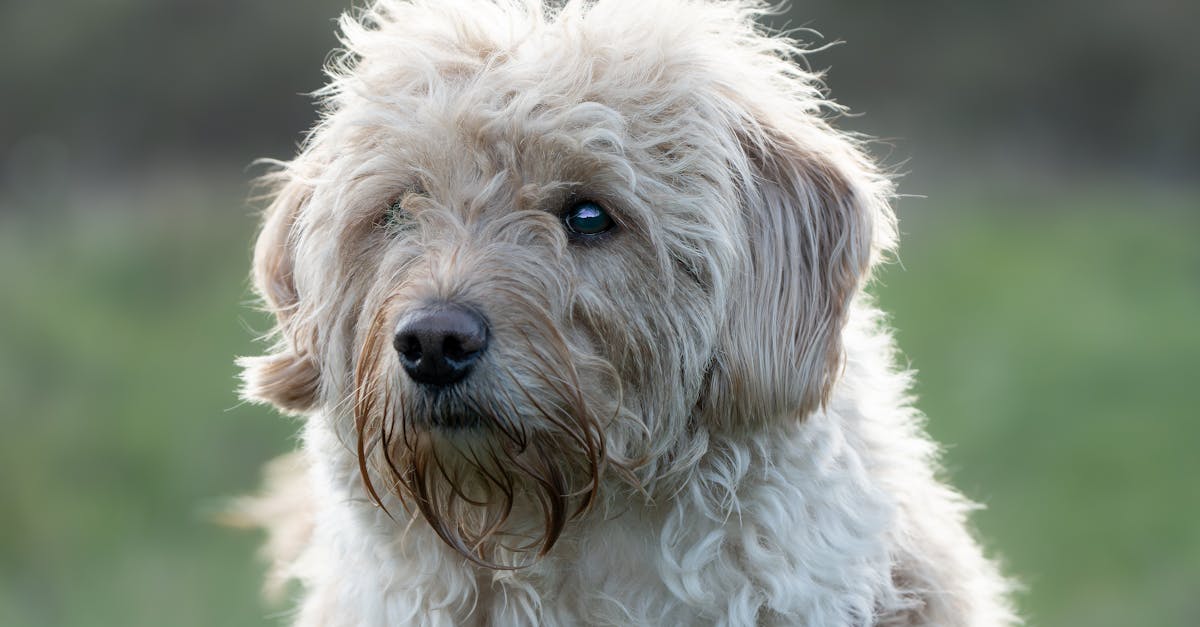
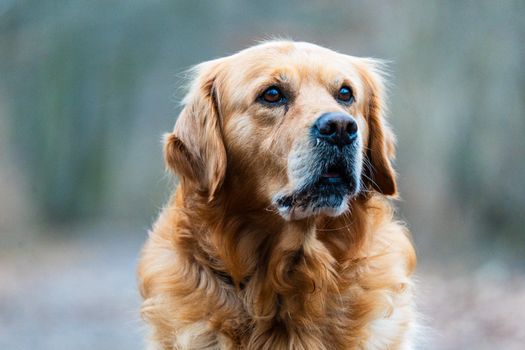
Photo by Karl Byron on Pexels
Quick facts: Labradoodle
- Size
- Large
- Weight
- 22.7–29.5 kg
- Origin
- Australia
- Life span
- 12–14 years
- Temperament
- Friendly, energetic, intuitive, sociable
- Energy level
- High
- Grooming needs
- High
- Trainability
- Very‑low
- Apartment fit
- Medium
- Typical annual cost
- ~$2,700
Is the Labradoodle right for you?
Best for
- Active families with children
- Allergy-conscious households seeking lower-shedding options
- Those wanting a highly trainable, people-oriented dog
- Owners with space and time for daily exercise
Not ideal if
- Those expecting guaranteed hypoallergenic coat (coat type varies)
- Apartment living without reliable outdoor exercise access
- Owners away for most of the day
- Those wanting an AKC-registered, breed-standard dog
A friendly, highly trainable family dog — but Labradoodle is not AKC recognised and traits vary widely by generation and breeder.
Trait snapshot
What owners actually say
Labradoodle owners are enthusiastic about the temperament but advise researching coat type carefully — shedding and health outcomes vary more than the marketing suggests.
- Shedding
Coat type in Labradoodles varies widely — from fleece coats that shed minimally to flat coats that shed as much as a Labrador. No Labradoodle coat is guaranteed hypoallergenic. Allergy sufferers should spend time with the specific dog before committing, not assume low-shedding based on the breed name.
- Grooming
Regardless of coat type, Labradoodles require professional grooming every 6–8 weeks to prevent matting. Fleece and wool coats require more frequent brushing between appointments. Owners who weren't expecting this cost describe it as a significant surprise.
- General
The temperament and health of a Labradoodle varies between generations (F1, F1B, multigenerational) and between individual breeders. Meeting the specific puppy, visiting the breeder, and asking about health testing on both parent lines gives much more reliable information than generalising from the breed name.
- Training
The Lab and Poodle combination produces a highly trainable, people-focused dog. Most Labradoodles learn commands quickly and enjoy training sessions. Their eagerness to please and food motivation makes them rewarding to work with.
- Health reality
Health testing is important for Labradoodles. Both parent breeds carry risks for hip dysplasia, elbow dysplasia, and Progressive Retinal Atrophy. Reputable breeders provide health clearances from both parents — ask for OFA hip and eye certifications before purchasing.
- General
When exercise needs are met, Labradoodles are enthusiastic, social family dogs that adapt well to active households with children and other pets. Their friendly, non-territorial temperament is consistently one of the most-cited reasons owners choose the breed.
Editorial summary. Phase 3 will add structured owner survey data.
Cost snapshot
Range $1,700–$4,500
Range $2,800–$9,000
After first year
Annual breakdown
Assumptions used:
- Large breed food (similar to Labrador or Standard Poodle)
- Professional grooming every 6-8 weeks (coat requires regular maintenance)
- Health testing of both parent breeds is important — purchase price often higher than purebreds
Last reviewed: 2026-06-20
Read full methodology →Health watchlist
Health information is educational only. Always consult your veterinarian.
Hip and elbow dysplasia
Inherited from both parent breeds. Ask breeders for OFA health clearances for both parent dogs. Consult your vet for guidance specific to your dog.
Progressive Retinal Atrophy (PRA)
Can be inherited from both Labrador and Poodle parent lines. Reputable breeders DNA-test both parents. Consult your vet for guidance specific to your dog.
Coat and grooming variability
Labradoodle coat type varies significantly between puppies — from wavy to tight curl. Some individuals shed more than expected. This is not a health risk but has significant lifestyle implications. Consult your vet for guidance specific to your dog.
Ear infections
Floppy ears and curly coats create conditions for ear infections. Regular cleaning is essential. Consult your vet for guidance specific to your dog.
Addison's disease
Can be inherited from the Poodle side. Watch for lethargy, vomiting, or weakness. Consult your vet for guidance specific to your dog.
Check your fit
Answer a few questions to see how a Labradoodle fits your household.
Frequently asked questions
Is the Labradoodle a recognised breed?
Are Labradoodles hypoallergenic?
Are Labradoodles good family dogs?
How much exercise does a Labradoodle need?
How much does it cost to own a Labradoodle?
What health problems are Labradoodles prone to?
How much grooming does a Labradoodle need?
Are Labradoodles easy to train?
Are Labradoodles good apartment dogs?
Are Labradoodles good for first-time owners?
Tools for Labradoodle owners
Similar breeds to the Labradoodle
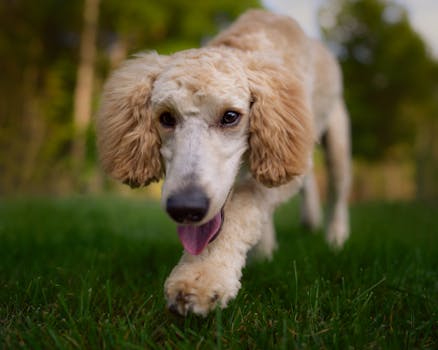
Intelligent water retriever with a hypoallergenic coat; excels in training and varied dog sports.
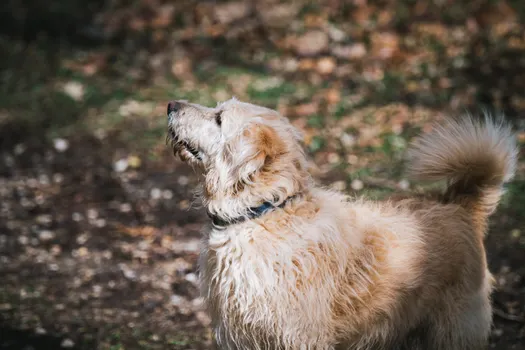
Elegant ancient sighthound with a dramatic coat, independent mind, sensitive loyalty, and serious grooming commitment.
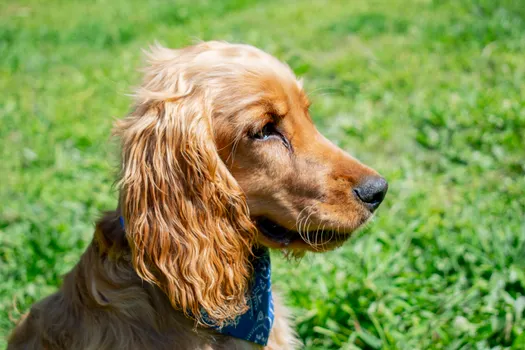
Merry, compact sporting spaniel; affectionate and versatile, with silky coat care and meaningful exercise needs.
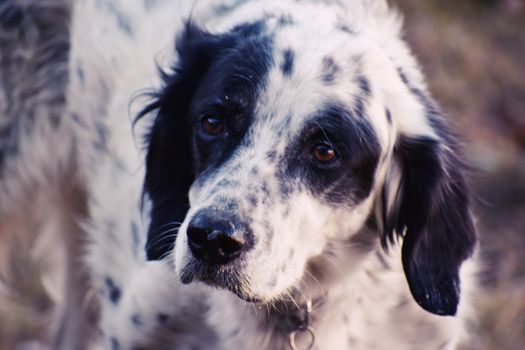
Elegant, gentle sporting dog with distinctive speckled coat; energetic and affectionate but requires significant daily exercise and regular coat maintenance.
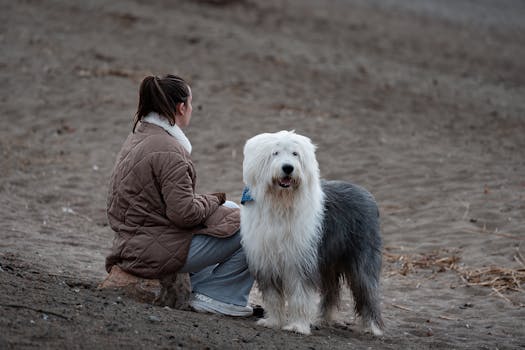
Large, shaggy herding breed known for its distinctive bobtail, playful temperament, and very high grooming demands.
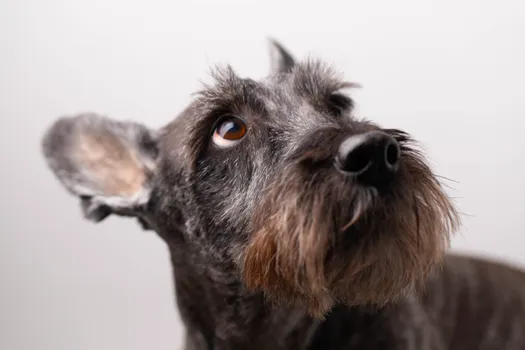
Original medium-sized German schnauzer: bearded, sporty, watchful, clever, and more intense than many first-time owners expect.
Compare & learn more
Head-to-head comparisons

What type of dog personality fits your home best?
Help improve PupWiki with one quick anonymous answer.
Find my breed match →