
Old English Sheepdog
Large, shaggy herding breed known for its distinctive bobtail, playful temperament, and very high grooming demands.
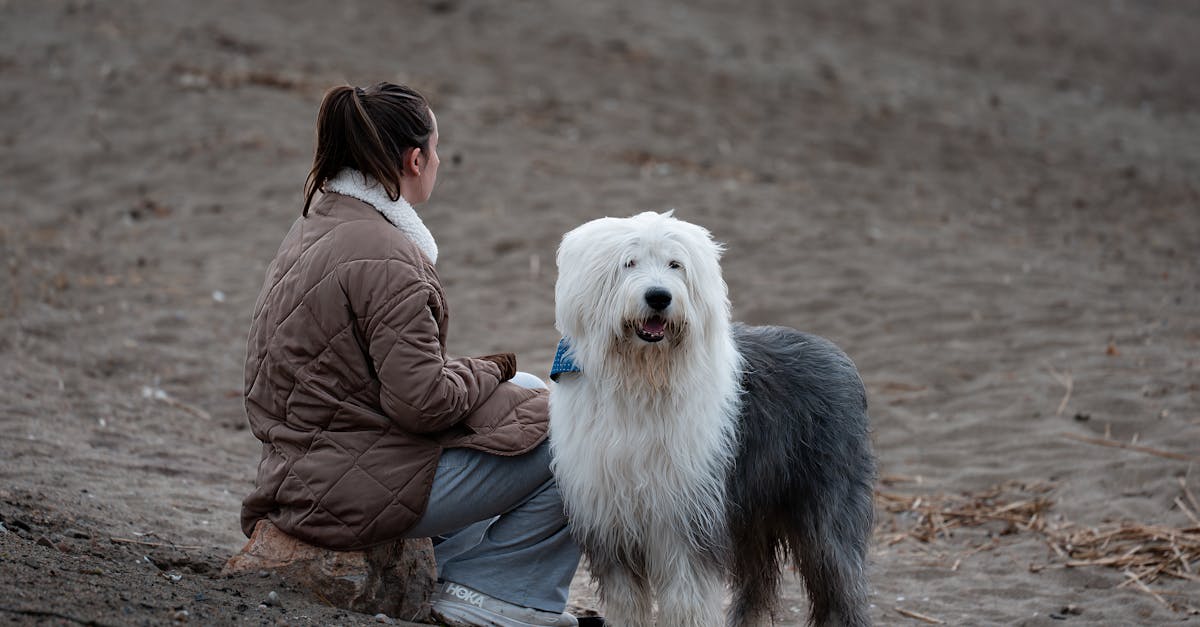
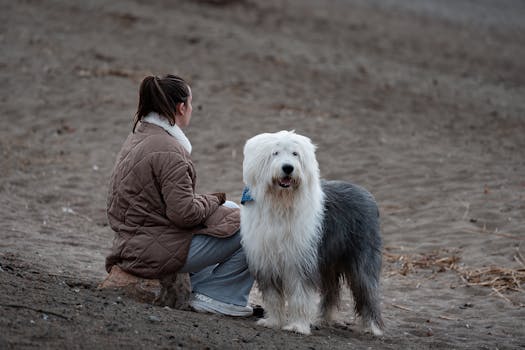
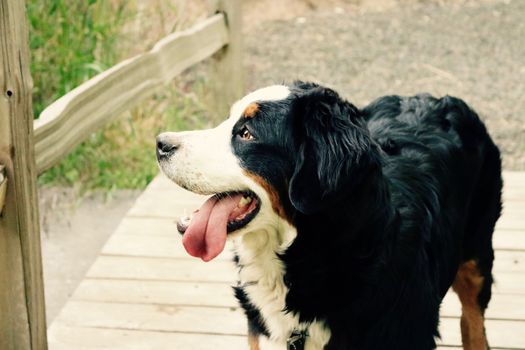
Photo by David Kanigan on Pexels
Quick facts: Old English Sheepdog
- Size
- Large
- Weight
- 27.2–45.4 kg
- Origin
- England
- Life span
- 10–12 years
- Temperament
- Playful, gentle, intelligent, adaptable
- Energy level
- High
- Grooming needs
- Very‑high
- Trainability
- Medium
- Apartment fit
- Low
- Typical annual cost
- ~$2,700
Is the Old English Sheepdog right for you?
Best for
- Families who enjoy grooming or can afford regular professional visits ($120-200/session)
- Homes with yard space and active children
- Owners who work from home or have flexible schedules
Not ideal if
- Owners unwilling to commit to daily grooming and 6-8 week professional appointments
- Hot climates (thick double coat creates significant heat risk)
- Apartment dwellers or inactive households
An affectionate, playful family dog for those with space, time, and budget for exceptional grooming commitment.
Trait snapshot
Old English Sheepdog is part of the Herding Group — see group tendencies →
What owners actually say
Old English Sheepdog owners describe one of the most affectionate and entertaining breeds — and are unanimous that the grooming commitment is transformative and must be fully understood before ownership.
- Grooming
The grooming requirement is in a different category from most breeds. Owners describe weekly brushing sessions of 1–2 hours to prevent matting, professional grooming every 6–8 weeks, and the inevitable decision about whether to keep the full coat or clip it short. Many owners opt for a shorter clip for practicality. Those who keep the full coat describe it as a significant lifestyle commitment.
- General
Exceptionally affectionate and people-oriented. Owners consistently describe a dog that wants to be in the centre of family life at all times. The breed is not suited to owners who want an independent dog — it actively seeks proximity and interaction.
- General
Excellent with children. The breed's patient, gentle, and playful temperament makes it one of the most consistently described family dogs. Owners with young children describe a dog that tolerates rough handling and is genuinely gentle in return.
- Grooming
The coat picks up significant debris, mud, and water. Owners in rural areas or those who exercise in parks describe the post-walk grooming requirement as a major time investment. The beard and paws track dirt effectively into the home.
- Health reality
Progressive Retinal Atrophy (PRA) is a genuine concern in the breed. Owners who researched before buying describe asking for CAER eye certifications as standard. Those who did not describe discovering the hereditary risk only after ownership.
Editorial summary. Phase 3 will add structured owner survey data.
Cost snapshot
Range $1,700–$4,500
Range $2,800–$9,000
After first year
Annual breakdown
Assumptions used:
- Very high grooming costs ($120-200 every 6-8 weeks or daily DIY commitment)
- Large-breed food costs
- Consider a shorter coat clip style to reduce the ongoing maintenance burden
Last reviewed: 2026-06-20
Read full methodology →Health watchlist
Health information is educational only. Always consult your veterinarian.
Hip dysplasia
Elevated incidence in the breed. Choose breeders who OFA-certify both parents. Managing weight and avoiding high-impact exercise in puppyhood supports long-term joint health. Consult your vet for guidance specific to your dog.
Progressive retinal atrophy (PRA)
Hereditary eye condition that can progress to blindness. CAER eye certification and prcd-PRA genetic testing of breeding dogs is strongly recommended. Ask breeders for documentation. Consult your vet for guidance specific to your dog.
Cerebellar ataxia
An OES-specific inherited neurological condition affecting coordination. A genetic test is available; responsible breeders screen breeding stock. Ask your breeder whether both parents have been tested. Consult your vet for guidance specific to your dog.
Deafness
Congenital deafness has been documented in the breed, particularly in dogs with excess white pigmentation. BAER testing of puppies can identify affected individuals. Consult your vet for guidance specific to your dog.
Check your fit
Answer a few questions to see how a Old English Sheepdog fits your household.
Frequently asked questions
How much grooming does an Old English Sheepdog need?
Do Old English Sheepdogs shed a lot?
How much exercise does an Old English Sheepdog need?
Are Old English Sheepdogs good with children?
How much does it cost to own a Old English Sheepdog?
What health problems are Old English Sheepdogs prone to?
Are Old English Sheepdogs easy to train?
Are Old English Sheepdogs good apartment dogs?
Are Old English Sheepdogs good for first-time owners?
How long do Old English Sheepdogs live?
Tools for Old English Sheepdog owners
Similar breeds to the Old English Sheepdog
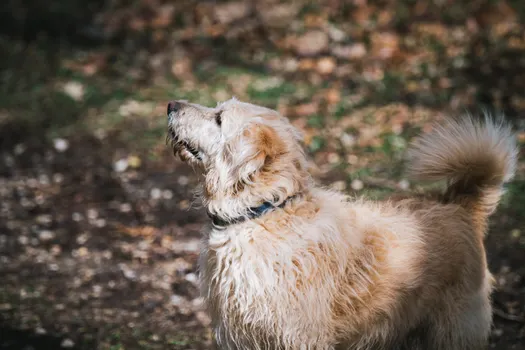
Elegant ancient sighthound with a dramatic coat, independent mind, sensitive loyalty, and serious grooming commitment.
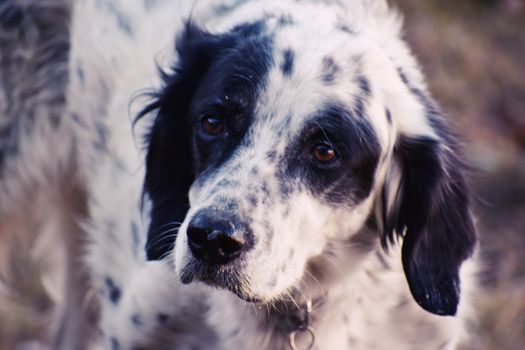
Elegant, gentle sporting dog with distinctive speckled coat; energetic and affectionate but requires significant daily exercise and regular coat maintenance.
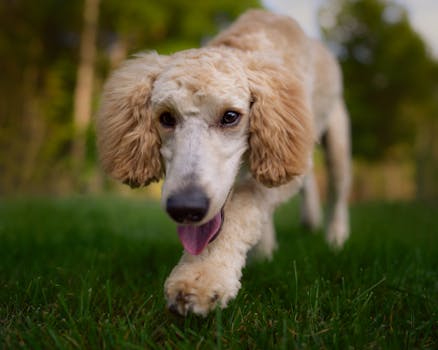
Intelligent water retriever with a hypoallergenic coat; excels in training and varied dog sports.
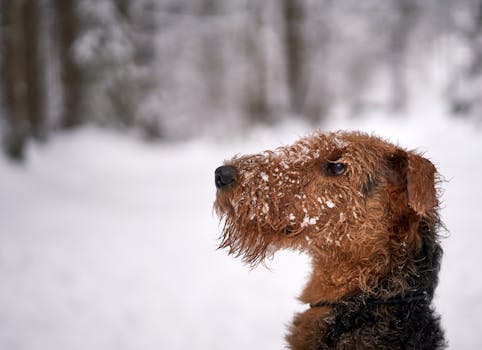
The largest of the terrier breeds; versatile working dog with keen intelligence, stubbornness, and an enthusiastic spirit.
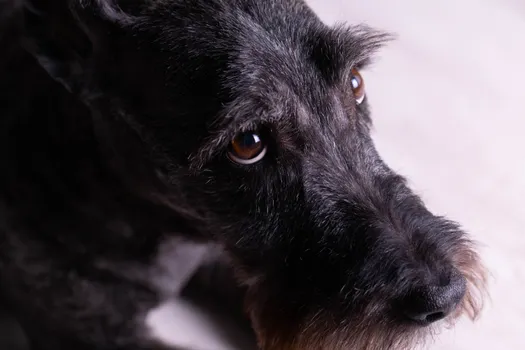
Powerful German working schnauzer: intelligent, loyal, protective, and demanding of structure, training, and serious daily work.
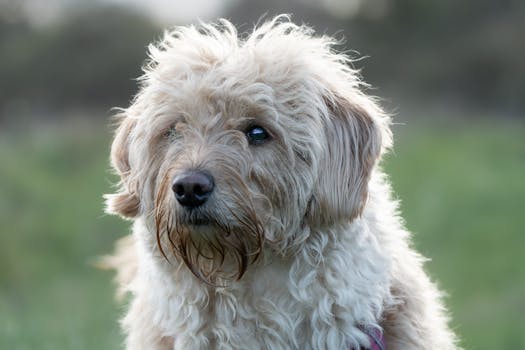
Popular Labrador-Poodle cross known for friendliness, trainability, and reduced shedding; note that Labradoodles are not AKC recognised and coat type varies significantly between individuals.
Compare & learn more
Head-to-head comparisons
How important is shedding when choosing a breed?
Help improve PupWiki with one quick anonymous answer.
Find my breed match →