
Afghan Hound
Elegant ancient sighthound with a dramatic coat, independent mind, sensitive loyalty, and serious grooming commitment.
Quick facts: Afghan Hound
- Size
- Large
- Weight
- 22.7–27.2 kg
- Origin
- Afghanistan
- Life span
- 12–18 years
- Temperament
- Aloof, dignified, loyal, sensitive, independent
- Energy level
- High
- Grooming needs
- Very‑high
- Trainability
- Very‑high
- Apartment fit
- Medium‑low
- Typical annual cost
- ~$3,100
Is the Afghan Hound right for you?
Best for
- Owners drawn to independent sighthounds rather than obedience-focused breeds
- Homes with secure fenced exercise opportunities
- People who can commit to extensive coat care or professional grooming
- Calm households that value sensitivity and dignity over constant sociability
Not ideal if
- You want reliable off-leash recall in open areas
- You want a low-grooming dog
- You expect fast, repetitive obedience training
- You have rough play environments that could stress a sensitive dog
A breathtaking but demanding sighthound for patient owners who can manage grooming, recall limits, and emotional sensitivity.
Trait snapshot
Afghan Hound is part of the Hound Group — see group tendencies →
What owners actually say
Afghan Hound owners love the beauty and loyalty, but grooming, independence, prey drive, and sensitivity make this a specialist breed.
- Grooming
The coat is the defining practical reality. Owners either build grooming into weekly life or pay professionals. Skipping it quickly becomes a welfare issue.
- Training
They are intelligent but not obedience-driven. Owners succeed when they stop expecting retriever-style compliance.
- Energy
Indoors many are elegant and calm, but they still need safe chances to run and stretch in secure areas.
- Apartment life
Apartment life can work for dedicated owners, but only with coat care, exercise access, and a low-stress environment.
- General
Owners describe them as aloof with strangers but deeply loyal and sensitive with their chosen people.
- Health reality
The surprise is often less disease-specific and more management-specific: mats, injuries from chasing, bloat awareness, and lameness cannot be ignored.
Editorial summary based on owner accounts and breed community feedback. Phase 3 can replace or enrich this with structured PupWiki owner survey data.
Cost snapshot
Range $1,600–$6,200
Range $3,000–$10,500
After first year
Annual breakdown
Assumptions used:
- Medium-large food volume
- Very high grooming time or professional grooming cost
- Secure exercise areas and training support may add cost
- Sighthound-sensitive handling and preventive care expected
Last reviewed: 2026-07-02
Read full methodology →Health watchlist
Health information is educational only. Always consult your veterinarian.
Coat matting and skin issues
The long coat can mat quickly and hide skin irritation or parasites. Regular line brushing, bathing, drying, and professional help may be needed.
Hip and orthopedic health
Active large sighthounds benefit from lean weight, sensible conditioning, and breeder screening. Persistent lameness should be evaluated.
Bloat/GDV awareness
Deep-bodied breeds may be vulnerable to bloat. Know emergency signs and discuss feeding routines and preventive options with your veterinarian.
Escape and chase risk
Sighthounds can accelerate quickly after moving objects and may not recall reliably. Secure fencing, leash habits, and ID routines are essential.
Check your fit
Answer a few questions to see how a Afghan Hound fits your household.
Frequently asked questions
Are Afghan Hounds good family dogs?
Are Afghan Hounds easy to train?
How much grooming does an Afghan Hound need?
Can Afghan Hounds be off leash?
Are Afghan Hounds good apartment dogs?
Do Afghan Hounds bark a lot?
What health issues should Afghan Hound owners watch for?
Tools for Afghan Hound owners
Similar breeds to the Afghan Hound
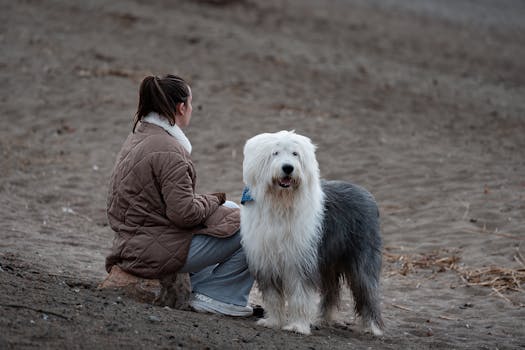
Large, shaggy herding breed known for its distinctive bobtail, playful temperament, and very high grooming demands.
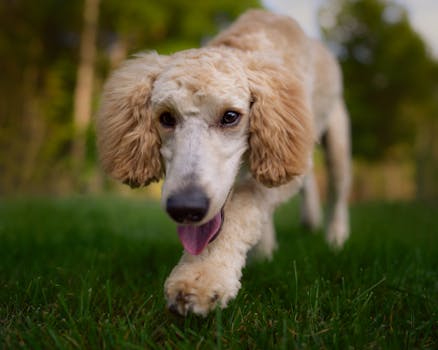
Intelligent water retriever with a hypoallergenic coat; excels in training and varied dog sports.
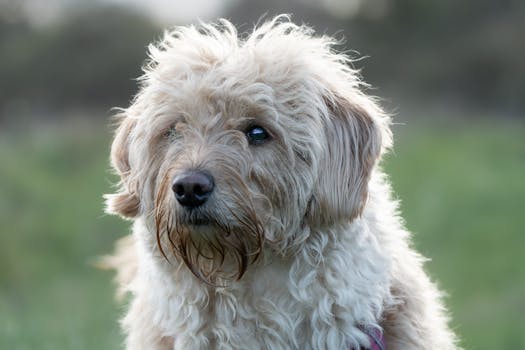
Popular Labrador-Poodle cross known for friendliness, trainability, and reduced shedding; note that Labradoodles are not AKC recognised and coat type varies significantly between individuals.
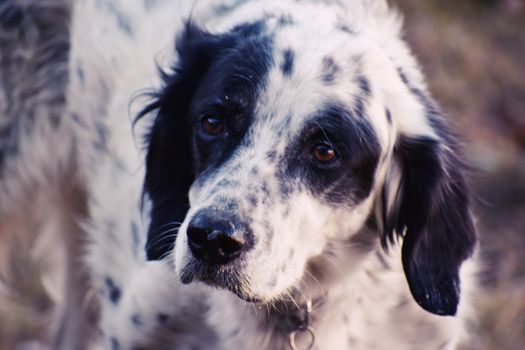
Elegant, gentle sporting dog with distinctive speckled coat; energetic and affectionate but requires significant daily exercise and regular coat maintenance.
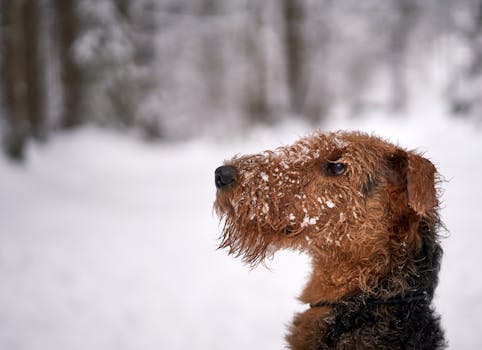
The largest of the terrier breeds; versatile working dog with keen intelligence, stubbornness, and an enthusiastic spirit.
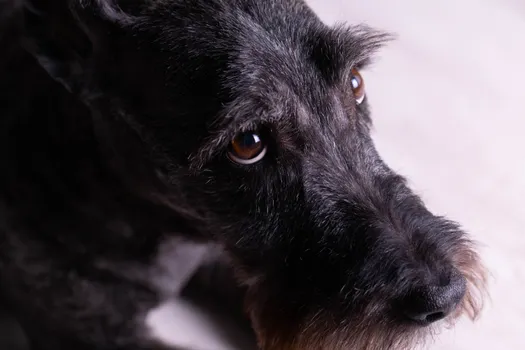
Powerful German working schnauzer: intelligent, loyal, protective, and demanding of structure, training, and serious daily work.
Compare & learn more
Where are you in your breed decision?
Help improve PupWiki with one quick anonymous answer.
Compare breeds →