

Dog Care & Grooming Hub: build a routine that fits your dog
Good daily care prevents expensive problems later. From grooming frequency and dental hygiene to recognising skin issues and knowing basic first aid, this hub helps you build a care routine matched to your dog's breed, coat type, age, and health needs. For urgent symptoms, always contact a veterinarian or emergency animal hospital.
Source-backed, educational content. No sponsored rankings. Always consult a professional for medical, behavioural, or financial advice.
Build your dog's care routine
Care and health tools
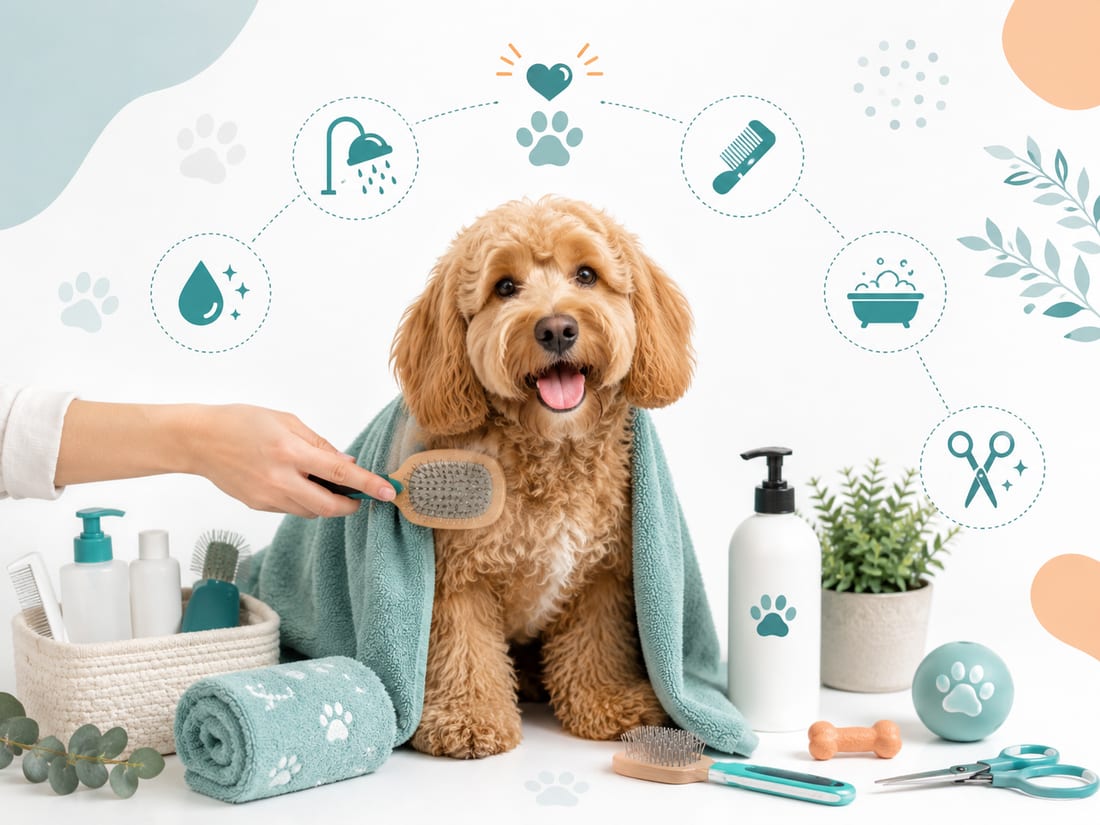
Get a personalised grooming schedule — bath frequency, brushing routine, nail trims, ear checks, and coat-type care steps based on your dog's breed and coat.
Generate grooming schedule
Check whether a human food is safe, toxic, or dangerous for your dog. Search 138 foods with veterinary-sourced safety ratings, toxic dose calculations, symptom lists, emergency actions, and safe serving guidance.
Check food safety
Enter your dog's weight, body condition score, and activity level — get an ideal weight estimate, BCS interpretation, daily energy needs, and safe weight-loss guidance based on published veterinary guidelines.
Check my dog's weightCare guides by topic
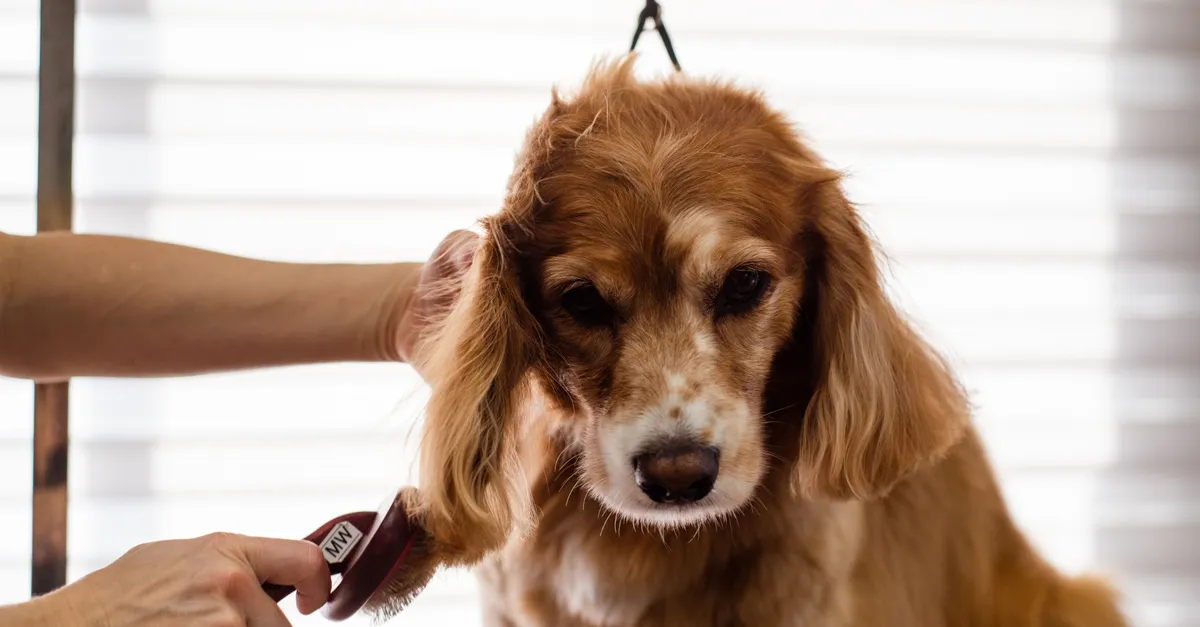
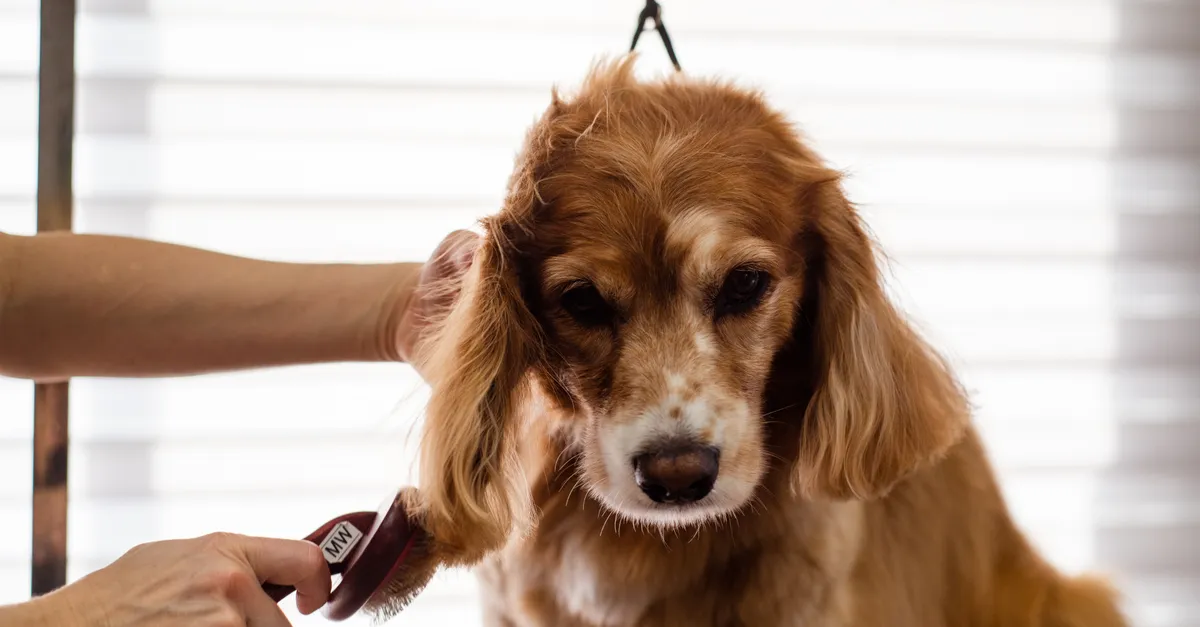
Grooming routines
Health watch


Grooming and care products
Explore related topics




Frequently asked questions
- How often should I groom my dog?
- Grooming frequency depends on coat type. Short-coated breeds (Beagles, Boxers) need brushing once a week and bathing every 6-8 weeks. Double-coated breeds (Huskies, Golden Retrievers) need brushing 2-3 times per week, more during shedding season. Curly/wavy coats (Poodles, Doodles) need brushing every 1-2 days and professional grooming every 4-6 weeks. The Grooming Schedule Generator creates a personalised routine.
- How often should I brush my dog's teeth?
- Daily brushing is ideal and is recommended by veterinary dental associations. If daily is not feasible, aim for at least 3 times per week. Use a dog-specific toothpaste (never human toothpaste which contains xylitol). Dental disease affects over 80% of dogs by age 3 and can lead to pain, tooth loss, and organ damage from bacterial spread.
- What should be in a dog first aid kit?
- A basic dog first aid kit should include: gauze pads and rolls, adhesive tape, blunt-ended scissors, tweezers, digital thermometer, saline eye wash, hydrogen peroxide 3% (for vet-directed vomiting only), styptic powder (for nail bleeding), emergency vet contact numbers, and a muzzle (injured dogs may bite). Keep it accessible and check expiry dates every 6 months.
- When should I see a vet for skin problems?
- See a vet if your dog has persistent itching lasting more than a few days, hair loss patches, red or inflamed skin, recurring ear infections, open sores or hot spots, lumps or bumps that change size, or any skin condition combined with lethargy or appetite loss. Many skin conditions require professional diagnosis (scraping, culture, or allergy testing) before effective treatment is possible.
- How do I trim my dog's nails safely?
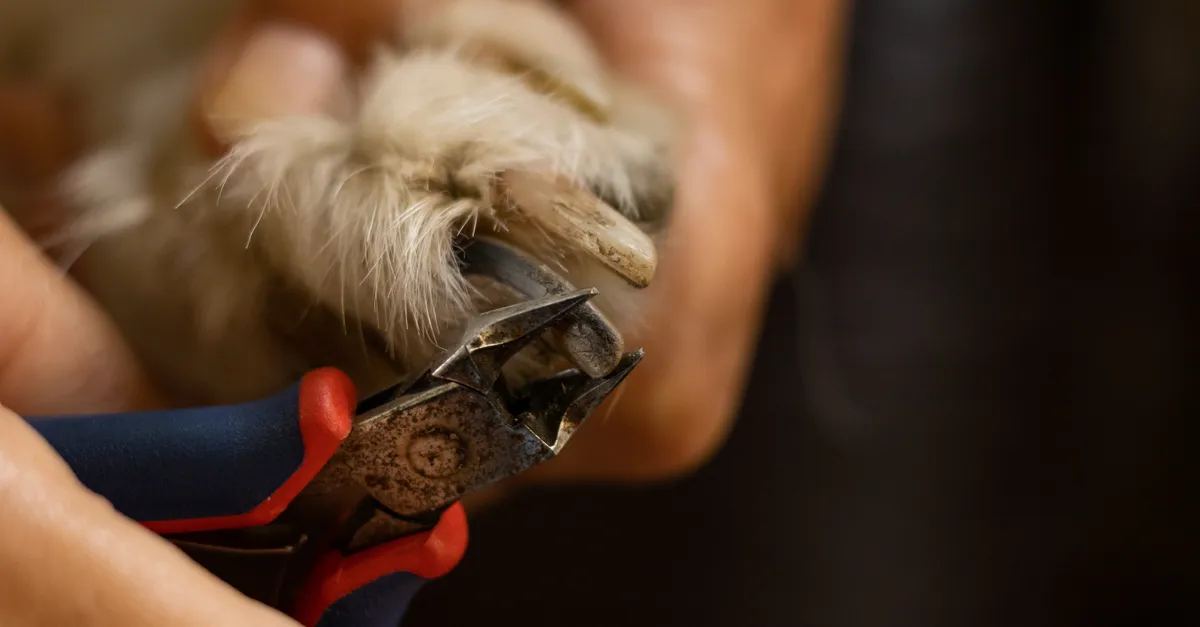
- Use sharp, appropriately sized clippers or a nail grinder. Trim small amounts at a time, staying well clear of the quick (the pink blood vessel inside the nail). For dark nails, look for a chalky white ring when cutting cross-sections. Trim every 2-4 weeks or when nails touch the ground during standing. If you cut the quick, apply styptic powder and reassure your dog calmly.
What grooming cost feels hardest to estimate?
Help improve PupWiki with one quick anonymous answer.
Plan grooming routine →