

Senior Dog Hub: care, comfort, and health planning for older dogs
As dogs age, their needs change. Joints stiffen, metabolism slows, dental issues accumulate, and regular vet checks become more important. This hub brings together the tools and guides that help you keep your senior dog comfortable, healthy, and well-cared-for through their later years. All health content is educational only and should not replace veterinary advice.
Source-backed, educational content. No sponsored rankings. Always consult a professional for medical, behavioural, or financial advice.
When is a dog considered senior?
There is no single age at which every dog becomes "senior" — it depends primarily on size. Larger breeds age faster and reach senior status earlier than small breeds.
Once your dog reaches senior age, veterinary visits should increase to every 6 months (rather than annually) to catch age-related conditions early.
What's changing?
Senior dog tools

Enter your dog's weight, body condition score, and activity level — get an ideal weight estimate, BCS interpretation, daily energy needs, and safe weight-loss guidance based on published veterinary guidelines.
Check my dog's weight
Estimate dog calories, portions, meal frequency, label quality, and nutrition red flags using age, weight, body condition, activity, and food-label details.
Check my dog's food
Estimate monthly pet insurance premiums by breed, age, location, deductible, and coverage level — with common exclusions explained.
Estimate insurance cost
Estimate first-year, annual, and lifetime dog ownership costs by breed, state, size, lifestyle, grooming, training, insurance, and vet-care assumptions.
Calculate costs
Get a personalised grooming schedule — bath frequency, brushing routine, nail trims, ear checks, and coat-type care steps based on your dog's breed and coat.
Generate grooming scheduleSenior dog guides
Senior care essentials

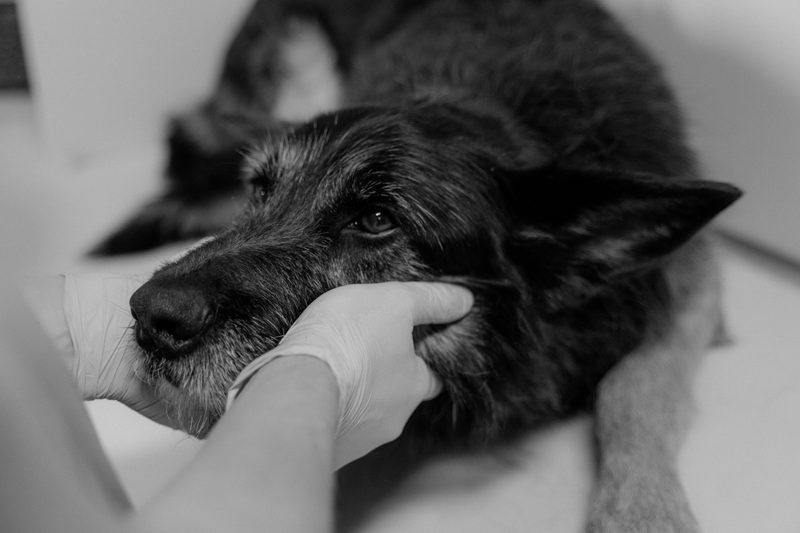
Mobility and activity


Nutrition and weight

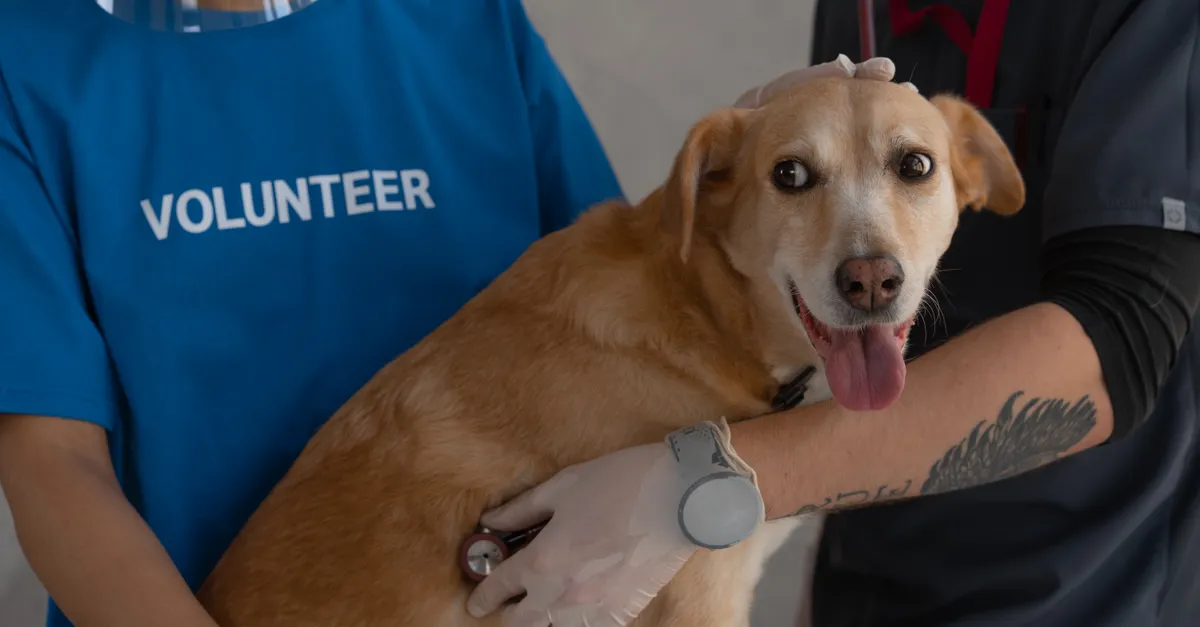


Daily care




Products for senior dogs
Explore related topics




Frequently asked questions
- When is a dog considered senior?
- Senior age varies by size. Small breeds (under 10 kg) are generally considered senior around 10-12 years. Medium breeds (10-25 kg) around 8-10 years. Large breeds (25-40 kg) around 7-8 years. Giant breeds (over 40 kg) may be senior as early as 5-6 years. The transition is gradual, and your vet can help determine when to shift to senior-focused care based on your individual dog.
- How often should senior dogs see the vet?
- Senior dogs should see a vet every 6 months rather than annually. Semi-annual visits allow earlier detection of common age-related conditions including arthritis, kidney disease, dental disease, thyroid issues, and cancer. Blood work, urinalysis, and dental assessment should be part of routine senior wellness checks. Report any changes in appetite, mobility, or behaviour between visits.
- What should I feed a senior dog?
- Senior dogs typically need fewer calories (metabolism slows 20-30%) but maintained or slightly increased protein to preserve muscle mass. Look for senior-formulated foods with joint-support ingredients (glucosamine, omega-3s), moderate fat, and high digestibility. Adjust portions based on body condition score, not just age. The Food Calculator accounts for senior metabolic factors. Always transition foods gradually over 7-10 days.
- How can I support an older dog's mobility?
- Support mobility with: raised food bowls, ramps for furniture and cars, non-slip mats on hard floors, an orthopaedic bed, gentle daily exercise (short walks, swimming if possible), weight management (excess weight worsens joint pain), and vet-discussed joint supplements or pain management. Avoid high-impact activities like jumping or rough play. Physiotherapy and hydrotherapy can also help.
- Is pet insurance worth it for senior dogs?
- Insurance for senior dogs costs significantly more (2-4x the premium of a young dog) and often excludes pre-existing conditions. If you insured your dog young, continuing the policy is usually worthwhile as claims increase with age. Starting insurance at senior age may not be cost-effective unless you choose a high-deductible plan for catastrophic coverage. The Insurance Cost Estimator shows age-adjusted premiums.
Which safety tool would you use first?
Educational quick question. Results are reviewed before publication and never replace veterinary advice.
Directional PupWiki community poll. Not scientific survey data.
Prepare an emergency card →