
Make better dog decisions — from breed fit to daily care.
Free decision tools, cost models, and source-backed guides for every stage of dog ownership. Every score shows its data. No sponsored rankings.
What are you trying to figure out today?
Start with the situation that fits you best.
Which dog is right for me?
Match your lifestyle to the right breed with data, not marketing.
How do I prepare for a puppy?
Vaccination schedule, socialisation windows, supplies, and costs month by month.
What will it actually cost?
Breed-specific annual estimates with assumptions you can see and adjust.
How do two breeds compare?
Side-by-side traits, costs, health risks, and lifestyle fit scoring.
How do I train my dog?
Reward-based plans built around your dog's age, breed, and specific issues.
Am I feeding my dog right?
Calorie targets, portion sizes, and label checking for your dog's profile.
What does my dog need day to day?
Grooming schedules, weight checks, food safety, and behaviour guidance.
How do I care for an older dog?
Adjusting nutrition, exercise, and vet visits as your dog ages.
Why trust PupWiki

Decision tools
Each tool solves a distinct dog-owner question. Use alone or together.








Breed research
Decision dashboards, not encyclopedias. 100 breeds profiled with traits, costs, health watches, and fit scoring.




Find dog services near you
Browse 27,063 verified listings across 12,356 cities in 4 categories. Addresses, phone numbers, and hours sourced from public data.


Explore by breed group
Every breed belongs to one of 7 AKC groups, each bred for a different purpose. Start from a group to find breeds that share your priorities.

Sporting Group
Sporting dogs are the cooperative field-and-water specialists of the dog world. They tend to be people-oriented, energetic and highly trainable when their exercise, recall and impulse-control needs are met.
33 breeds →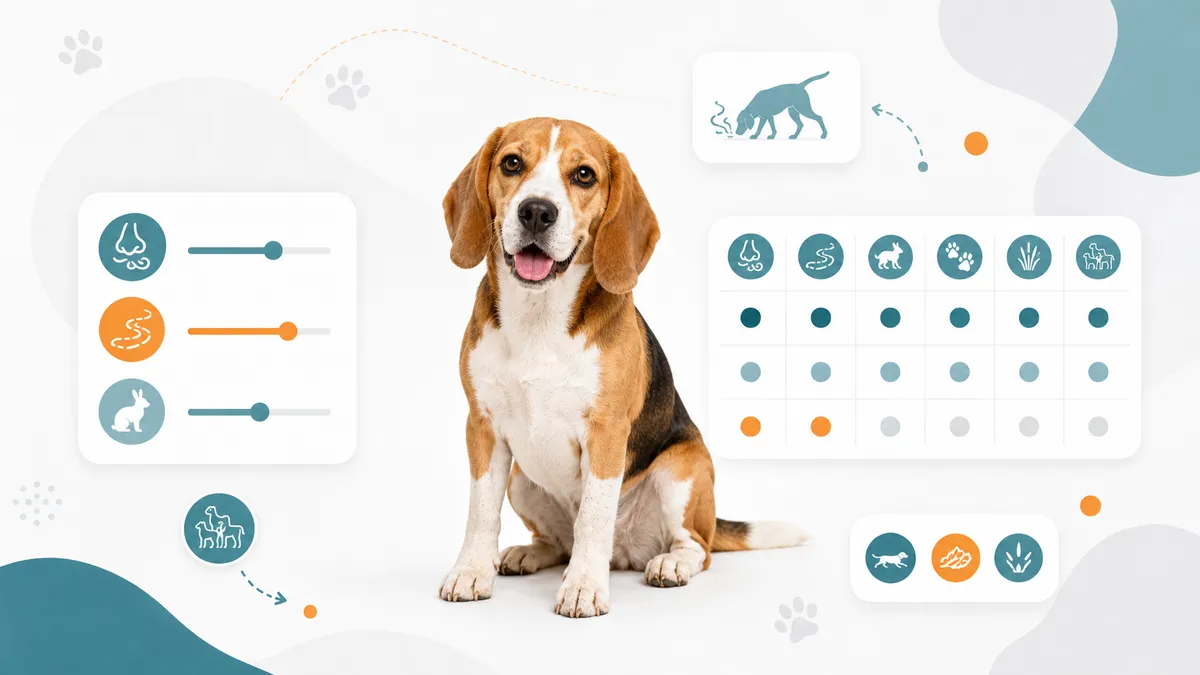
Hound Group
Hounds are pursuit specialists. Some live through their noses, some chase by sight and speed, and some combine endurance with strong independence. The best owner fit depends heavily on whether the dog is a scent hound, sighthound or Dachshund-type hunter.
33 breeds →
Working Group
Working dogs are built for serious jobs. Many are large, strong, confident and protective, which makes early socialization, good handling and realistic cost planning especially important.
32 breeds →
Terrier Group
Terriers are compact intensity: bold, fast, often prey-driven and highly entertaining. They can be brilliant companions when their chase, digging, reactivity and grooming needs are handled honestly.
32 breeds →
Toy Group
Toy dogs are companion specialists, not accessories. Their size can make them apartment-friendly, but many still need training, socialization, dental care and coat maintenance.
22 breeds →
Non-Sporting Group
Non-Sporting is the most mixed AKC group. It should be treated as a set of subtypes—companion, utility, primitive/spitz-like, brachycephalic, poodle-type and rare heritage breeds—rather than one temperament bucket.
20 breeds →
Herding Group
Herding dogs are often intelligent and responsive, but smart does not mean easy. Many need structured mental work, movement-control training and an off-switch routine as much as physical exercise.
33 breeds →Popular comparisons
Trait tables, annual cost side-by-side, health watch flags, and data-driven FAQs — one page per pair.
Explore by what you're deciding
PupWiki is organised around 6 decision journeys. Every tool, guide, and breed dashboard maps to one.
Choosing & Breed Fit
Find the breed that fits your home, lifestyle, and budget — then compare side by side.
Cost & Insurance
Understand what a dog will actually cost and whether pet insurance makes sense for your breed.
Puppy & New Owner
Everything you need to bring home a puppy and navigate the first year with confidence.
Nutrition & Weight
Make sure your dog is eating the right amount and maintaining a healthy weight.
Training & Behaviour
Build good habits and address problem behaviours with plan-driven, reward-based tools.
Grooming & Home Care
Keep your dog's coat, teeth, and skin healthy with a routine that fits their breed.
Senior Dog Care
Help your aging dog stay comfortable, healthy, and happy through their senior years.
Owner guides
Source-backed answers to the decisions every dog owner faces — organized by topic so you can find what you need fast.












Built on data and transparency, not opinions
Every PupWiki tool, score, and recommendation is grounded in cited veterinary and breed-registry sources. Cost models show their assumptions. Breed rankings are computed from trait data. Nothing is influenced by advertisers, breeders, or sponsors.
- 68 cited authoritative sources
- Transparent cost model assumptions
- No sponsored breed rankings
- Health tools always route to a vet
- Regular review cadence for all content
- Limitations disclosed on every page
Reviewed products from trusted partners
We review every partner and product before listing. Affiliate relationships never influence scores, rankings, or tool outputs.
Partner directory
Browse all reviewed partners with editorial assessments.
Browse partners →Current offers
Active deals and promotions from reviewed partners.
View offers →Product research
Search and filter products by category, partner, and price.
Explore products →PupWiki earns commission on qualifying purchases. This never affects breed scores, tool results, or editorial content. Full disclosure →
Frequently asked questions
Quick answers about how PupWiki works, what it costs, and what it isn't.
Is PupWiki free to use?
Yes. Every breed dashboard, comparison, guide, and tool — including the cost calculator, breed quiz, and training plan generator — is free. PupWiki is supported by display ads and affiliate links that never influence breed scores, tool outputs, or editorial content.
How accurate are the breed cost estimates?
Cost estimates come from a transparent model that shows its assumptions and a confidence range rather than a single number. Real costs vary by location, breed-specific health risks, and the choices you make — use the cost calculator for a breed- and tier-specific estimate, and the methodology page for the full model.
Are breed fit scores and rankings sponsored?
No. Fit scores, breed rankings, and comparison results are computed entirely from breed trait and cost data. They are never adjusted for breeders, insurers, retailers, or any other commercial relationship.
Does PupWiki sell dogs or connect me with breeders?
No. PupWiki does not sell dogs, list breeders, or broker adoptions. Our tools and guides are educational — for adoption, contact a local shelter or rescue; the responsible breeding guide explains what to look for in a reputable breeder.
Is PupWiki's health content a substitute for veterinary advice?
No. Health and behaviour content is educational only. Tools that touch on weight, nutrition, or training flag when a vet visit is appropriate, and any urgent-symptom guidance always points you to a veterinarian or emergency animal hospital.
How often is content reviewed and updated?
Cost model inputs are reviewed annually, breed trait data is reviewed whenever AKC/FCI standards or veterinary guidance change, and every page shows when it was last updated. See the methodology page for the full review cadence.
Ready to make the next dog decision?
Whether you are choosing a breed, planning costs, or figuring out daily care — start with a tool built for your situation.
What kind of PupWiki data would help most?
Help improve PupWiki with one quick anonymous answer.
Visit Research Hub →