
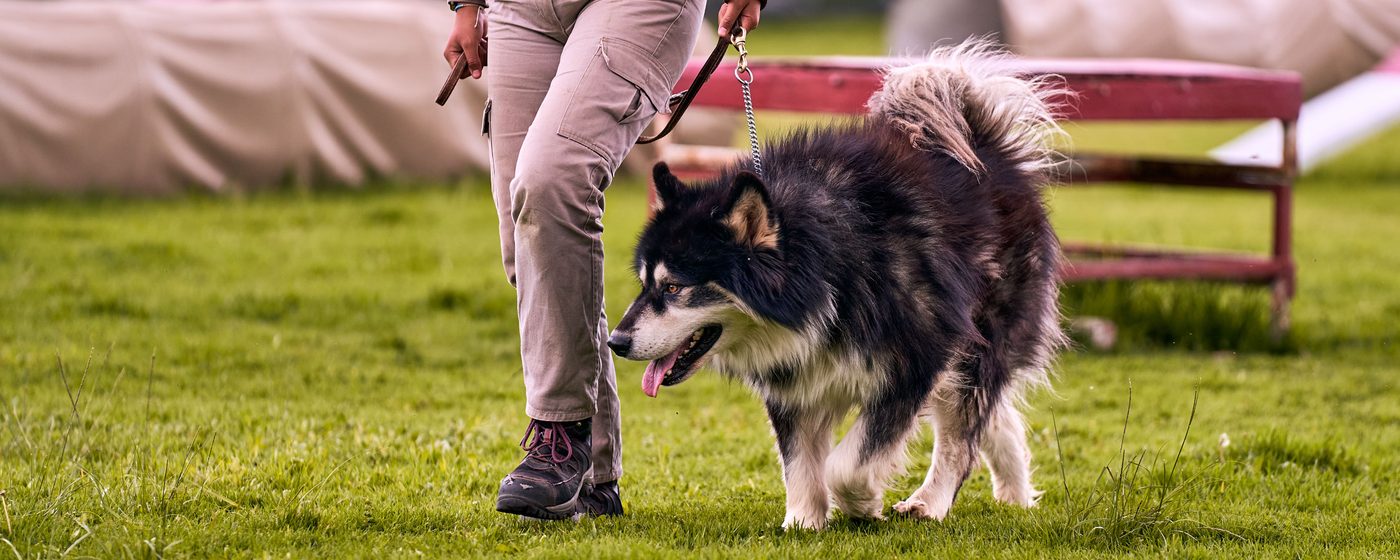
Dog Training & Behaviour Hub: build better habits safely
Every dog can learn, and every behaviour has a reason. Whether you are teaching basic cues, solving problem behaviours, or helping an anxious dog feel safer, this hub uses reward-based, force-free methods only. For serious aggression or self-harm, always work with a qualified professional.
Source-backed, educational content. No sponsored rankings. Always consult a professional for medical, behavioural, or financial advice.
What are you dealing with?
Training and behaviour tools
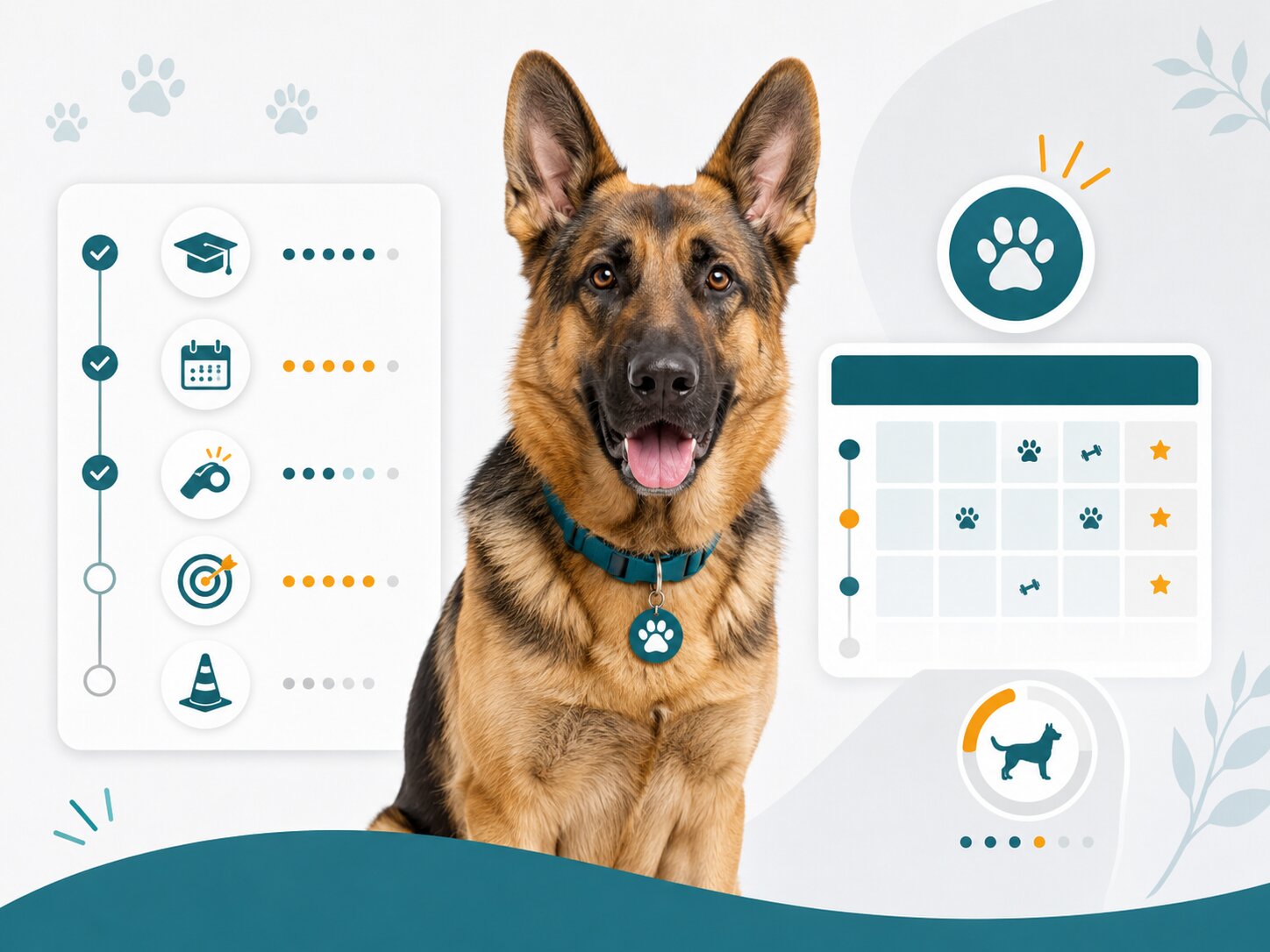
Build a humane, reward-based dog training plan with daily sessions, cue progressions, management rules, safety notes, and weekly goals.
Build my training plan
Understand why your dog does what it does. Search 40 common behaviours for urgency levels, possible causes, what you can do at home, and when to see a vet — all veterinary-sourced, reward-based guidance.
Check behaviour
Plan your puppy's first year — vet visits, vaccinations, socialisation milestones, training checkpoints, and monthly cost estimates.
Plan puppy's first yearTraining guides by level
Foundations
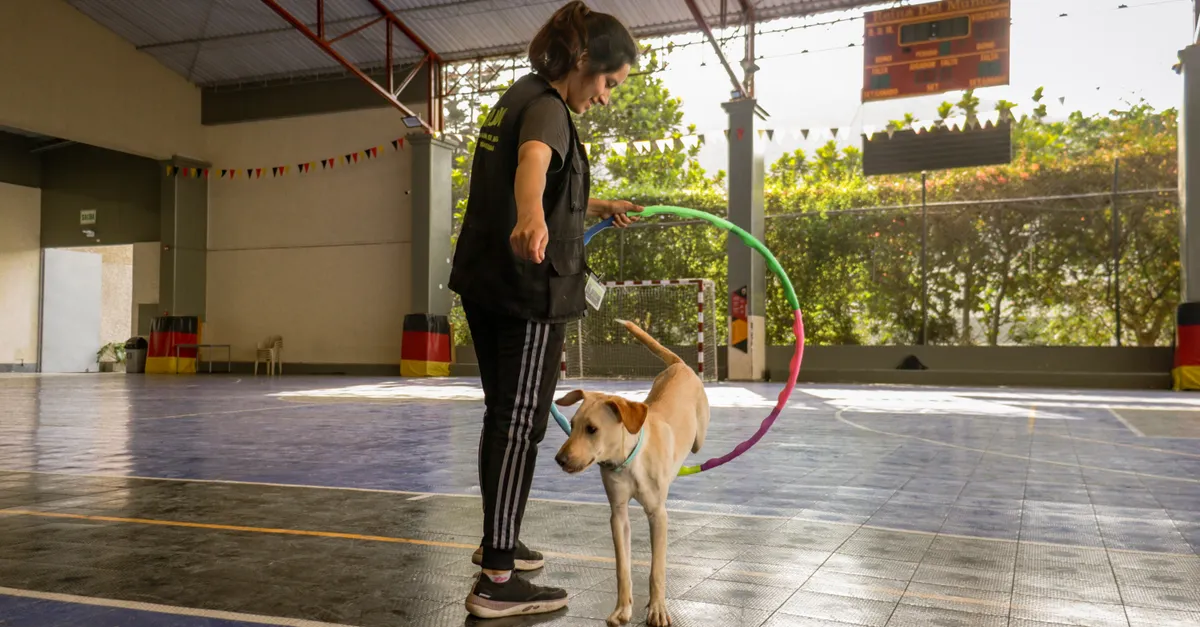

Problem solving


Training supplies
Explore related topics


Frequently asked questions
- How do I train my dog with positive reinforcement?
- Positive reinforcement means rewarding behaviours you want to see repeated. When your dog sits, comes when called, or settles calmly, immediately reward with a treat, praise, or play. Ignore or redirect unwanted behaviours rather than punishing them. Consistency, timing, and short sessions (5-10 minutes) are more effective than long repetitive drills.
- Why is my dog barking excessively?
- Dogs bark for many reasons: alert barking (something new), demand barking (wanting attention or food), anxiety barking (distress when alone), frustration barking (barrier, lead), or boredom. The first step is identifying the trigger. The Dog Behavior Checker can help classify the pattern. Solutions vary by cause but never include punishment-based bark collars.
- When should I get professional help for dog aggression?
- Seek professional help immediately if your dog has bitten or attempted to bite a person or animal, shows escalating warning signals (hard stare, lip lift, growl) toward family members, or guards resources aggressively. Look for a certified applied animal behaviourist (CAAB) or veterinary behaviourist (DACVB). Do not attempt to resolve serious aggression with internet guides alone.
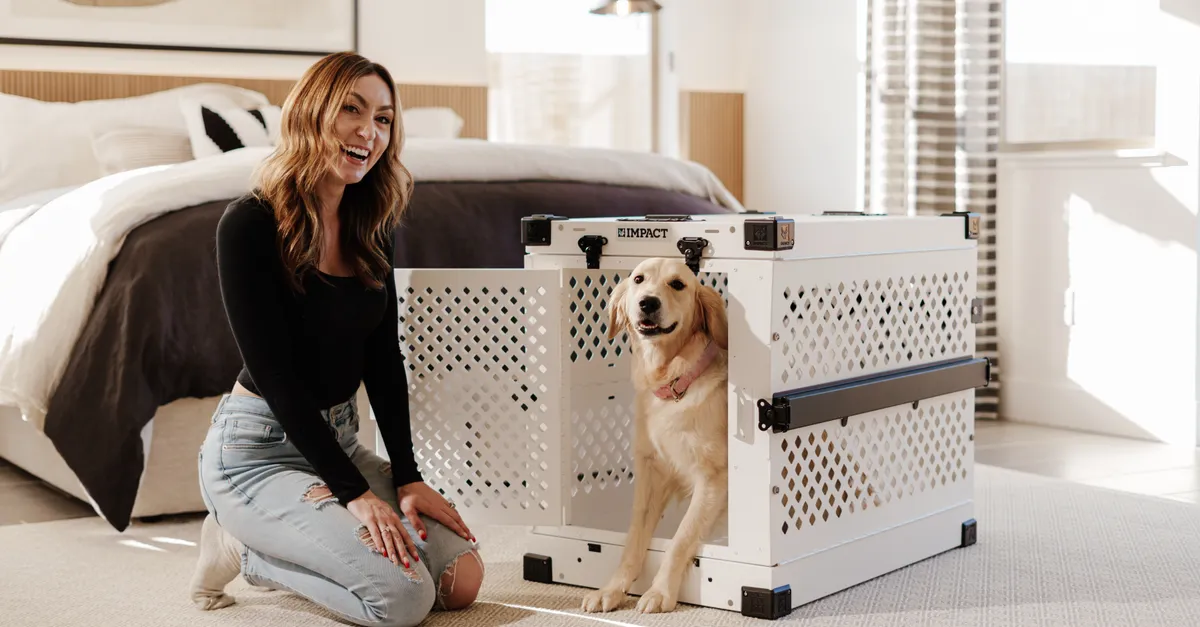
- How do I crate train a dog?
- Start by making the crate a positive space: feed meals inside, scatter treats, leave the door open. Gradually increase the time your dog spends inside with the door closed, starting from seconds and building to minutes. Never use the crate as punishment. Most dogs can learn to be comfortable in a crate within 1-2 weeks when the process is gradual and reward-based.
- How can I help my dog with separation anxiety?
- Separation anxiety requires a gradual desensitisation plan: practice brief absences (seconds), reward calm behaviour, slowly extend duration over weeks. Do not punish distress behaviours. Provide enrichment (stuffed Kongs, puzzle toys) during absences. For severe cases with destructive behaviour or self-harm, consult a veterinary behaviourist who may recommend medication alongside behaviour modification.
What training challenge are you dealing with first?
Help improve PupWiki with one quick anonymous answer.
Build a training plan →