
Breed intelligence layer
Dog breed groups are the shortcut to understanding why breeds behave the way they do.
Breed groups are not personality guarantees, but they reveal historical purpose: retrieve, herd, guard, chase, track, control vermin or live close to people as companions.
The 7 AKC breed groups
Use these as signals, not verdicts — individual dogs vary within every group.

Sporting Group
Sporting dogs are the cooperative field-and-water specialists of the dog world. They tend to be people-oriented, energetic and highly trainable when their exercise, recall and impulse-control needs are met.
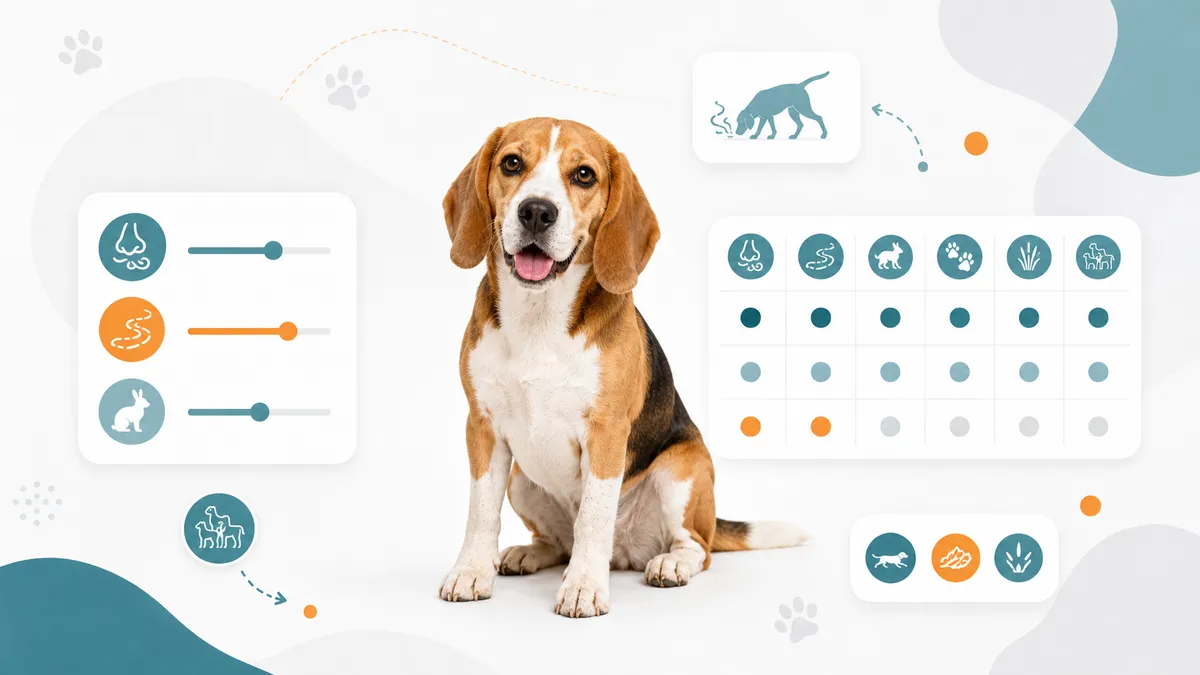
Hound Group
Hounds are pursuit specialists. Some live through their noses, some chase by sight and speed, and some combine endurance with strong independence. The best owner fit depends heavily on whether the dog is a scent hound, sighthound or Dachshund-type hunter.
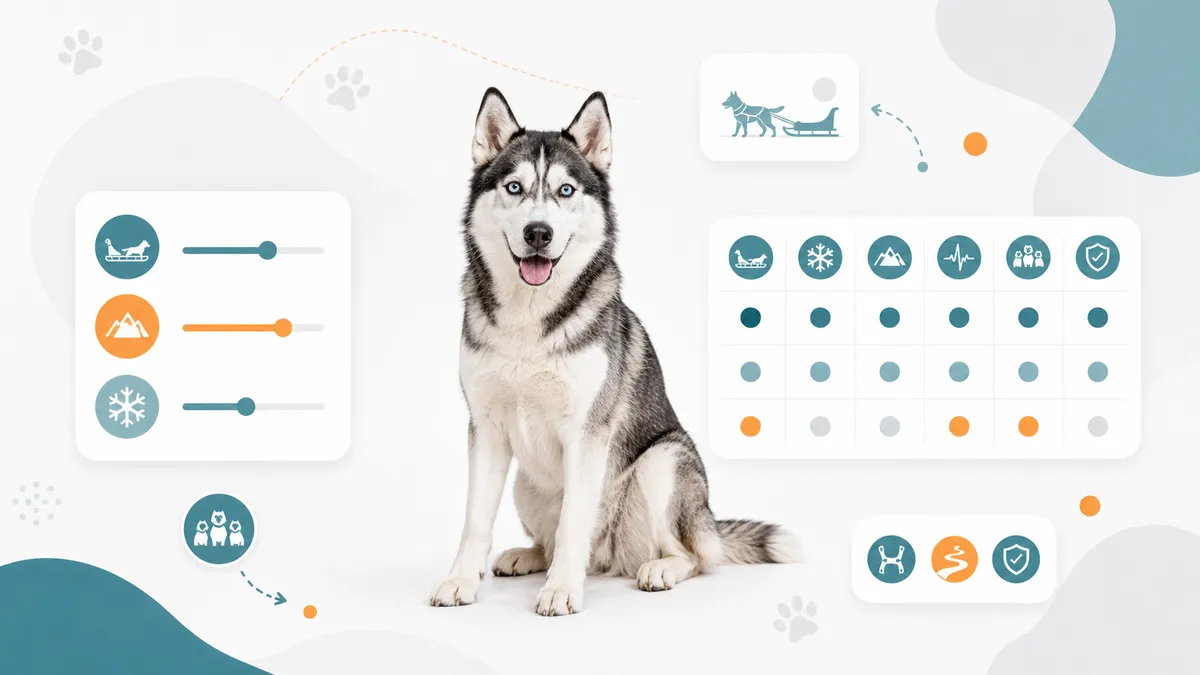
Working Group
Working dogs are built for serious jobs. Many are large, strong, confident and protective, which makes early socialization, good handling and realistic cost planning especially important.
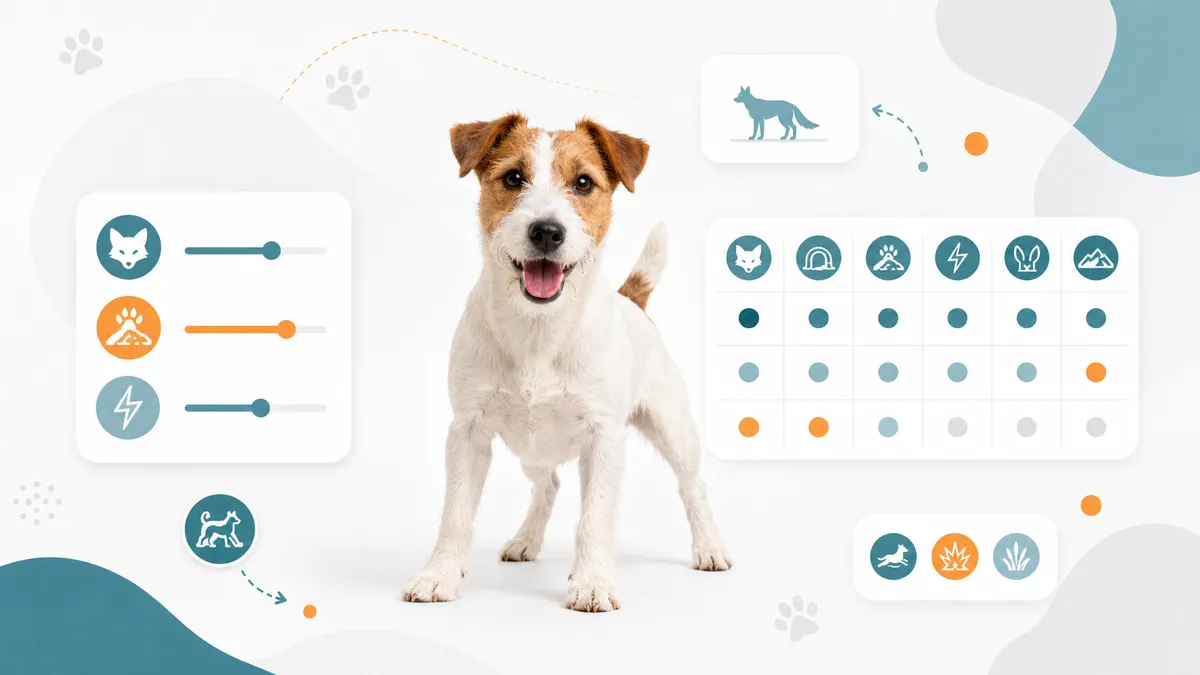
Terrier Group
Terriers are compact intensity: bold, fast, often prey-driven and highly entertaining. They can be brilliant companions when their chase, digging, reactivity and grooming needs are handled honestly.
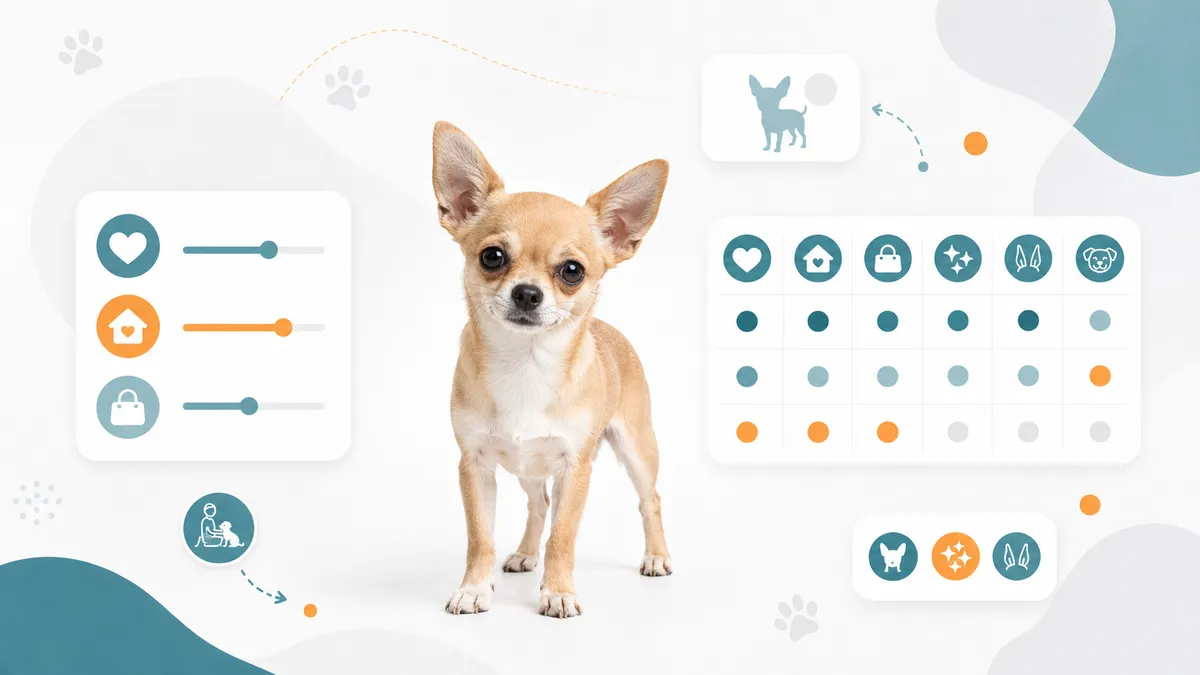
Toy Group
Toy dogs are companion specialists, not accessories. Their size can make them apartment-friendly, but many still need training, socialization, dental care and coat maintenance.
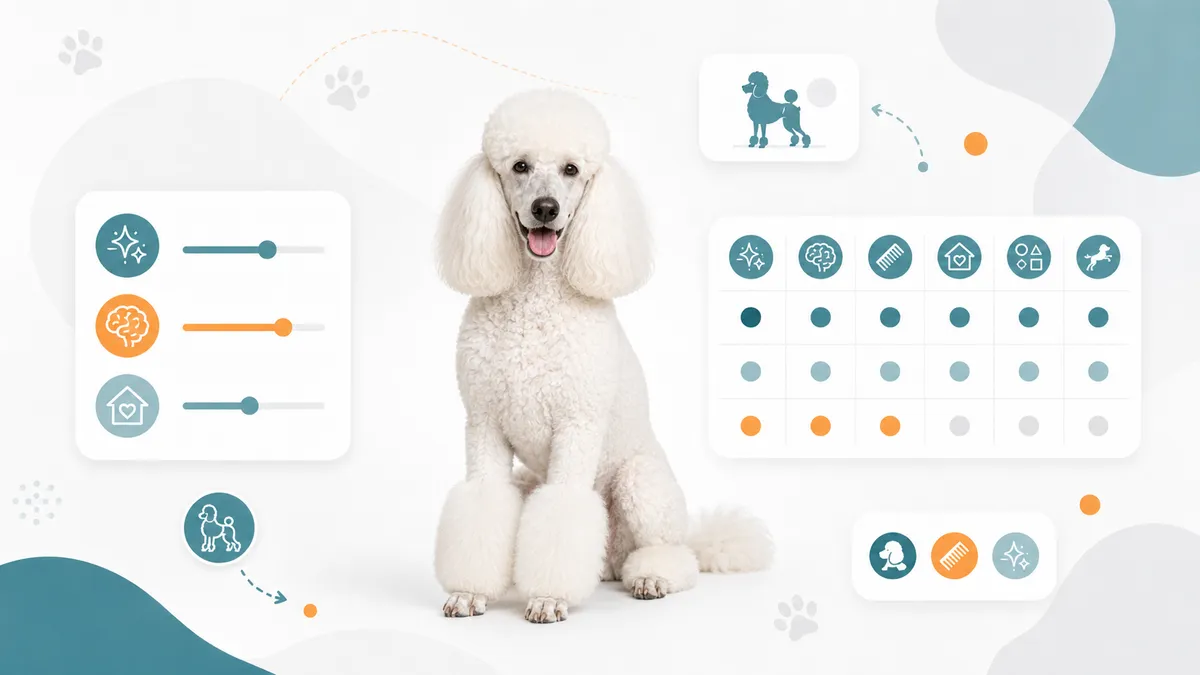
Non-Sporting Group
Non-Sporting is the most mixed AKC group. It should be treated as a set of subtypes—companion, utility, primitive/spitz-like, brachycephalic, poodle-type and rare heritage breeds—rather than one temperament bucket.
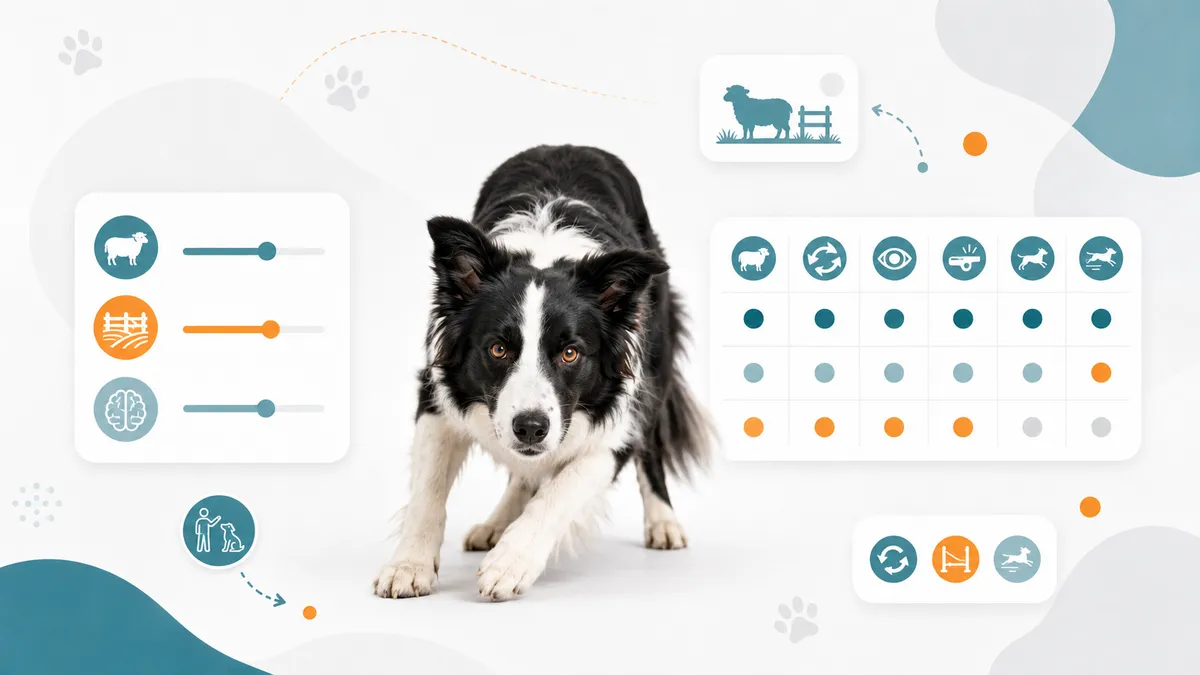
Herding Group
Herding dogs are often intelligent and responsive, but smart does not mean easy. Many need structured mental work, movement-control training and an off-switch routine as much as physical exercise.
AKC vs FCI groupings
The AKC uses these 7 groups; the FCI uses 10 international groups with more detail — for example, Dachshunds get their own FCI group.
PupWiki tools for this group
Apply group insights to your specific dog with these free tools.
Frequently asked questions
- What are the 7 AKC dog breed groups?
- The seven AKC dog breed groups are Sporting, Hound, Working, Terrier, Toy, Non-Sporting and Herding. They group breeds primarily around the original work or role those breeds were developed to perform.
- What are the 10 FCI dog breed groups?
- The FCI groups are: Sheepdogs and Cattledogs; Pinscher/Schnauzer/Molossoid/Swiss Mountain and Cattledogs; Terriers; Dachshunds; Spitz and primitive types; Scent hounds and related breeds; Pointing Dogs; Retrievers/Flushing Dogs/Water Dogs; Companion and Toy Dogs; and Sighthounds.
- Are breed groups a reliable way to choose a dog?
- Breed groups are useful starting points, but they are not guarantees. They describe broad historical purpose and typical tendencies. A good match should also consider the individual breed, line, age, training, health, lifestyle and household.
Sources
- American Kennel ClubThe 7 AKC Dog Breed Groups ExplainedAccessed 2026-06-06
- American Kennel ClubAKC Breeds Broken Out By GroupAccessed 2026-06-06
- Fédération Cynologique InternationaleFCI breeds nomenclatureAccessed 2026-06-06
See something outdated, unclear, or incorrect? We welcome corrections — just send us the page URL, the issue, and a supporting source if available.
Submit a correction →What makes you trust a local dog service provider?
Help improve PupWiki with one quick anonymous answer.
Find dog services →