

Dog Nutrition & Weight Hub: feed the right amount and spot red flags
Feeding your dog the right amount of the right food is one of the most impactful things you can do for their health and longevity. Whether you need to calculate portions, check if a food is safe, assess body condition, or help your dog lose weight safely, this hub provides evidence-based tools and guidance. Always consult your vet before making significant diet changes.
Source-backed, educational content. No sponsored rankings. Always consult a professional for medical, behavioural, or financial advice.
What do you need?
Nutrition and weight tools
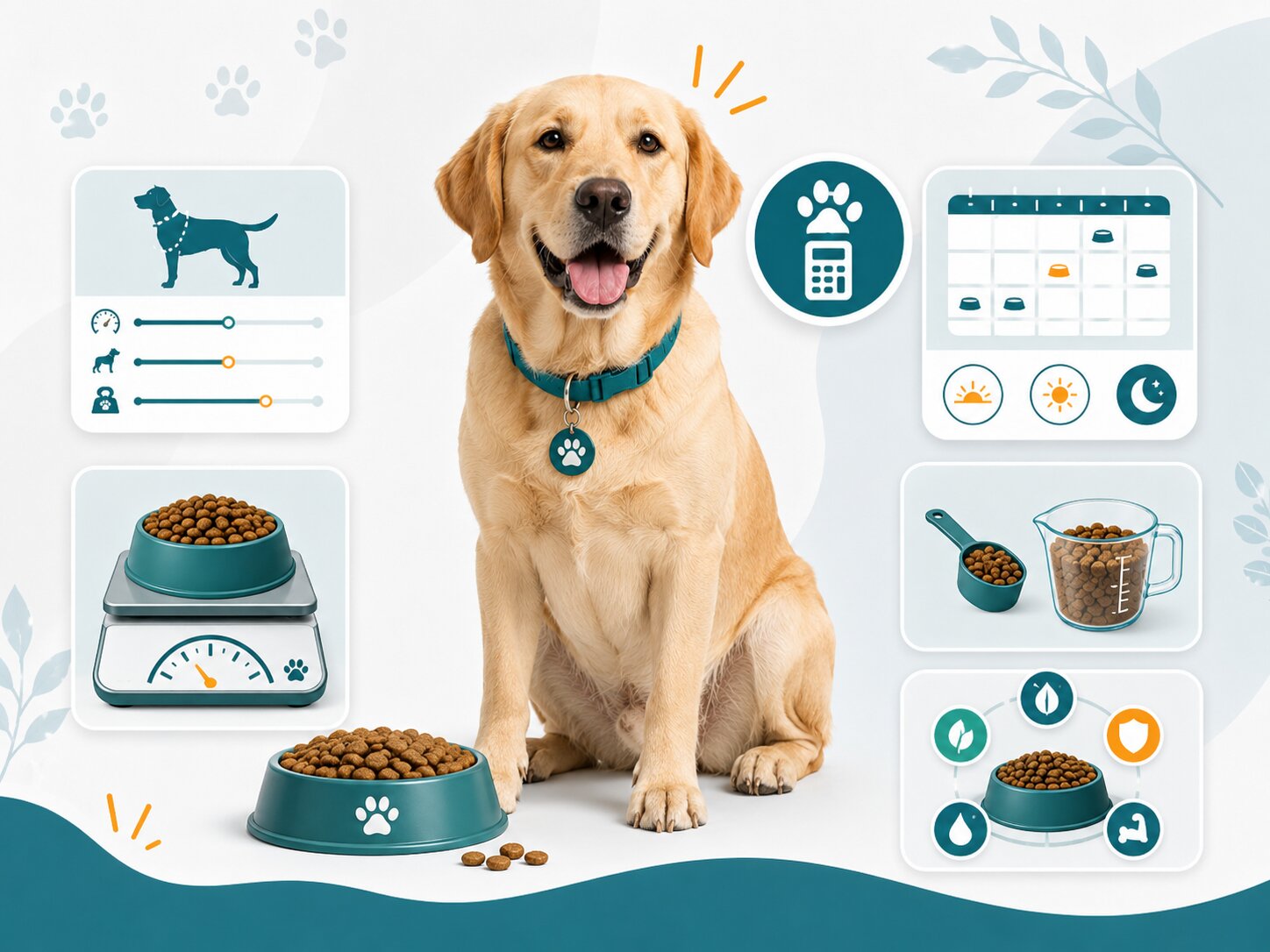
Estimate dog calories, portions, meal frequency, label quality, and nutrition red flags using age, weight, body condition, activity, and food-label details.
Check my dog's food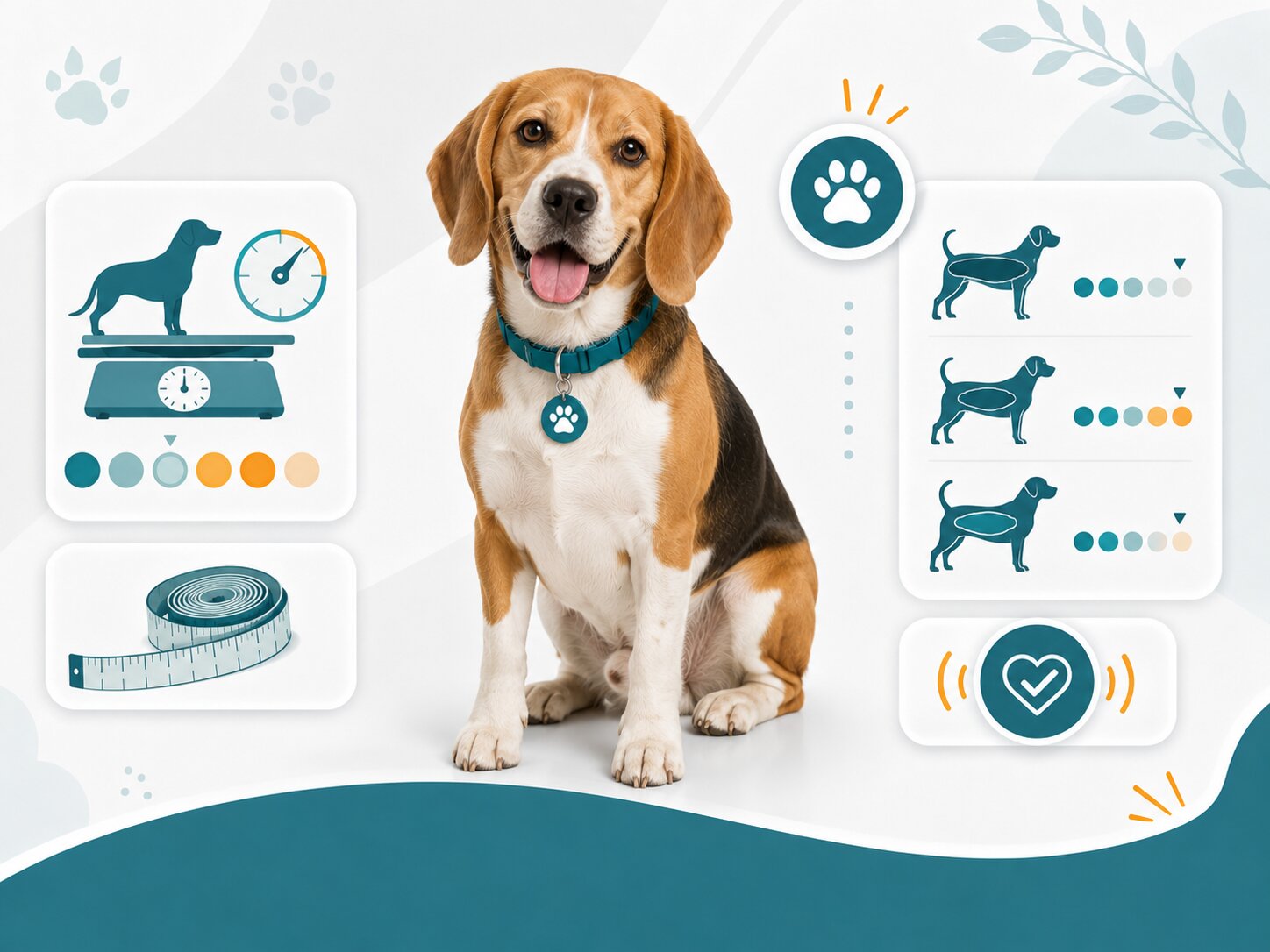
Enter your dog's weight, body condition score, and activity level — get an ideal weight estimate, BCS interpretation, daily energy needs, and safe weight-loss guidance based on published veterinary guidelines.
Check my dog's weight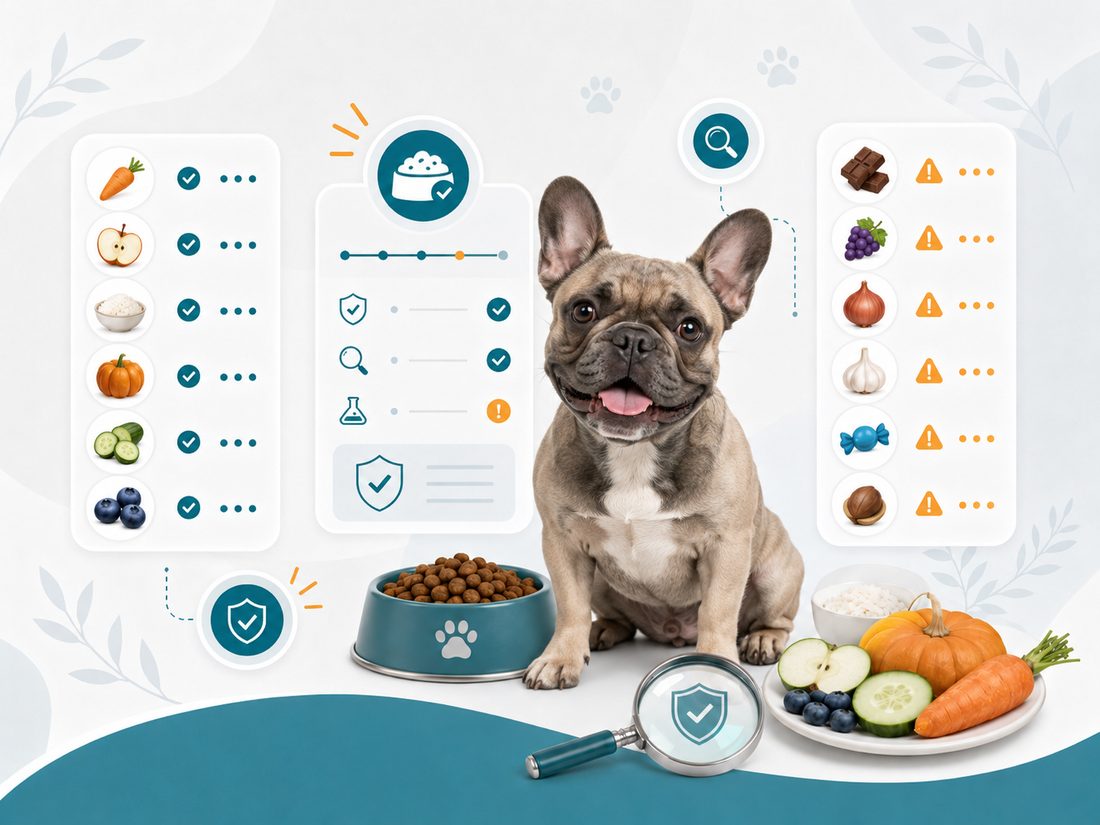
Check whether a human food is safe, toxic, or dangerous for your dog. Search 138 foods with veterinary-sourced safety ratings, toxic dose calculations, symptom lists, emergency actions, and safe serving guidance.
Check food safetyNutrition and weight guides
Feeding basics

Weight and body condition




Nutrition products
Explore related topics




Frequently asked questions
- How much should I feed my dog?
- Feeding amounts depend on your dog's weight, age, activity level, body condition, and the caloric density of their food. As a starting point, most adult dogs need 25-35 calories per pound of body weight per day. The Dog Food Calculator uses the standard RER formula (70 x weight in kg ^ 0.75) with activity multipliers to give you a personalised daily calorie target and portion size.
- How do I know if my dog is overweight?
- Use the Body Condition Score (BCS) system: feel your dog's ribs (they should be easily felt with light pressure but not visible), look for a waist tuck when viewed from above, and check for an abdominal tuck from the side. A score of 4-5 out of 9 is ideal. Over 50% of dogs are overweight, which shortens lifespan and increases disease risk. The Weight & Body Condition Checker walks you through the assessment.
- How do I read a dog food label?
- Look at the guaranteed analysis (minimum protein, fat; maximum fibre, moisture), ingredient list (listed by weight before cooking), and AAFCO adequacy statement (confirms nutritional completeness for a life stage). Ignore marketing claims like 'premium' or 'natural' which have no regulated meaning. The calorie content (kcal/cup or kg) is essential for calculating portions accurately.
- What foods are toxic to dogs?
- Common toxic foods include chocolate (theobromine), grapes and raisins (kidney failure), onions and garlic (anaemia), xylitol/birch sugar (hypoglycaemia), macadamia nuts, alcohol, and cooked bones (splintering risk). The Dog Food Safety Checker covers 138 ingredients with risk ratings. If your dog has eaten something toxic, contact your vet or an emergency poison helpline immediately.
- How can my dog lose weight safely?
- Safe weight loss is 1-2% of body weight per week. Start with a vet assessment to rule out medical causes (hypothyroidism, Cushing's). Calculate a calorie target 20-30% below maintenance needs, weigh food portions precisely, eliminate table scraps and high-calorie treats, and increase exercise gradually. Track weight weekly. The Food Calculator and Weight Checker work together to set a safe timeline.
What do you check first on a dog food label?
Help improve PupWiki with one quick anonymous answer.
Check food safety →