
The health information on PupWiki is for educational purposes only and does not constitute veterinary medical advice, diagnosis, or treatment. Always seek the guidance of a licensed veterinarian with any questions you may have regarding your dog's health or a medical condition.
French Bulldogs, Pugs, English Bulldogs, and Boston Terriers are among the most popular breeds in the world. They are also among the most medically complex. The same flattened facial structure that creates their appeal also causes a structural breathing condition that affects the majority of these dogs to some degree. Understanding it before you own one of these breeds is not optional — it is essential.
What is brachycephalic obstructive airway syndrome (BOAS)?
"Brachycephalic" means short-skulled — a deliberate selective breeding outcome over generations. The compressed skull compresses everything inside: the nasal passages, palate, and throat must fit into a space significantly smaller than in a normal-skulled dog.
The result is a cluster of structural abnormalities that restrict airflow:
- Stenotic nares — narrowed nostril openings that restrict incoming air
- Elongated soft palate — the soft tissue at the back of the throat extends too far and partially blocks the airway
- Hypoplastic trachea — an undersized windpipe that limits total airflow capacity
- Everted laryngeal saccules — small tissue pouches that get sucked into the airway by the effort of breathing through a restricted upper airway; a secondary consequence that develops over time
Most affected dogs have multiple components simultaneously. Severity ranges from mild (audible snoring at rest, slightly laboured breathing after exertion) to severe (exercise intolerance at walking pace, choking on food, sleep apnoea, episodic collapse).
Affected breeds
Any breed selectively bred for a short muzzle can be affected. The most commonly seen in veterinary practice:
Higher BOAS severity risk
- French Bulldog
- English Bulldog
- Pug
- Pekingese
Moderate BOAS risk
- Boston Terrier
- Shih Tzu
- Lhasa Apso
- Chow Chow
Lower BOAS risk (mild brachycephaly)
- Boxer
- Cavalier King Charles Spaniel
- Bullmastiff
- Shar Pei
Grading and severity vary significantly between individual dogs within the same breed. A dog from lines with less extreme facial compression can be minimally affected even within a high-severity breed group.
How to recognise BOAS symptoms
Because brachycephalic dogs have always looked and sounded this way to their owners, early signs are often normalised as "just how the breed is." Recognising what is manageable versus what warrants veterinary assessment is important:
- Snoring and stertor at rest — common in mild cases; note if it worsens over time
- Exercise intolerance — needing to stop on short walks, heavy breathing after minimal activity
- Open-mouth breathing at rest — dogs should breathe through their nose at rest; open-mouth breathing signals airway compromise
- Regurgitation and gagging — BOAS is connected to gastrointestinal issues; vomiting after eating is a documented association
- Cyanosis — blue or purple gum colour indicates acute oxygen deprivation; this is an emergency
- Sleep disruption — waking during sleep, snoring that causes arousal, sleeping in unusual postures (propped on chin) to maintain airway
BOAS grading (Grade 0–3) is used by veterinary surgeons to assess severity. Grade 1 is mild; Grade 2 represents significant compromise; Grade 3 is severely affected. A BOAS assessment includes exercise testing, not just visual examination.
Surgical correction
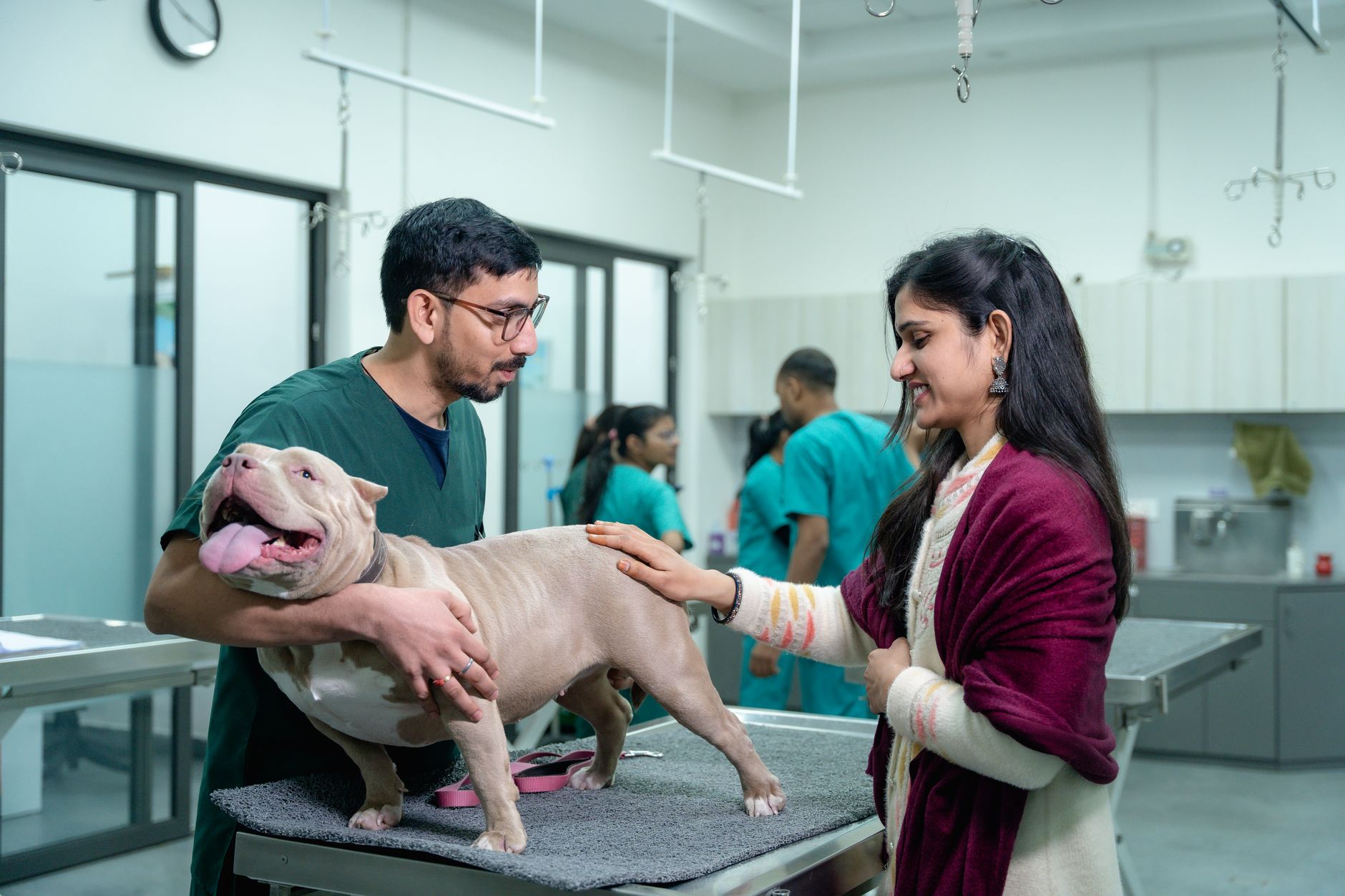
Surgery is not mandatory for every brachycephalic dog, but it is beneficial for many. The procedures address the physical obstructions:
- Widening the nostrils (rhinoplasty) — the most common and most impactful procedure; improves airflow immediately
- Shortening the soft palate — removes the excess tissue that blocks the back of the throat
- Removing everted laryngeal saccules — performed when present; prevents progressive worsening
Timing matters: Early surgery — before the dog develops secondary laryngeal changes from years of laboured breathing — produces significantly better outcomes. Many veterinary surgeons recommend assessment and correction at the time of neutering (around 6 months) in breeds with a high BOAS probability. Waiting until the dog is clearly symptomatic means addressing more complex secondary changes.
Costs vary significantly by location and severity: typically $1,000–$4,000 depending on which procedures are needed and your location. Pet insurance taken out before diagnosis is the primary financial protection against this.
Heat management and daily safety
Flat-faced dogs cool themselves through panting, which is inefficient when the airway is restricted. This makes them significantly more vulnerable to heat stroke than normal-skulled breeds. This is not a minor caveat — heat stroke in brachycephalic dogs can occur in temperatures that other breeds handle without difficulty.
- Exercise only in the coolest parts of the day — early morning or evening in summer
- Avoid pavement in hot weather; surface temperature can be 30°C higher than air temperature
- Never leave in a car, conservatory, or poorly ventilated space in warm weather
- Provide shade and fresh water at all times during warmer months
- Consider a cooling vest or damp towel in hot conditions
- Short, calm walks in warm weather — this is not the breed for summer running
Signs of heat stroke: excessive panting or breathing difficulty, excessive drooling, red or purple gums, weakness or stumbling, collapse. This is a veterinary emergency — move to a cool space, apply cool (not cold) water, and contact your vet immediately.
Other common health concerns in brachycephalic breeds
- Eye conditions: Shallow eye sockets mean eyes are more prominent and prone to corneal ulcers, dry eye, and entropion (inward-rolling eyelids). Regular eye cleaning and prompt attention to any discharge is important.
- Dental crowding: Teeth crowded into a smaller jaw create periodontal disease earlier than in most breeds. Professional dental cleaning from around age 2–3 and daily brushing from puppyhood significantly reduces this.
- Spinal issues: English Bulldogs and French Bulldogs have elevated rates of hemivertebrae (malformed vertebrae) which can cause spinal cord compression. Neurological symptoms (wobbly gait, weakness) warrant urgent veterinary investigation.
- Skinfold infections: Facial wrinkles in Pugs, Bulldogs, and Shar Peis collect moisture and debris. Regular fold cleaning (at least weekly) prevents bacterial and yeast infections.
- Anaesthesia risk: Brachycephalic dogs require experienced anaesthetic management due to airway complications. Inform any vet that your dog is brachycephalic before any sedation or procedure.
Disclaimer: This guide is for general educational purposes only and does not constitute veterinary advice. If your dog shows breathing difficulty, exercise intolerance, or any of the symptoms described, consult your veterinarian. BOAS severity and surgical recommendations are individual — only a veterinary examination can determine appropriate management for your dog.
Frequently asked questions
- What is BOAS in dogs?
- Brachycephalic Obstructive Airway Syndrome (BOAS) is a structural condition caused by the compressed skull anatomy of flat-faced breeds. The shortened muzzle creates crowded anatomy — narrowed nostrils, an elongated soft palate, and narrowed trachea — that restricts airflow. Severity varies from mild (audible breathing, snoring) to severe (exercise intolerance, respiratory distress, collapse).
- Which breeds are brachycephalic?
- The most commonly affected breeds are French Bulldog, English Bulldog, Pug, Boston Terrier, Boxer, Cavalier King Charles Spaniel, Shih Tzu, Pekingese, and Lhasa Apso. Flat-faced cat breeds (Persian, British Shorthair) are also affected. The degree of brachycephaly varies — Boxers and Cavaliers are generally less severely affected than Pugs and English Bulldogs.
- When should a brachycephalic dog have surgery?
- Surgical correction (widening nostrils, shortening the soft palate, removing everted laryngeal saccules if present) is recommended when breathing difficulty affects quality of life — exercise intolerance, choking on food, vomiting after eating, frequent snorting at rest, or sleep apnoea. Early intervention when the dog is young and before the airways develop secondary changes produces better outcomes. Discuss timing with a veterinary surgeon experienced with brachycephalic breeds.
- How do I keep a brachycephalic dog safe in heat?
- Flat-faced breeds are at high risk of heat stroke because restricted airways limit their ability to cool through panting. In warm weather: exercise only in cool parts of the day (early morning or evening), keep walks short, ensure shade and water access, avoid hot pavements, and never leave them in cars. A wet towel on the abdomen and neck helps cool overheated dogs. Heatstroke is a veterinary emergency — signs include excessive panting, drooling, weakness, and collapse.
- Is buying a brachycephalic breed ethical?
- This is a genuine debate within the veterinary community. The concern is that demand for extreme flat-faced dogs perpetuates breeding that causes structural suffering. The most responsible approach is to choose a breeder who uses health-graded, less extreme breeding stock; supports BOAS grading programmes; and does not breed dogs with grade 2 or higher BOAS without veterinary clearance. Rescue is another ethical option for those committed to the breed.


