
Dog breed group guide
Toy Dogs: Serve as small companion dogs, lap dogs and alert household companions.
Toy dogs are companion specialists, not accessories. Their size can make them apartment-friendly, but many still need training, socialization, dental care and coat maintenance.
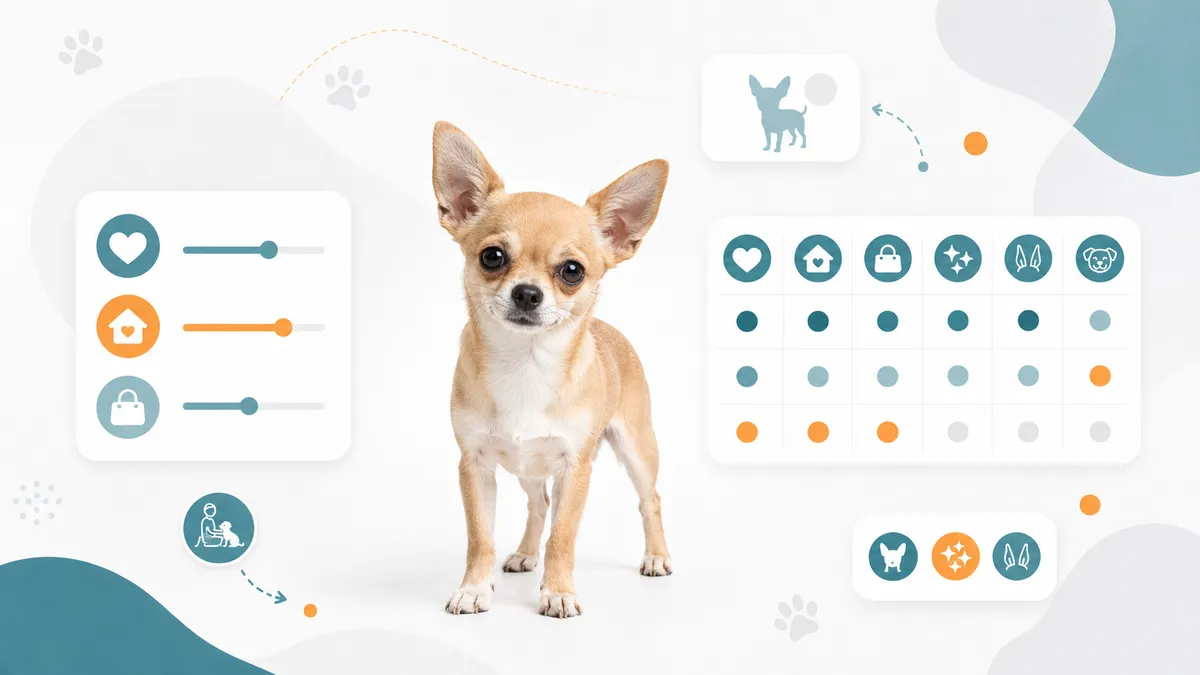
What this group was bred to do
Serve as small companion dogs, lap dogs and alert household companions.
Toy breeds were often developed or selected as small household companions, court dogs, alert dogs and lap warmers. The group includes bichon-like dogs, toy spaniels, tiny terriers, pugs, poodles and other companion types.
Core instincts:
What that means in a modern home
Often a good fit for:
- apartment dwellers
- owners who want a small companion
- seniors or households with limited space
- people who can supervise gentle handling
Important watch-outs:
- small size can mask high energy or protective instincts
- fragility around rough handling
- dental and grooming needs can be significant
- some breeds are brachycephalic or coat-intensive
Owner fit signals
These are group-level tendencies, not individual guarantees. Always research specific breeds and consult a qualified trainer or breeder.
Good fit if you
- small-space living
- wants close companionship
- committed to training despite size
- can budget dental/grooming care
Consider carefully if
- very young children
- long workdays without companionship plan
- expects zero barking
Not the best fit if
- rough household handling
- no grooming/dental budget
- hot climate without brachy precautions for flat-faced breeds
Family note: Toy dogs can fit families, but child age, handling style and dog size/fragility are more important than the group label.
Functional subtypes and instincts
PupWiki functional lens — not a formal registration category.
Subtypes in this group
How instincts appear at home
- following owners
- alert barking
- selective confidence outdoors
- sensitivity to rough handling
- high grooming/dental needs in many
Training levers that work well
- confidence-building socialization
- reward-based handling
- small-dog leash skills
- anti-barking routines
- toilet training consistency
Breeds in this group (24)
- Brussels Griffon
- Cavalier King Charles Spaniel
- Chihuahua
- Chinese Crested
- Havanese
- Italian Greyhound
- Maltese
- Papillon
- Pekingese
- Pomeranian
- Pug
- Shih Tzu
- Toy Fox Terrier
- Yorkshire Terrier
- Affenpinscher
- Biewer Terrier
- English Toy Spaniel
- Japanese Chin
- Manchester Terrier
- Miniature Pinscher
- Poodle
- Russian Toy
- Russian Tsvetnaya Bolonka
- Silky Terrier
10 breeds in this group are not yet profiled on PupWiki.
PupWiki tools for this group
Apply group insights to your specific dog with these free tools.
Frequently asked questions
- Are Toy dogs low-maintenance?
- Toy dogs can be easier to house in small spaces, but they are not automatically low-maintenance. Many need coat care, dental care, socialization, training and protection from rough handling.
Sources
- American Kennel ClubThe 7 AKC Dog Breed Groups ExplainedAccessed 2026-06-06
- American Kennel ClubAKC Breeds Broken Out By GroupAccessed 2026-06-06
- American Kennel ClubAKC Breed Groups: Understanding Breed Groups at Dog Shows
- American Kennel ClubList of Breeds by Group
- Fédération Cynologique InternationaleFCI Breeds Nomenclature
- Fédération Cynologique InternationaleBreed Specific Instructions regarding exaggerations in pedigree dogs
- The Royal Kennel ClubBreed standards
- American Veterinary Medical AssociationSelecting a pet dog
- MSD Veterinary ManualSelecting a Dog
See something outdated, unclear, or incorrect? We welcome corrections — just send us the page URL, the issue, and a supporting source if available.
Submit a correction →What makes breed groups most useful to you?
Help improve PupWiki with one quick anonymous answer.
Compare breeds →