
Jack Russell Terrier
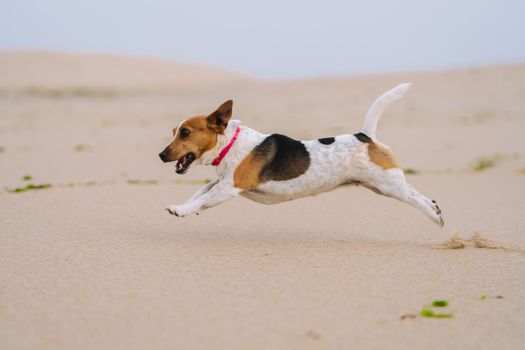
Compact, bold, working terrier bred for fox hunting; explosive energy and intelligence in a small, determined package.

Photo by Diogo Miranda on Pexels
Quick facts: Jack Russell Terrier
- Size
- Small
- Weight
- 5.9–7.7 kg
- Origin
- England
- Life span
- 13–16 years
- Temperament
- Alert, lively, independent, fearless
- Energy level
- Very‑high
- Grooming needs
- Low
- Trainability
- Medium
- Apartment fit
- Low
- Typical annual cost
- ~$1,900
Is the Jack Russell Terrier right for you?
Best for
- Active owners with outdoor space
- Experienced dog owners comfortable with terrier independence
- Households without small pets (strong prey drive)
- Owners who enjoy training, agility, or working activities
Not ideal if
- First-time owners expecting easy compliance
- Apartment living or sedentary households
- Families with small animals (cats, rabbits, rodents)
- Anyone unprepared for relentless digging and escaping
A fearless, high-energy working terrier that demands a specific owner — endlessly rewarding for the right match.
Trait snapshot
What owners actually say
Jack Russell owners describe an electric, rewarding relationship — but are unanimous that the energy and independence demand a very specific, experienced owner.
- Energy
The energy is not an exaggeration. Owners consistently report that a Jack Russell that has not had sufficient vigorous exercise that day will find ways to express that energy destructively — digging, barking, escaping, dismantling furniture. Sixty minutes of brisk activity is a floor, not a ceiling.
- Training
Brilliant when motivated, infuriating when not. Recall in particular is the training challenge most owners describe: a Jack Russell that catches a scent is functionally deaf. Owners who invest in training with high-value rewards early describe the relationship as deeply rewarding; those who skip it describe chaos.
- General
Prey drive is strong and lifelong. Most owners with small animals (cats, rabbits, rodents) describe constant management or outright incompatibility unless the dog was raised alongside them from a very young age. It is an honest dealbreaker for many households.
- Health reality
Lens luxation (PLLux) is a heritable condition specific to terrier breeds — the lens displaces and an acute episode is a veterinary emergency. Responsible breeders test for it. Owners who buy from untested lines and encounter it describe it as both expensive and frightening. The genetic test is inexpensive and should be a standard breeder question.
- Apartment life
Possible in theory but very difficult in practice. Owners in apartments who succeed describe extremely structured days: long morning runs, midday enrichment, evening training sessions. Owners who underestimate the spatial and exercise requirement describe serious behaviour problems within weeks.
- General
The upside that keeps owners devoted: personality and intelligence that genuinely punch above their weight class. Owners who match the right lifestyle to this breed describe a companion with more character and heart than dogs three times the size.
Editorial summary based on owner accounts and breed community feedback.
Cost snapshot
Range $1,100–$3,200
Range $2,200–$6,500
After first year
Annual breakdown
Assumptions used:
- Low grooming costs (smooth/broken coat)
- High energy — training and enrichment investment pays off
- Lens luxation — genetic testing cost worthwhile from reputable breeders
Last reviewed: 2026-06-20
Read full methodology →Health watchlist
Health information is educational only. Always consult your veterinarian.
Patellar luxation
Kneecap slippage is common in small breeds. OFA screening in breeding lines helps identify affected dogs. Mild cases are managed conservatively; severe cases may require surgery. Consult your vet for guidance specific to your dog.
Lens luxation
Primary lens luxation (PLLux) is a hereditary condition in terriers causing the lens to displace. Genetic testing is available and strongly recommended for breeding dogs. An acute luxation is a veterinary emergency. Consult your vet for guidance specific to your dog.
Deafness
Congenital deafness occurs in the breed, particularly in predominantly white dogs. BAER hearing testing is available. Reputable breeders test breeding stock. Consult your vet for guidance specific to your dog.
Ear infections
Folded ears can trap moisture. Regular ear cleaning helps prevent infections. Consult your vet for guidance specific to your dog.
Dental disease
Small terriers are prone to dental issues. Regular brushing is recommended. Consult your vet for guidance specific to your dog.
Check your fit
Answer a few questions to see how a Jack Russell Terrier fits your household.
Frequently asked questions
Are Jack Russell Terriers good for first-time owners?
How much exercise does a Jack Russell need?
Can Jack Russell Terriers live with cats?
Do Jack Russell Terriers bark a lot?
How much does it cost to own a Jack Russell Terrier?
What health problems are Jack Russell Terriers prone to?
How much grooming does a Jack Russell Terrier need?
Are Jack Russell Terriers easy to train?
Are Jack Russell Terriers good apartment dogs?
Tools for Jack Russell Terrier owners
Similar breeds to the Jack Russell Terrier

Agile, compact sporting dog with intense field drive, cheerful trainability, and a real need for daily exercise.
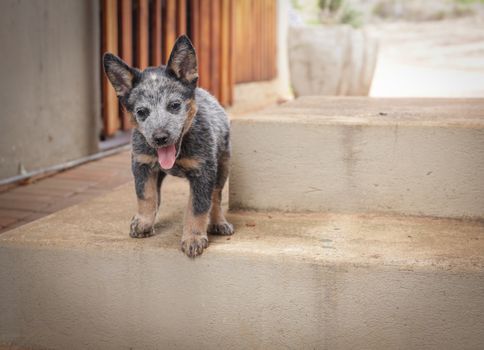
Exceptionally intelligent Australian herding breed — also known as the Blue Heeler — bred for relentless stamina and independent problem-solving; thrives in working or dog-sport households but becomes destructive and neurotic without sufficient daily challenge.

Small pack hound built for endurance and scent work; merry, social, and food-motivated.

Compact American herding dog resembling a small Australian Shepherd; bright, agile, loyal, and far more driven than its size suggests.
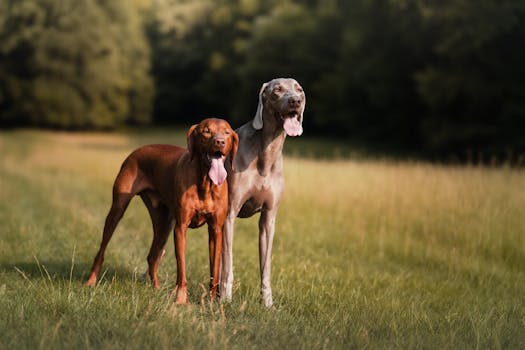
Athletic, deeply affectionate Hungarian sporting dog nicknamed the 'velcro dog'; thrives with active owners but struggles with extended alone time and is not suited to sedentary households.
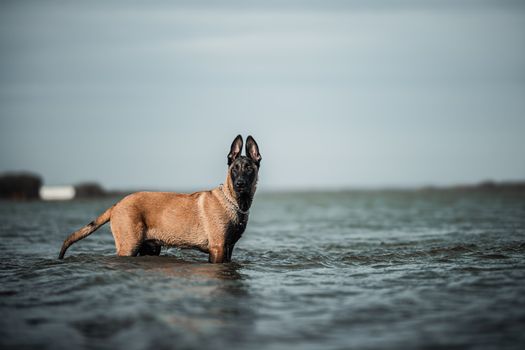
Highly intelligent Belgian herding breed favoured by military and police forces worldwide for its extraordinary trainability and relentless work drive; athletic, loyal, and capable of elite performance — but genuinely unsuitable for inexperienced or sedentary owners.
Compare & learn more
Head-to-head comparisons
Relevant guides
What matters most for a family dog?
Help improve PupWiki with one quick anonymous answer.
Find my breed match →