
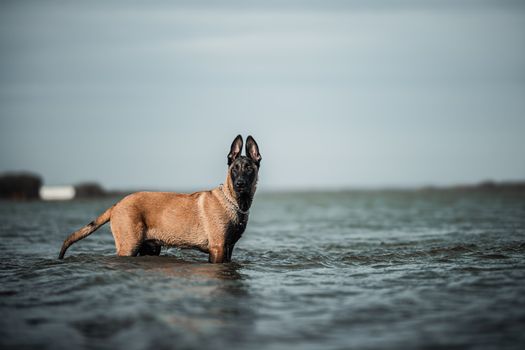
Belgian Malinois
Highly intelligent Belgian herding breed favoured by military and police forces worldwide for its extraordinary trainability and relentless work drive; athletic, loyal, and capable of elite performance — but genuinely unsuitable for inexperienced or sedentary owners.
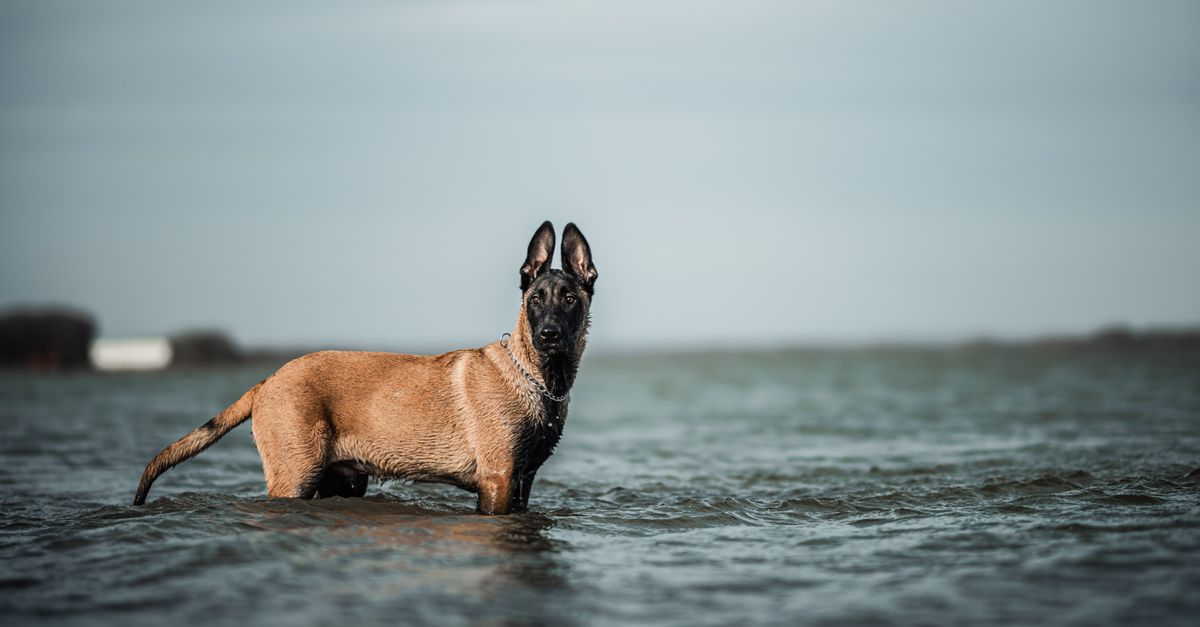
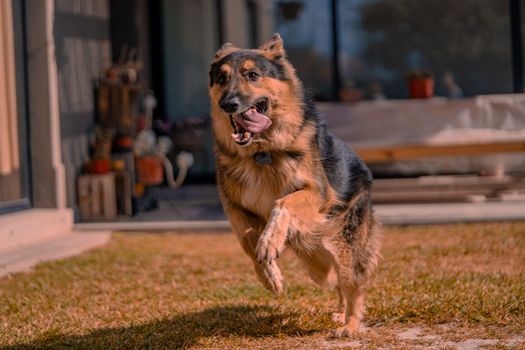
Photo by Jozef Fehér on Pexels
Quick facts: Belgian Malinois
- Size
- Medium
- Weight
- 11.3–15.4 kg
- Origin
- Belgium
- Life span
- 14–16 years
- Temperament
- Confident, alert, driven, loyal, intelligent
- Energy level
- Very‑high
- Grooming needs
- Very‑low
- Trainability
- Very‑low
- Apartment fit
- Very‑low
- Typical annual cost
- ~$2,200
Is the Belgian Malinois right for you?
Best for
- Experienced dog handlers familiar with high-drive working breeds
- Owners committed to structured dog sports such as IPO/Schutzhund, ring sport, agility, or detection work
- Active individuals or professionals with working dog experience who want a devoted, high-performance companion
- Those with the time, space, and expertise to provide 2+ hours of structured daily engagement
Not ideal if
- First-time or inexperienced dog owners — Malinois without proper leadership and structure can become destructive or reactive
- Families with young children — their intensity and herding instinct require careful management around small children
- Apartment or urban households without large secure exercise space and access to structured training
- Owners who work long hours or cannot provide the near-constant mental and physical engagement this breed requires
An elite working dog of exceptional capability — deeply rewarding for experienced handlers who can meet their intense physical and mental demands, but one of the least appropriate breeds for the average pet owner.
Trait snapshot
Belgian Malinois is part of the Herding Group — see group tendencies →
What owners actually say
Belgian Malinois ownership is not casual — this is one of the most demanding breeds in the world, and most owners underestimate the commitment required.
- Training
The Malinois is extraordinary at its job when professionally trained. However, untrained or undertrained Malinois become destructive, anxious, and sometimes dangerous. This breed needs structured work — ideally with a handler who has experience with working dogs.
- Energy
2–3 hours of vigorous structured activity daily is not an exaggeration. Belgian Malinois owners frequently describe their dogs as 'never tired' — this is a working breed that was built for all-day physical and mental output.
- Apartment life
Completely unsuitable for apartment or urban living without extraordinary exercise commitment. They need space, stimulation, and purpose — ideally a sport or working role.
- Health reality
Generally a healthy, hardy breed. Hip and elbow dysplasia are present but at lower rates than many large breeds. The greater health risk is the psychological damage that comes from under-exercising and under-stimulating this dog.
- General
In the hands of an experienced working-dog handler, the Belgian Malinois is breathtaking — intelligent, fearless, athletic, and deeply bonded to their person. In the wrong hands, they are a serious management problem.
Editorial summary. Phase 3 will add structured owner survey data.
Cost snapshot
Range $1,400–$3,800
Range $2,500–$7,500
After first year
Annual breakdown
Assumptions used:
- Professional training from a handler experienced with working breeds is near-essential — general obedience classes alone are insufficient
- Dog sport participation, equipment, and competition fees are significant ongoing costs for owners pursuing structured activities
- Orthopaedic monitoring and CAER eye examinations are recommended at regular intervals throughout the dog's life
Last reviewed: 2026-06-20
Read full methodology →Health watchlist
Health information is educational only. Always consult your veterinarian.
Hip and elbow dysplasia
Hip and elbow dysplasia are documented concerns in the Belgian Malinois, particularly as the breed's athleticism can mask early signs of joint discomfort. OFA or PennHIP screening of parent dogs is standard in responsible working-line breeding programs. Consult your vet for appropriate orthopaedic evaluation, particularly before beginning intensive sport training.
Progressive retinal atrophy (PRA)
PRA is an inherited condition causing progressive degeneration of the photoreceptors in the retina, leading to vision loss. DNA testing is available for certain forms of PRA affecting the Belgian Malinois. Consult your vet for CAER eye examination and ask breeders for relevant genetic clearances.
Sensitivity to anaesthesia
Some Belgian Malinois lines have shown sensitivity to certain anaesthetic agents. Informing your veterinary team of the breed before any procedure requiring sedation or anaesthesia is advisable. Consult your vet to discuss protocol adjustments appropriate for the breed.
Bloat/GDV
Deep-chested working breed with moderate bloat risk. Feed smaller meals and monitor after exercise. Consult your vet for guidance specific to your dog.
Cataracts
Hereditary cataracts can develop. Annual eye exams are recommended. Consult your vet for guidance specific to your dog.
Check your fit
Answer a few questions to see how a Belgian Malinois fits your household.
Frequently asked questions
Is the Belgian Malinois a good pet for an average family?
How much exercise does a Belgian Malinois need?
Are Belgian Malinois the same as German Shepherds?
How much does it cost to own a Belgian Malinois?
What health problems are Belgian Malinoiss prone to?
How much grooming does a Belgian Malinois need?
Are Belgian Malinoiss easy to train?
Are Belgian Malinoiss good apartment dogs?
Are Belgian Malinoiss good for first-time owners?
How long do Belgian Malinoiss live?
Tools for Belgian Malinois owners
Similar breeds to the Belgian Malinois
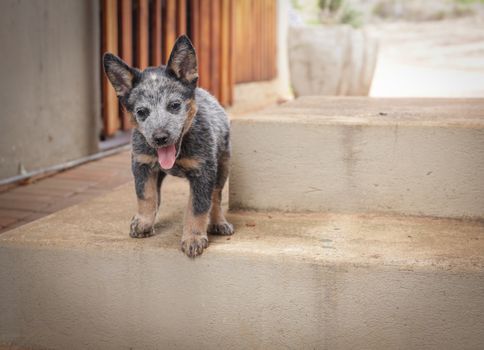
Exceptionally intelligent Australian herding breed — also known as the Blue Heeler — bred for relentless stamina and independent problem-solving; thrives in working or dog-sport households but becomes destructive and neurotic without sufficient daily challenge.
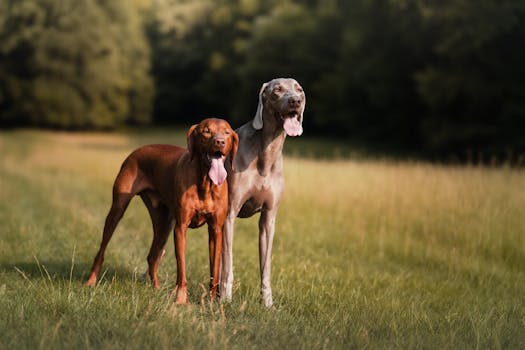
Athletic, deeply affectionate Hungarian sporting dog nicknamed the 'velcro dog'; thrives with active owners but struggles with extended alone time and is not suited to sedentary households.
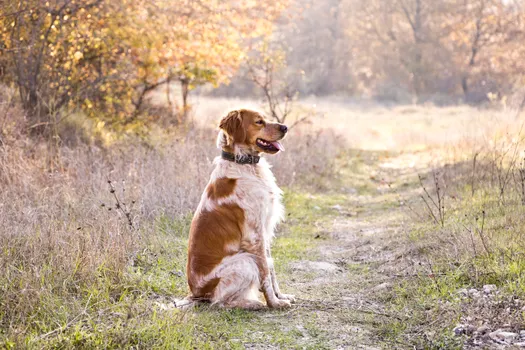
Agile, compact sporting dog with intense field drive, cheerful trainability, and a real need for daily exercise.
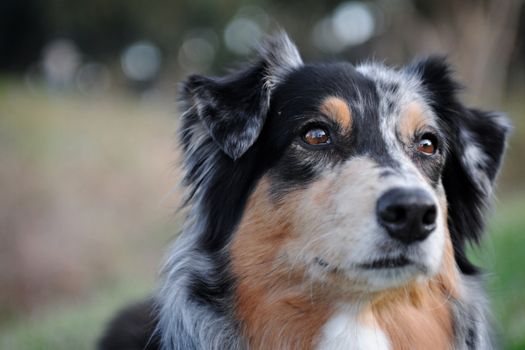
Agile stock dog bred for all-day work; sharp-minded and happiest with a job or intense play.
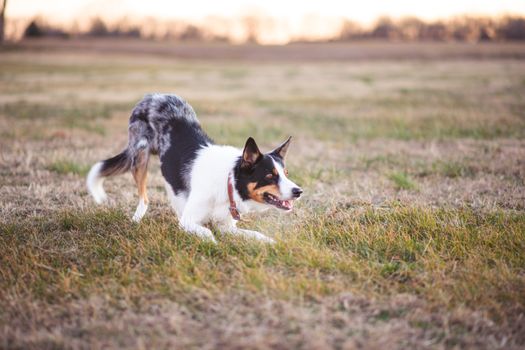
Widely regarded as the world's most intelligent breed; an elite herding dog built for relentless work and intense mental engagement.
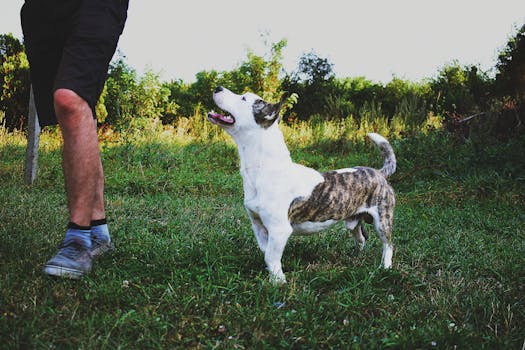
Muscular, playful English breed with a distinctive egg-shaped head; deeply devoted to family but strong-willed and not suitable for first-time owners.
Compare & learn more
Head-to-head comparisons
Relevant guides
Which breed factor do you research first?
Help improve PupWiki with one quick anonymous answer.
Find my breed match →