
Australian Cattle Dog
Exceptionally intelligent Australian herding breed — also known as the Blue Heeler — bred for relentless stamina and independent problem-solving; thrives in working or dog-sport households but becomes destructive and neurotic without sufficient daily challenge.
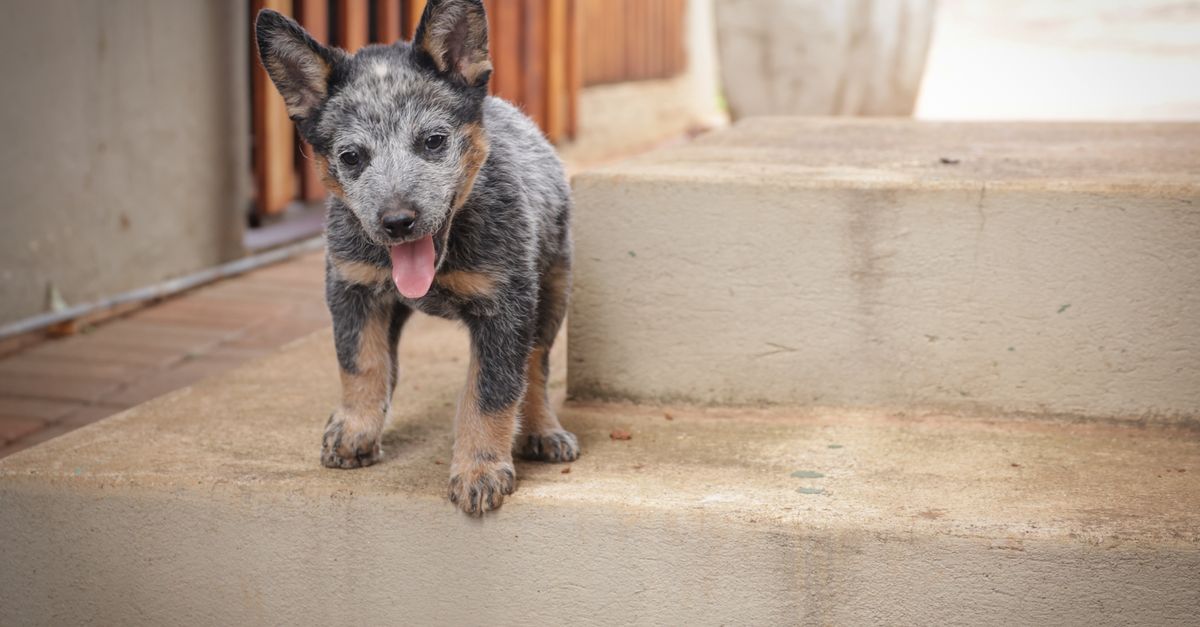
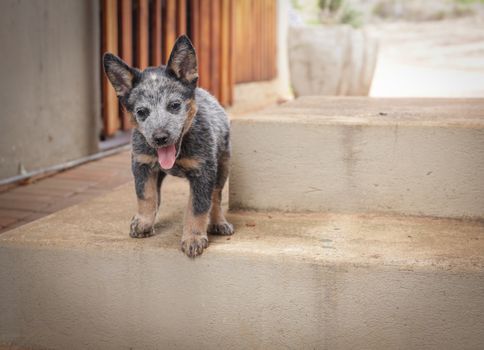
Photo by Magda Ehlers on Pexels
Quick facts: Australian Cattle Dog
- Size
- Medium
- Weight
- 8.2–10.9 kg
- Origin
- Australia
- Life span
- 12–16 years
- Temperament
- Alert, intelligent, loyal, energetic, independent
- Energy level
- Very‑high
- Grooming needs
- Low
- Trainability
- Low
- Apartment fit
- Very‑low
- Typical annual cost
- ~$2,200
Is the Australian Cattle Dog right for you?
Best for
- Active owners committed to dog sports such as agility, flyball, herding trials, or obedience
- Rural or semi-rural households with working roles or extensive outdoor space
- Experienced owners who understand high-drive herding breeds and their mental stimulation requirements
- Individuals or couples who want a loyal, focused, one-person or one-family companion
Not ideal if
- Families with very young children — herding instinct can lead to nipping at heels
- Apartment or urban households without immediate access to extensive outdoor space
- Owners who work long hours and cannot prevent extended periods of under-stimulation
- First-time dog owners — their intelligence, drive, and tenacity demand confident, consistent leadership
One of the most intelligent and capable working breeds in existence — rewarding for active, committed owners who can channel their drive, but a serious mismatch for households expecting a typical family pet.
Trait snapshot
Australian Cattle Dog is part of the Herding Group — see group tendencies →
What owners actually say
ACDs are remarkably intelligent and loyal, but their intense herding drive, endless energy, and need for mental stimulation make them challenging for owners who can't keep up.
- Energy
The ACD is one of the highest-energy dog breeds. Owners consistently report that 2+ hours of structured daily activity is the minimum to prevent destructive behaviour. This is a working breed that genuinely needs work.
- Training
Exceptionally trainable and handler-focused — one of the most intelligent breeds. They excel at agility, obedience, herding trials, and fly ball. Training is not optional; it is how you channel an otherwise overwhelming drive.
- Apartment life
Not suitable for apartments under any circumstances. They need space, outdoor access, and a job. Urban owners with high exercise commitment can manage, but it requires exceptional dedication.
- Health reality
Progressive retinal atrophy and deafness (linked to the merle gene) are breed-specific concerns. BAER hearing tests on puppies and PRA-clear certification of parent dogs are important to verify.
- General
ACDs bond deeply with one or two people and are fiercely loyal. Owners who match their energy and intelligence often describe the breed as the best dog they've ever had — tireless, focused, and completely devoted.
Editorial summary. Phase 3 will add structured owner survey data.
Cost snapshot
Range $1,400–$3,800
Range $2,500–$7,500
After first year
Annual breakdown
Assumptions used:
- Working and sport participation costs — agility, herding trials, or obedience classes are near-essential for this breed's wellbeing
- Mental enrichment tools, puzzle feeders, and training equipment are ongoing costs rather than optional extras
- DNA health testing for PRA and BAER hearing evaluation recommended at the puppy stage
Last reviewed: 2026-06-20
Read full methodology →Health watchlist
Health information is educational only. Always consult your veterinarian.
Progressive retinal atrophy (PRA)
PRA is a heritable condition causing progressive degeneration of the retina, eventually leading to blindness. DNA testing for PRCD-PRA is available and used by responsible breeders to screen parent dogs. Consult your vet if you notice night blindness or reluctance in low light, and ask breeders for DNA clearances.
Hip dysplasia
Hip dysplasia is a documented concern in the Australian Cattle Dog despite their compact, athletic build. OFA or PennHIP screening of parent dogs is recommended. Consult your vet for appropriate screening, particularly if the dog shows reduced hindquarter mobility or reluctance to exercise.
Congenital deafness
Deafness linked to the merle and piebald (white patching) gene is present in the breed; one or both ears may be affected. BAER (brainstem auditory evoked response) testing is available and recommended for breeding stock. Consult your vet for BAER testing if you suspect unilateral or bilateral deafness in a puppy.
Lens luxation
A hereditary eye condition where the lens dislocates. DNA testing is available. Consult your vet for guidance specific to your dog.
Osteochondritis dissecans
Joint cartilage issues can develop, especially during rapid growth. Maintain appropriate growth rate in puppies. Consult your vet for guidance specific to your dog.
Check your fit
Answer a few questions to see how a Australian Cattle Dog fits your household.
Frequently asked questions
Are Australian Cattle Dogs good family pets?
How much exercise does an Australian Cattle Dog need?
Do Australian Cattle Dogs nip or bite?
How much does it cost to own a Australian Cattle Dog?
What health problems are Australian Cattle Dogs prone to?
How much grooming does a Australian Cattle Dog need?
Are Australian Cattle Dogs easy to train?
Are Australian Cattle Dogs good apartment dogs?
Are Australian Cattle Dogs good for first-time owners?
How long do Australian Cattle Dogs live?
Tools for Australian Cattle Dog owners
Similar breeds to the Australian Cattle Dog
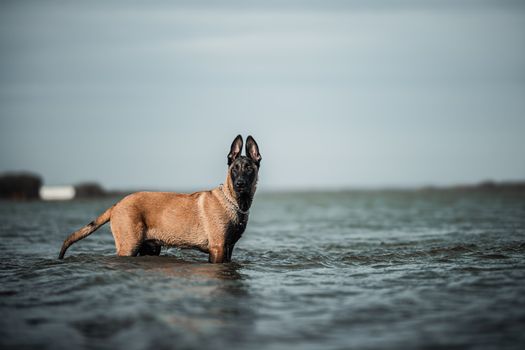
Highly intelligent Belgian herding breed favoured by military and police forces worldwide for its extraordinary trainability and relentless work drive; athletic, loyal, and capable of elite performance — but genuinely unsuitable for inexperienced or sedentary owners.
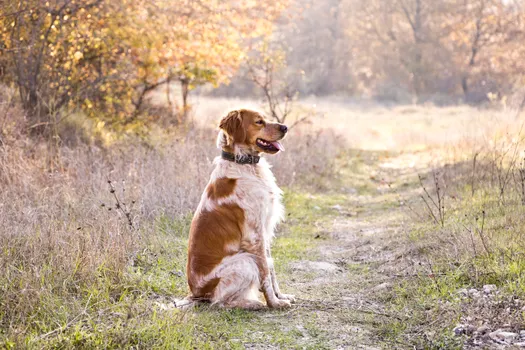
Agile, compact sporting dog with intense field drive, cheerful trainability, and a real need for daily exercise.
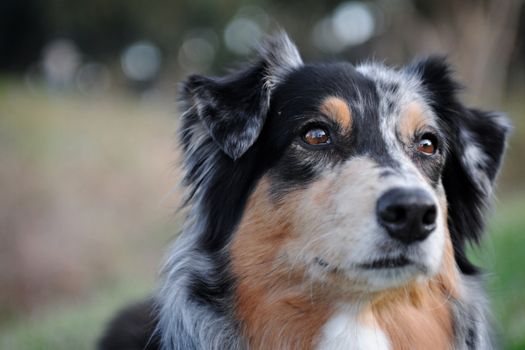
Agile stock dog bred for all-day work; sharp-minded and happiest with a job or intense play.
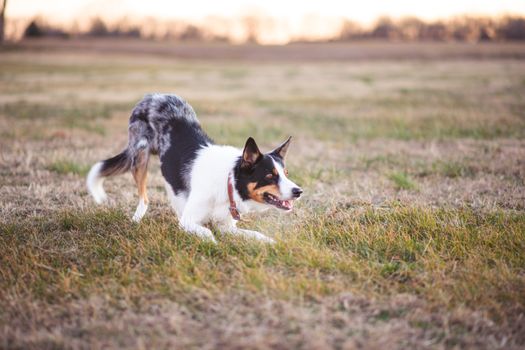
Widely regarded as the world's most intelligent breed; an elite herding dog built for relentless work and intense mental engagement.
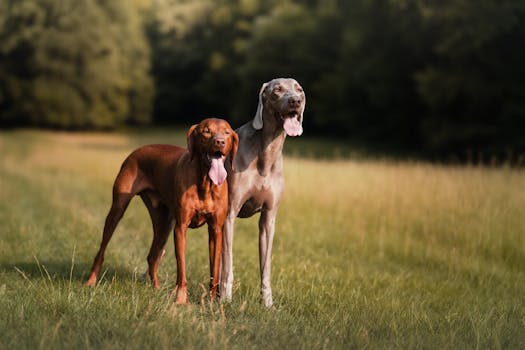
Athletic, deeply affectionate Hungarian sporting dog nicknamed the 'velcro dog'; thrives with active owners but struggles with extended alone time and is not suited to sedentary households.
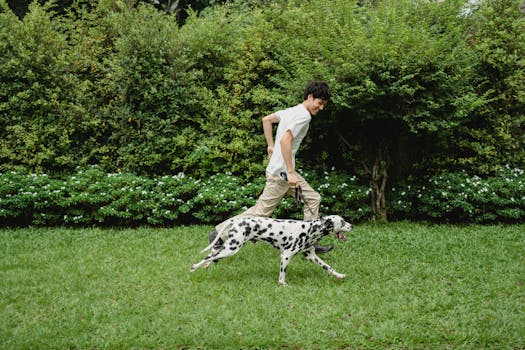
Iconic spotted carriage dog with very high endurance and energy; athletic and loyal but not suitable for sedentary households, first-time owners, or apartment living.
Compare & learn more
Head-to-head comparisons
Relevant guides
Would you choose a breed with higher grooming needs?
Help improve PupWiki with one quick anonymous answer.
Find my breed match →