
Miniature American Shepherd
Compact American herding dog resembling a small Australian Shepherd; bright, agile, loyal, and far more driven than its size suggests.
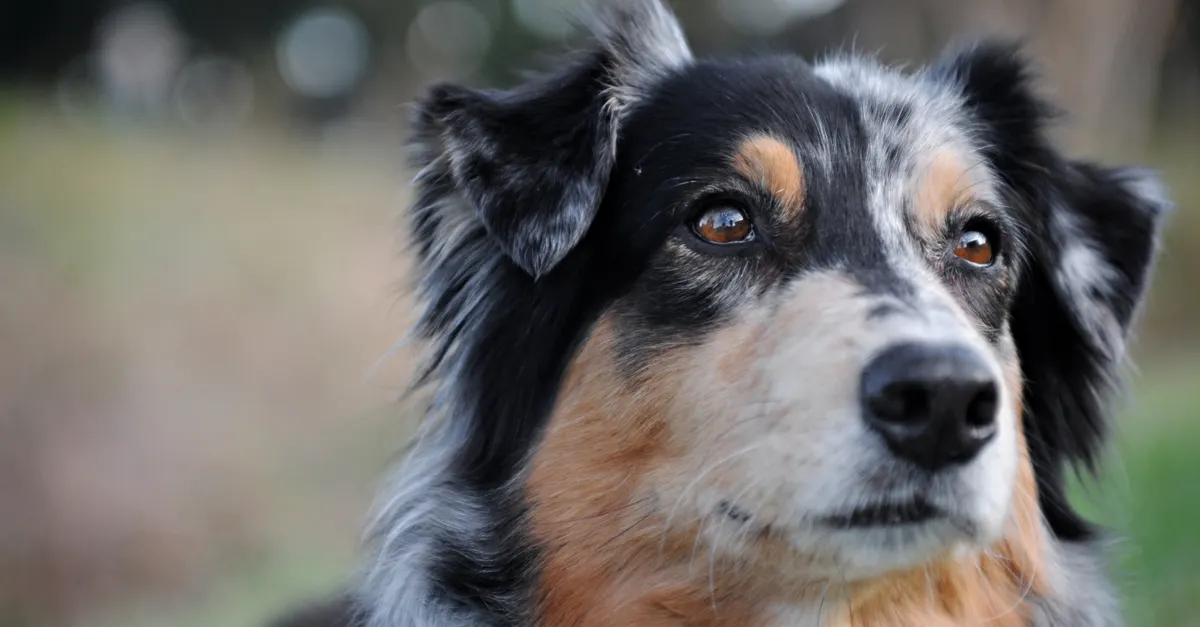
Photo by DΛVΞ GΛRCIΛ on Pexels
Quick facts: Miniature American Shepherd
- Size
- Small
- Weight
- 9.1–18.1 kg
- Origin
- United States
- Life span
- 12–13 years
- Temperament
- Intelligent, energetic, loyal, trainable
- Energy level
- Very‑high
- Grooming needs
- Medium
- Trainability
- Low
- Apartment fit
- Medium
- Typical annual cost
- ~$2,400
Is the Miniature American Shepherd right for you?
Best for
- Active owners wanting a compact sport or training partner
- Agility, obedience, trick-training, or herding-sport households
- Families who can provide structure and daily enrichment
- People who want Australian Shepherd traits in a smaller body
Not ideal if
- You want a low-drive apartment-only dog
- You dislike shedding
- You cannot provide daily training or mental work
- You need a dog that is naturally calm around chaos without socialisation
A small herder with real working instincts — excellent for active training homes, not a casual lapdog substitute.
Trait snapshot
Miniature American Shepherd is part of the Herding Group — see group tendencies →
What owners actually say
Miniature American Shepherd owners love the compact size and trainability, but the most common warning is simple: this is a real herding dog, not a low-drive mini pet.
- Energy
Owners frequently say the breed needs a job. Walks help, but training, games, sports, or structured tasks are what settle the mind.
- Training
Very trainable and quick to learn. The flip side is that under-stimulated dogs learn unwanted routines just as fast.
- Barking
Alert barking and movement-triggered vocalisation can show up, especially in busy apartment or suburban window environments.
- Shedding
The smaller size does not eliminate shedding. Seasonal coat blow and regular brushing are normal.
- Apartment life
Some do well in apartments with serious exercise and training, but the breed is not a low-effort urban companion.
- General
Best owners enjoy teaching, practicing, and giving the dog outlets rather than simply tiring it out physically.
Editorial owner-reality summary based on breed traits, reputable breed-source patterns, and common owner-reported friction points. Phase 3 can replace or augment this with structured PupWiki owner survey data.
Cost snapshot
Range $1,400–$4,300
Range $2,600–$8,500
After first year
Annual breakdown
Assumptions used:
- Small-to-medium food volume
- Training classes and dog-sport fees may be part of the lifestyle
- Routine grooming and seasonal shedding management
- Health testing for eyes, hips, and MDR1 awareness
Last reviewed: 2026-07-02
Read full methodology →Health watchlist
Health information is educational only. Always consult your veterinarian.
MDR1 drug sensitivity
Herding breeds related to Australian Shepherds can carry MDR1 variants affecting medication sensitivity. Ask your vet about testing and medication precautions.
Eye disease
Inherited eye conditions are a key screening area. Responsible breeders use ophthalmic exams and genetic tests where appropriate.
Hip dysplasia
Although compact, the breed can still require orthopedic screening. Maintain lean weight and choose health-tested parents.
Under-stimulation behaviour
Without adequate work, Minis may bark, chase, herd children, or develop anxiety behaviours. Training and enrichment are preventive healthcare for this breed.
Check your fit
Answer a few questions to see how a Miniature American Shepherd fits your household.
Frequently asked questions
Are Miniature American Shepherds good apartment dogs?
Are Miniature American Shepherds like small Australian Shepherds?
Do Miniature American Shepherds shed?
Are Miniature American Shepherds easy to train?
Are Miniature American Shepherds good with kids?
How much exercise do they need?
What health testing matters?
Can they be left alone all day?
Tools for Miniature American Shepherd owners
Similar breeds to the Miniature American Shepherd
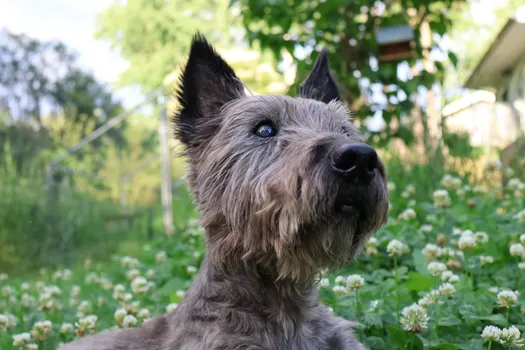
Hardy working terrier with an otter-like head; affectionate and practical, but still driven, diggy, and prey-aware.
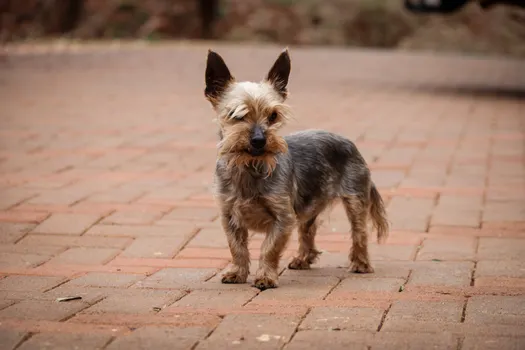
Small rugged terrier from Australia; alert, spirited, loyal, and packed with old-school vermin-hunting grit.
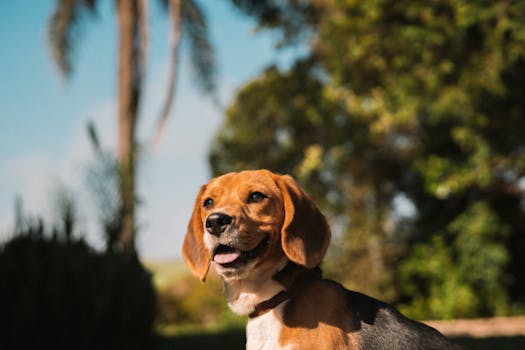
Small pack hound built for endurance and scent work; merry, social, and food-motivated.
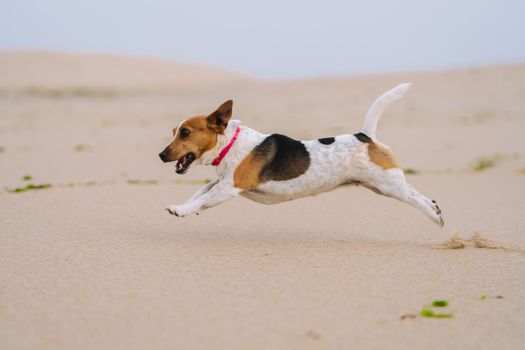
Compact, bold, working terrier bred for fox hunting; explosive energy and intelligence in a small, determined package.
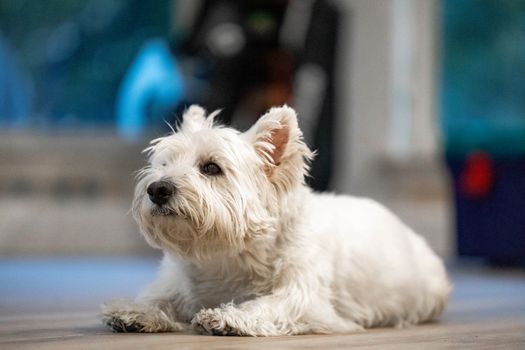
Confident, spirited white terrier with an independent streak; adaptable to apartment or house life but requires patient training and regular grooming.
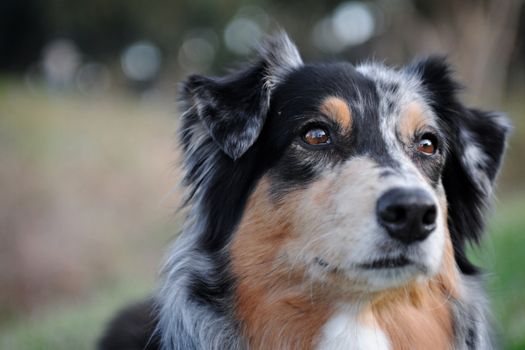
Agile stock dog bred for all-day work; sharp-minded and happiest with a job or intense play.
Compare & learn more
Relevant guides
How important is apartment fit?
Help improve PupWiki with one quick anonymous answer.
Find my breed match →