
Vizsla
Athletic, deeply affectionate Hungarian sporting dog nicknamed the 'velcro dog'; thrives with active owners but struggles with extended alone time and is not suited to sedentary households.
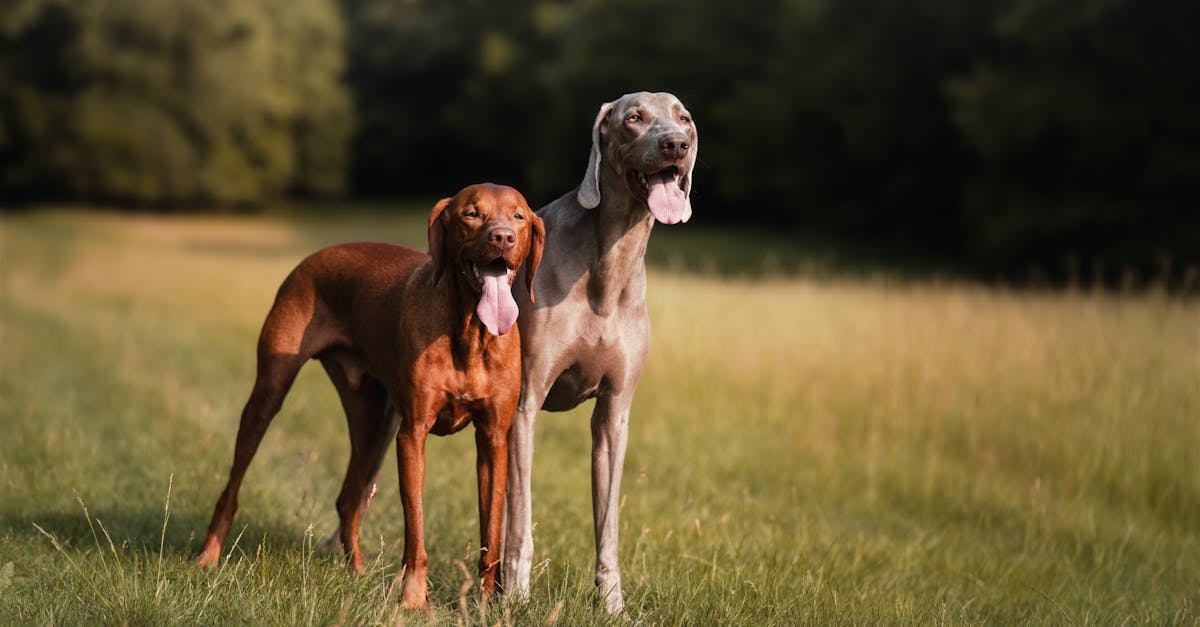
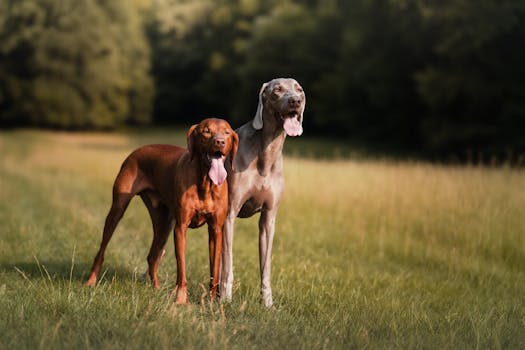
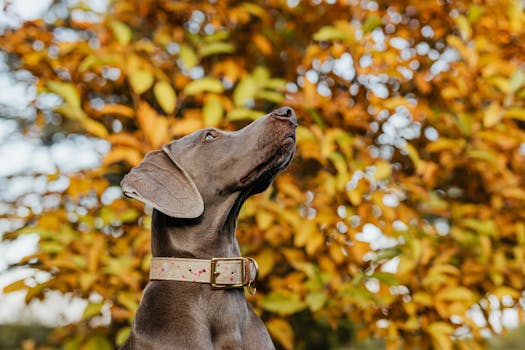
Photo by Nina Kvaltinova on Pexels
Quick facts: Vizsla
- Size
- Medium
- Weight
- 9.1–13.2 kg
- Origin
- Hungary
- Life span
- 12–14 years
- Temperament
- Affectionate, energetic, gentle, responsive
- Energy level
- Very‑high
- Grooming needs
- Very‑low
- Trainability
- Low
- Apartment fit
- Low
- Typical annual cost
- ~$2,200
Is the Vizsla right for you?
Best for
- Active owners who run, hike, or hunt
- Families with children — excellent with kids
- Owners who can be home much of the time (or work from home)
- Those wanting a low-grooming, high-trainability medium breed
Not ideal if
- Owners away from home for long hours daily (very prone to separation anxiety)
- Apartment dwellers without daily outdoor exercise access
- Sedentary households — a bored Vizsla is a destructive Vizsla
- Cold climates without coat protection (thin coat, minimal insulation)
One of the most affectionate sporting breeds — ideal for active families, but separation anxiety and very high exercise needs are defining lifestyle factors.
Trait snapshot
Vizsla is part of the Sporting Group — see group tendencies →
What owners actually say
Vizsla owners describe the most affectionate, people-oriented dog they have ever had — and are unanimous that the separation anxiety risk is the breed's most significant challenge.
- General
The velcro dog reputation is accurate and real. Owners describe a dog that needs to be physically close at all times and is visibly distressed by separation. For those who work from home or bring their dog everywhere, this is wonderful. For those who are away for long hours, it is a significant problem.
- Energy
Very high energy that requires genuine outlet. Owners who run, hike, or hunt describe a perfect companion. Owners with desk jobs in cities describe daily management challenges — the breed needs more than a walk around the block.
- Training
Responds beautifully to positive training. Sensitive and eager to please. Owners with training experience describe rapid progress. The breed seems to find pleasing its owner deeply rewarding.
- Grooming
Essentially no grooming cost. Short, smooth, single coat requires minimal attention. One of the lowest-maintenance coats of any sporting breed. Owners who moved from high-grooming breeds find this a revelation.
- Alone time
Separation anxiety is the breed's Achilles heel. Owners who leave their Vizsla alone for 8+ hours consistently describe destructive behaviour and distress. Daycare, dog walkers, or a partner who is home are the practical solutions owners describe.
- Health reality
Epilepsy risk is higher than many new Vizsla owners expect. The breed's high energy can mask early signs, and owners stress the importance of knowing the difference between excitement tremors and seizure activity.
Editorial summary. Phase 3 will add structured owner survey data.
Cost snapshot
Range $1,400–$3,800
Range $2,500–$7,500
After first year
Annual breakdown
Assumptions used:
- Minimal grooming cost (short single coat)
- Higher activity and enrichment costs
- Potential separation anxiety management (daycare, walker, or training)
Last reviewed: 2026-06-20
Read full methodology →Health watchlist
Health information is educational only. Always consult your veterinarian.
Hip dysplasia
Present at moderate rates in the breed. OFA hip evaluation is standard in responsible breeding programs. Consult your vet.
Epilepsy
Idiopathic epilepsy is well-documented in Vizslas. Ask breeders about family history. Management is available. Consult your vet.
Progressive Retinal Atrophy (PRA)
PRA is present in the breed. CAER annual eye certification and DNA testing are available. Ask breeders about parent eye clearances. Consult your vet.
Skin allergies
Environmental allergies and food sensitivities are relatively common. Watch for persistent scratching. Consult your vet for guidance specific to your dog.
Obesity
Athletic breed that can gain weight if under-exercised. Regular activity and portion control are important. Consult your vet for guidance specific to your dog.
Check your fit
Answer a few questions to see how a Vizsla fits your household.
Frequently asked questions
Why are Vizslas called 'velcro dogs'?
How much exercise does a Vizsla need?
Are Vizslas easy to train?
Can Vizslas tolerate cold weather?
How much does it cost to own a Vizsla?
What health problems are Vizslas prone to?
How much grooming does a Vizsla need?
Are Vizslas good apartment dogs?
Are Vizslas good for first-time owners?
How long do Vizslas live?
Tools for Vizsla owners
Similar breeds to the Vizsla
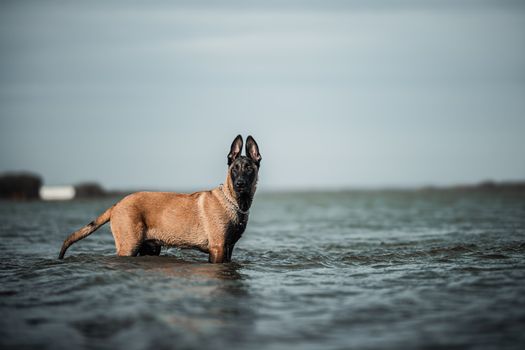
Highly intelligent Belgian herding breed favoured by military and police forces worldwide for its extraordinary trainability and relentless work drive; athletic, loyal, and capable of elite performance — but genuinely unsuitable for inexperienced or sedentary owners.
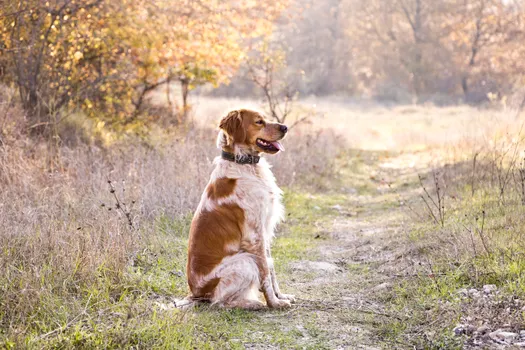
Agile, compact sporting dog with intense field drive, cheerful trainability, and a real need for daily exercise.
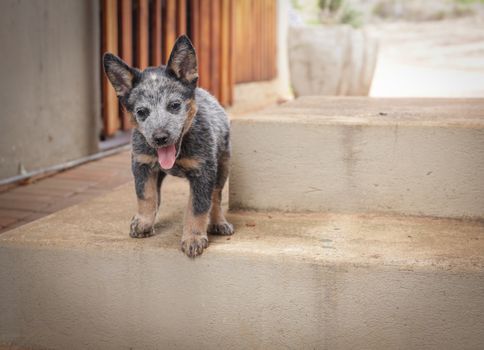
Exceptionally intelligent Australian herding breed — also known as the Blue Heeler — bred for relentless stamina and independent problem-solving; thrives in working or dog-sport households but becomes destructive and neurotic without sufficient daily challenge.
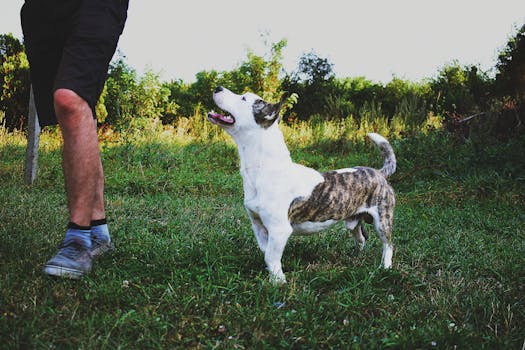
Muscular, playful English breed with a distinctive egg-shaped head; deeply devoted to family but strong-willed and not suitable for first-time owners.
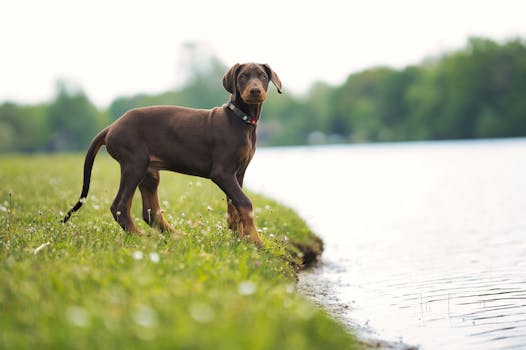
Powerful protection and working breed; highly intelligent, loyal, and among the most trainable dogs when given structure.
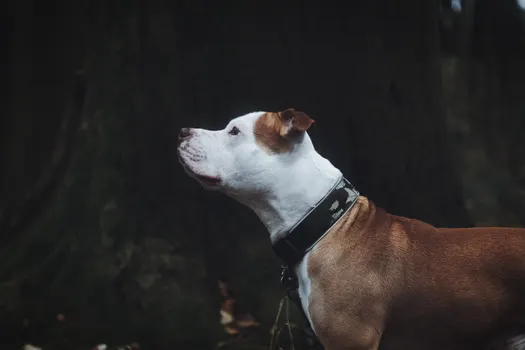
Muscular, people-loving terrier with courage, confidence, and a strong need for responsible socialisation and breed-aware ownership.
Compare & learn more
Head-to-head comparisons
Relevant guides
Which source do you trust most for breed research?
Help improve PupWiki with one quick anonymous answer.
Find my breed match →