
Soft Coated Wheaten Terrier
Happy Irish farm terrier with a silky low-shedding wheaten coat, exuberant greetings, and grooming needs that surprise many owners.
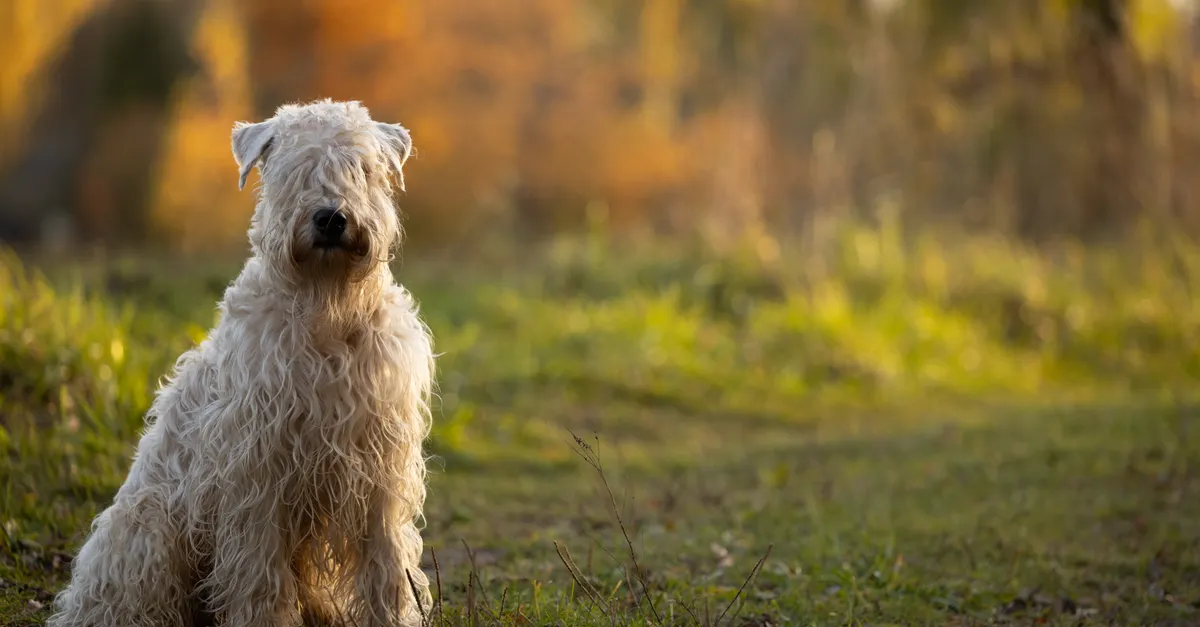
Photo by Audrius Vizbaras on Pexels
Quick facts: Soft Coated Wheaten Terrier
- Size
- Medium
- Weight
- 13.6–18.1 kg
- Origin
- Ireland
- Life span
- 12–14 years
- Temperament
- Happy, friendly, deeply devoted, stubborn, playful
- Energy level
- High
- Grooming needs
- Very‑high
- Trainability
- Medium
- Apartment fit
- Medium
- Typical annual cost
- ~$2,600
Is the Soft Coated Wheaten Terrier right for you?
Best for
- Families wanting a friendly medium terrier with a softer social style
- Owners looking for a low-shedding coat and willing to groom diligently
- Active homes that enjoy walks, play, training, and social outings
- People who want a cheerful companion rather than a hard-edged guard dog
Not ideal if
- You want a low-grooming dog
- You are away most of the day and want a highly independent breed
- You dislike jumping greetings or adolescent exuberance
- You are not prepared for breed-specific kidney/gut health monitoring
A joyful family terrier for active owners who can afford coat care and understand the breed’s protein-loss health risks.
Trait snapshot
What owners actually say
Wheaten owners love the joyful friendliness and low shedding, but grooming and protein-loss health awareness are central realities.
- General
The “Wheaten greeting” is real: owners often love the enthusiasm, but guests and children need training structure around jumping.
- Grooming
Low shedding does not mean low maintenance. Coat mats, professional trims, and home combing are routine parts of ownership.
- Health reality
Protein-losing kidney or gut conditions are the serious breed-specific surprise many shoppers do not know about before researching properly.
- Alone time
They are people-oriented and can struggle with long lonely workdays, especially when young and under-exercised.
- Training
Friendly and trainable, but adolescent exuberance needs impulse-control work. Positive methods fit the breed well.
- Apartment life
Apartment success is possible but not automatic; the breed needs exercise, grooming, barking management, and a way to handle greetings.
Editorial summary based on owner accounts and breed community feedback. Phase 3 can replace or enrich this with structured PupWiki owner survey data.
Cost snapshot
Range $1,400–$5,200
Range $2,600–$9,000
After first year
Annual breakdown
Assumptions used:
- Medium food volume
- Professional grooming and daily coat management expected
- Training investment for jumping, barking, and terrier enthusiasm
- Breed-specific screening and possible specialist diagnostics can raise costs
Last reviewed: 2026-07-02
Read full methodology →Health watchlist
Health information is educational only. Always consult your veterinarian.
Protein-losing nephropathy and enteropathy
The breed has important awareness needs around protein-loss kidney and gut disorders. Ask breeders about health testing and discuss periodic bloodwork/urinalysis with your veterinarian.
Renal and urinary monitoring
Owners should take changes in drinking, urination, weight, appetite, or stool quality seriously and seek veterinary evaluation early.
Skin and ear issues hidden by coat
A soft dense coat can trap moisture and debris. Regular grooming, ear checks, and prompt care for itch or odour help prevent chronic discomfort.
Hip and orthopedic screening
Medium active breeds benefit from lean weight, appropriate exercise, and breeder screening for orthopedic soundness.
Check your fit
Answer a few questions to see how a Soft Coated Wheaten Terrier fits your household.
Frequently asked questions
Are Soft Coated Wheaten Terriers good family dogs?
Do Soft Coated Wheaten Terriers shed?
How much grooming does a Wheaten need?
Are Wheatens easy to train?
Can Wheatens live in apartments?
Do Wheatens like being left alone?
What are the major Wheaten health concerns?
Tools for Soft Coated Wheaten Terrier owners
Similar breeds to the Soft Coated Wheaten Terrier
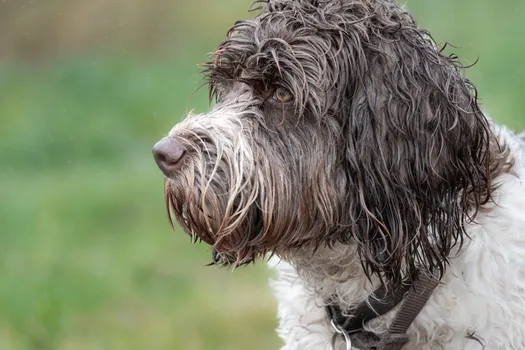
Athletic Portuguese fisherman's helper with a curly or wavy low-shedding coat, strong trainability, and high grooming needs.

Merry, compact sporting spaniel; affectionate and versatile, with silky coat care and meaningful exercise needs.

Original medium-sized German schnauzer: bearded, sporty, watchful, clever, and more intense than many first-time owners expect.
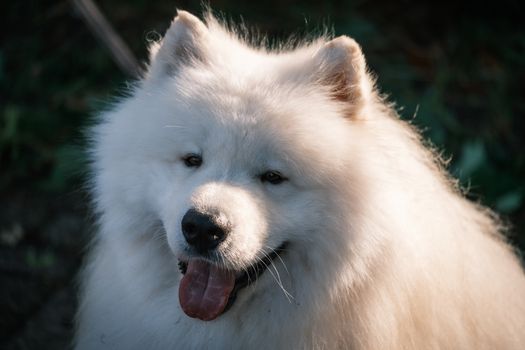
Beautiful white Spitz breed with a warm, sociable temperament; heavy shedding and significant grooming demands are the defining ownership challenge.
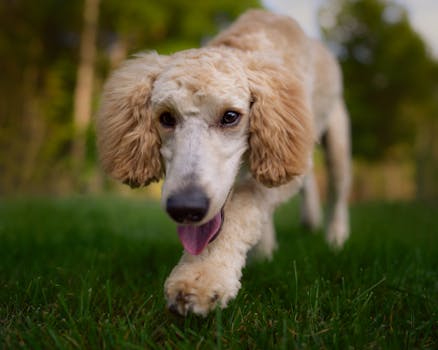
Intelligent water retriever with a hypoallergenic coat; excels in training and varied dog sports.

Elegant ancient sighthound with a dramatic coat, independent mind, sensitive loyalty, and serious grooming commitment.
Compare & learn more
Would a breed fit quiz help you choose?
Help improve PupWiki with one quick anonymous answer.
Find my breed match →