
Samoyed
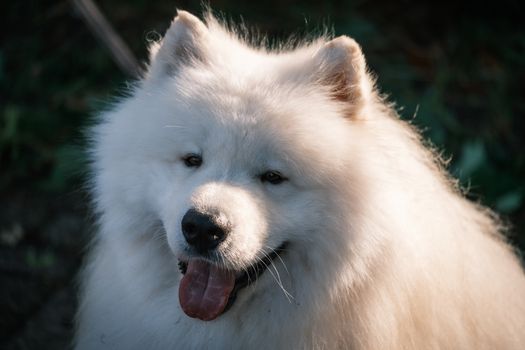
Beautiful white Spitz breed with a warm, sociable temperament; heavy shedding and significant grooming demands are the defining ownership challenge.
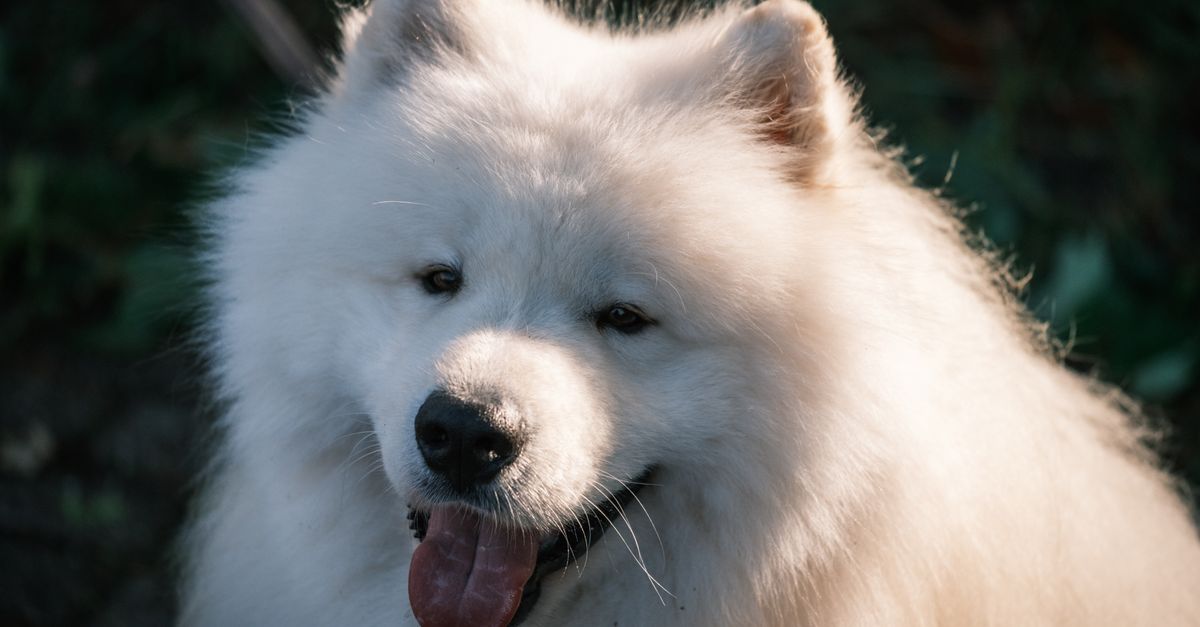
Photo by Haberdoedas Photography on Pexels
Quick facts: Samoyed
- Size
- Medium
- Weight
- 9.1–13.6 kg
- Origin
- Siberia (Russia)
- Life span
- 12–14 years
- Temperament
- Friendly, gentle, adaptable, alert
- Energy level
- High
- Grooming needs
- Very‑high
- Trainability
- Medium
- Apartment fit
- Low
- Typical annual cost
- ~$2,200
Is the Samoyed right for you?
Best for
- Active owners in cold or temperate climates
- Families with children — they are gentle and sociable
- Those who enjoy grooming as part of the breed relationship
- Owners with space and access to outdoor exercise
Not ideal if
- Hot climates — heat intolerance is serious
- Those unable to manage very heavy shedding
- Owners who want a quiet breed (Samoyeds are vocal)
- Those with limited grooming time (daily brushing required)
One of the most beautiful and friendly breeds — plan for near-daily grooming, constant shedding, vocal communication, and heat sensitivity.
Trait snapshot
Samoyed is part of the Working Group — see group tendencies →
What owners actually say
Samoyed owners describe one of the most beautiful, friendly, and joyful breeds — and are entirely candid about the fur management that becomes a defining part of daily life.
- Shedding
The shedding is extraordinary and year-round. Owners describe finding white fur on every surface, piece of clothing, and food item. Seasonal blowing is described as a dedicated household event requiring near-daily grooming.
- General
The friendliness and social warmth of the breed is among the most consistently praised traits. Owners describe a dog that seems genuinely happy most of the time — the 'Samoyed smile' is a real expression that reflects their temperament.
- Barking
Vocal and communicative. Owners describe a breed that barks to alert, to express emotions, and sometimes just to participate in what is happening. In apartments or shared buildings, this requires active management.
- Training
Trainable but independent. Owners describe a dog that learns quickly but applies selective compliance in practice. Consistent, positive training from puppyhood is important. Recall off-lead requires extensive proofing.
- Health reality
The kidney disease risk (hereditary glomerulopathy in males) is something breeders who test for it should be asked about directly. Owners whose dogs developed kidney problems describe it as a serious, ongoing management challenge.
Editorial summary. Phase 3 will add structured owner survey data.
Cost snapshot
Range $1,400–$3,800
Range $2,500–$7,500
After first year
Annual breakdown
Assumptions used:
- High grooming time investment (daily brushing during shedding)
- Professional grooming 3–4 times per year recommended
- Higher enrichment and exercise costs for an active breed
Last reviewed: 2026-06-20
Read full methodology →Health watchlist
Health information is educational only. Always consult your veterinarian.
Hip dysplasia
Present at moderate rates. OFA hip evaluation is standard in responsible breeding programs. Consult your vet.
Samoyed hereditary glomerulopathy
A breed-specific progressive kidney disease affecting male Samoyeds more severely. DNA testing is available. Ask breeders about the status of their breeding stock. Consult your vet.
Progressive Retinal Atrophy (PRA)
CAER annual eye certification and DNA testing are available. Ask breeders about parent eye clearances. Consult your vet.
Diabetes
The breed has above-average diabetes risk. Maintain a healthy weight and watch for increased thirst or urination. Consult your vet for guidance specific to your dog.
Hypothyroidism
Occurs at moderate rates. Routine thyroid panels are recommended. Consult your vet for guidance specific to your dog.
Check your fit
Answer a few questions to see how a Samoyed fits your household.
Frequently asked questions
Do Samoyeds shed a lot?
Are Samoyeds friendly?
Can Samoyeds live in warm climates?
Are Samoyeds easy to train?
How much does it cost to own a Samoyed?
What health problems are Samoyeds prone to?
How much grooming does a Samoyed need?
Are Samoyeds good apartment dogs?
Are Samoyeds good for first-time owners?
Tools for Samoyed owners
Similar breeds to the Samoyed

Athletic Portuguese fisherman's helper with a curly or wavy low-shedding coat, strong trainability, and high grooming needs.
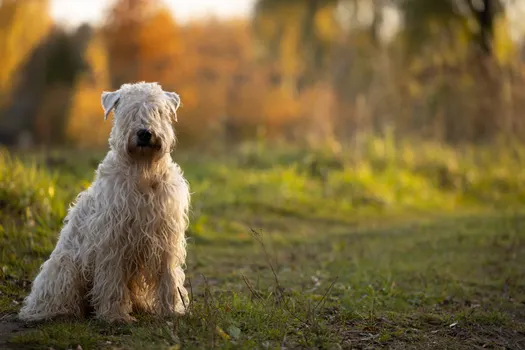
Happy Irish farm terrier with a silky low-shedding wheaten coat, exuberant greetings, and grooming needs that surprise many owners.

Merry, compact sporting spaniel; affectionate and versatile, with silky coat care and meaningful exercise needs.
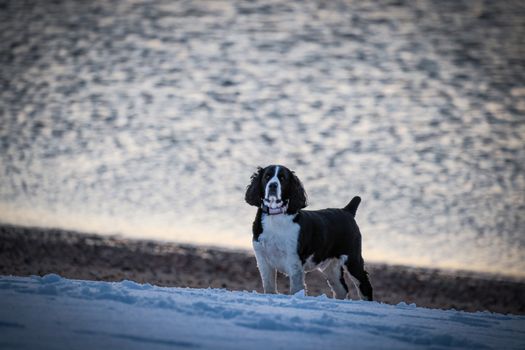
Energetic sporting spaniel bred for flushing and retrieving game; highly trainable, enthusiastic, and family-oriented.
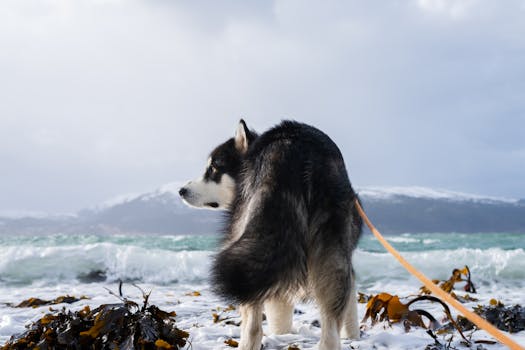
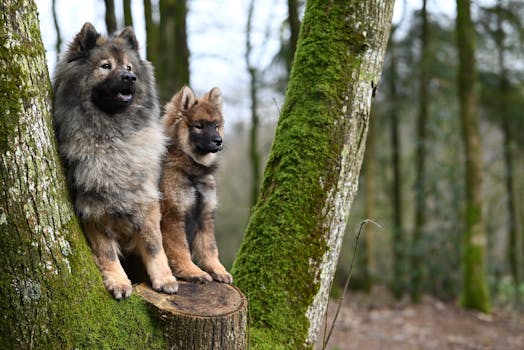
Bold, hardy, and deeply loyal, the Norwegian Elkhound is one of the oldest known breeds — a versatile Nordic hunter and guardian with a thick silver coat, strong independent spirit, and energetic temperament that suits active owners in cooler climates.
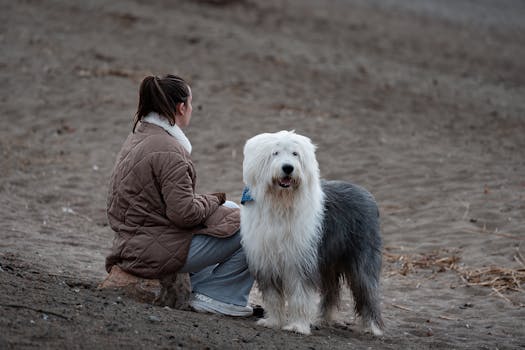
Large, shaggy herding breed known for its distinctive bobtail, playful temperament, and very high grooming demands.
Compare & learn more
Head-to-head comparisons
What matters most for a family dog?
Help improve PupWiki with one quick anonymous answer.
Find my breed match →