
Portuguese Water Dog
Athletic Portuguese fisherman's helper with a curly or wavy low-shedding coat, strong trainability, and high grooming needs.
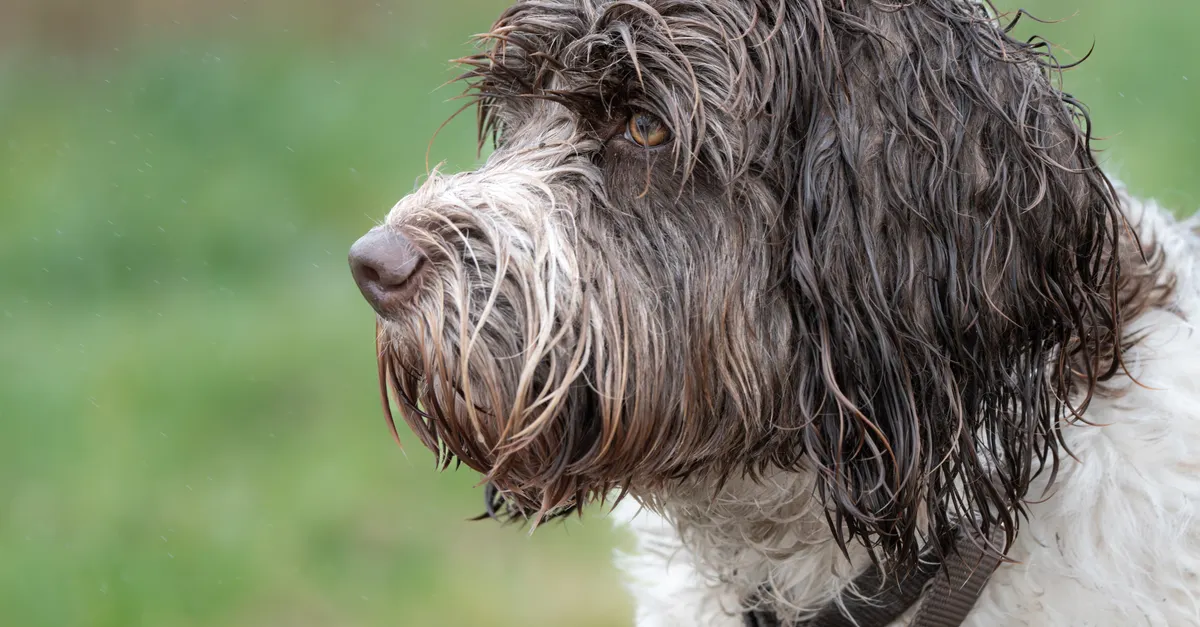
Photo by Karl Byron on Pexels
Quick facts: Portuguese Water Dog
- Size
- Medium
- Weight
- 15.9–27.2 kg
- Origin
- Portugal
- Life span
- 11–13 years
- Temperament
- Bright, biddable, athletic, affectionate
- Energy level
- High
- Grooming needs
- Very‑high
- Trainability
- Low
- Apartment fit
- Medium
- Typical annual cost
- ~$3,000
Is the Portuguese Water Dog right for you?
Best for
- Active families wanting a trainable medium dog
- Owners interested in water work, hiking, obedience, or agility
- Allergy-aware households that understand no breed is truly hypoallergenic
- People prepared for professional coat maintenance
Not ideal if
- You want a low-grooming dog
- You are away for long workdays
- You prefer a calm couch companion with minimal exercise
- You cannot provide mental work and training
A smart, active water dog for owners ready for grooming, training, and daily engagement.
Trait snapshot
Portuguese Water Dog is part of the Working Group — see group tendencies →
What owners actually say
Portuguese Water Dog owners consistently highlight the breed's intelligence, athleticism, and family bond — while warning that the low-shedding coat still means high grooming commitment.
- Grooming
Owners love the low-shedding coat but consistently warn that it is not low-maintenance. Grooming appointments and brushing time are part of the breed's real cost.
- Energy
Young Porties can feel like smart athletes in a furry suit. They need movement, problem-solving, and human interaction most days.
- Training
Training is usually a joy when sessions are upbeat and varied. Repetition without purpose can make them invent their own version of the exercise.
- Alone time
Many owners describe them as very people-attached. Long workdays without dog walkers, daycare, or structured routines can lead to frustration behaviours.
- Apartment life
Apartment fit is possible for committed owners, but the dog needs real outlets. The breed is not a low-energy hypoallergenic apartment shortcut.
- General
The best owner comments describe a funny, athletic, trainable family dog that thrives when treated as a participant rather than a decorative companion.
Editorial summary based on owner accounts, breed-community patterns, and breed-purpose analysis. Phase 3 can replace or supplement these notes with structured owner survey data.
Cost snapshot
Range $1,600–$5,200
Range $3,000–$9,500
After first year
Annual breakdown
Assumptions used:
- Professional grooming every 6–8 weeks for many owners
- Medium active-dog food costs
- Training and enrichment investment recommended
Last reviewed: 2026-07-02
Read full methodology →Health watchlist
Health information is educational only. Always consult your veterinarian.
Hip dysplasia
Responsible breeders may screen hips. Keep weight lean and build exercise gradually, especially during growth. Ask your vet for guidance specific to your dog.
Progressive retinal atrophy and eye screening
Ask breeders about eye exams and inherited eye disease testing. Report night-vision changes, cloudiness, or eye pain promptly. Ask your vet for guidance specific to your dog.
GM1 storage disease carrier awareness
Genetic testing has reduced risk in responsible breeding programs, but buyers should ask breeders for relevant DNA test documentation. Ask your vet for guidance specific to your dog.
Addison's disease awareness
Unexplained vomiting, lethargy, weakness, or appetite changes can have many causes; recurrent episodes deserve veterinary evaluation.
Ear care after swimming
Water-loving dogs need routine ear checks, especially after swimming. Persistent odor, redness, or scratching should be examined by a veterinarian.
Check your fit
Answer a few questions to see how a Portuguese Water Dog fits your household.
Frequently asked questions
Are Portuguese Water Dogs hypoallergenic?
How much grooming does a Portuguese Water Dog need?
Are Portuguese Water Dogs good family dogs?
Can Portuguese Water Dogs live in apartments?
Do Portuguese Water Dogs like swimming?
Are Portuguese Water Dogs easy to train?
What health problems are Portuguese Water Dogs prone to?
How much exercise does a Portuguese Water Dog need?
How long do Portuguese Water Dogs live?
Tools for Portuguese Water Dog owners
Similar breeds to the Portuguese Water Dog

Happy Irish farm terrier with a silky low-shedding wheaten coat, exuberant greetings, and grooming needs that surprise many owners.

Merry, compact sporting spaniel; affectionate and versatile, with silky coat care and meaningful exercise needs.

Original medium-sized German schnauzer: bearded, sporty, watchful, clever, and more intense than many first-time owners expect.
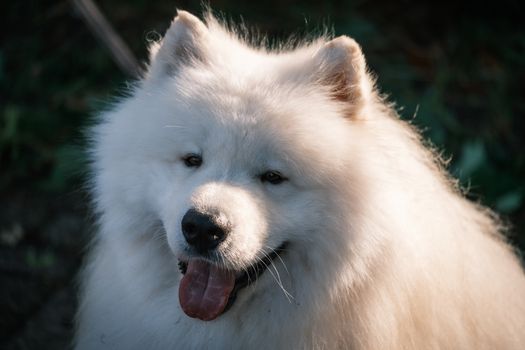
Beautiful white Spitz breed with a warm, sociable temperament; heavy shedding and significant grooming demands are the defining ownership challenge.
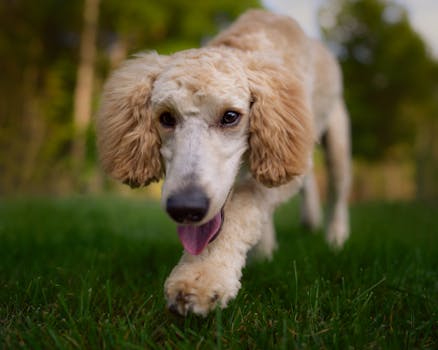
Intelligent water retriever with a hypoallergenic coat; excels in training and varied dog sports.

Elegant ancient sighthound with a dramatic coat, independent mind, sensitive loyalty, and serious grooming commitment.
Compare & learn more
Would a breed fit quiz help you choose?
Help improve PupWiki with one quick anonymous answer.
Find my breed match →