
Anatolian Shepherd
Ancient, fiercely independent livestock guardian from Turkey, bred for millennia to protect flocks from predators without human direction — deeply loyal to their family but challenging for any owner unfamiliar with working livestock guardian dogs.
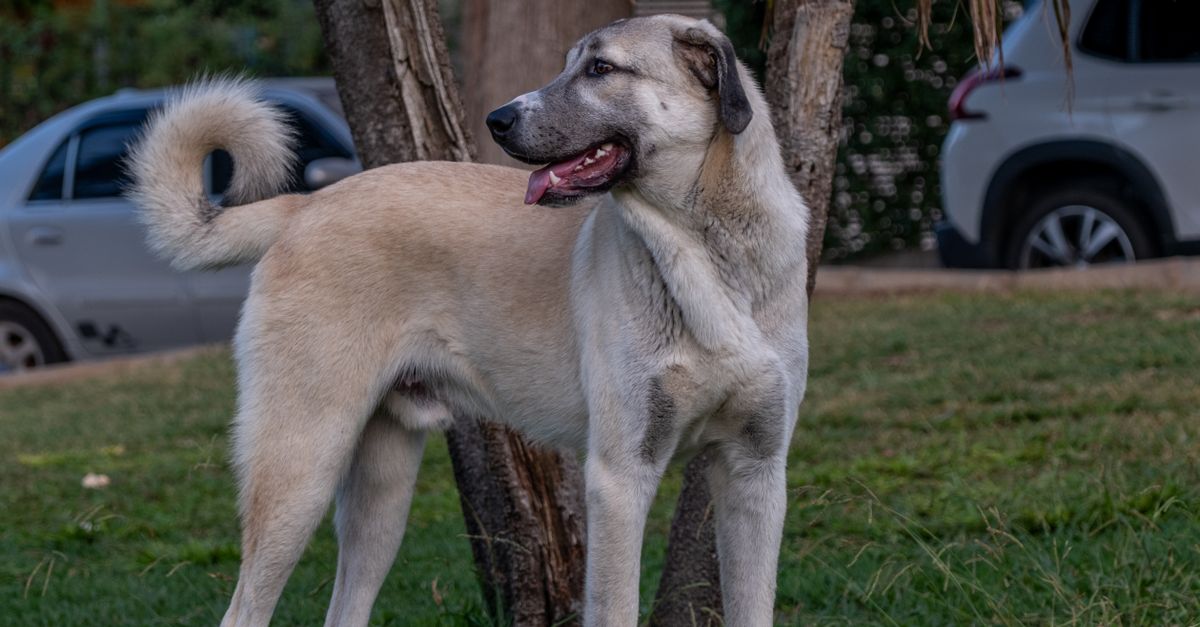
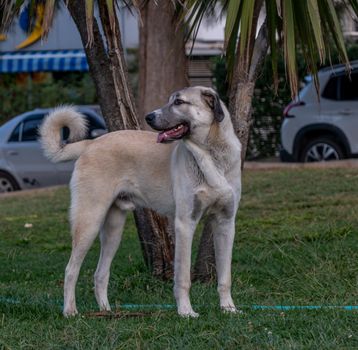
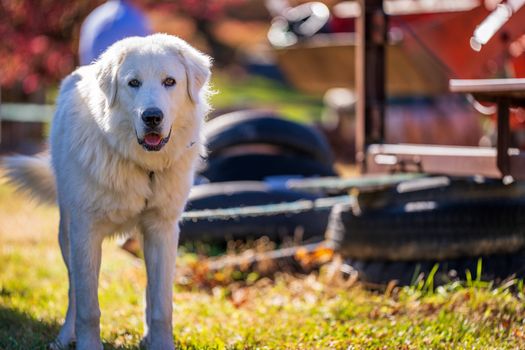
Photo by Doğan Alpaslan Demir on Pexels
Quick facts: Anatolian Shepherd
- Size
- Giant
- Weight
- 36.3–68 kg
- Origin
- Turkey
- Life span
- 11–13 years
- Temperament
- Loyal, independent, protective, alert
- Energy level
- Medium
- Grooming needs
- Low
- Trainability
- High
- Apartment fit
- Very‑low
- Typical annual cost
- ~$3,200
Is the Anatolian Shepherd right for you?
Best for
- Experienced owners with acreage who understand livestock guardian dog psychology
- Rural properties or smallholdings needing a capable, low-maintenance guardian
- Owners who respect independent temperament and do not need a highly obedient companion
- Those prepared to invest in professional training from puppyhood
Not ideal if
- First-time dog owners — Anatolian Shepherds are not forgiving of inexperience
- Families with young children or frequent visitors, given protective territorial instincts
- Urban or suburban households without large, securely fenced outdoor space
- Owners wanting a biddable, easy-to-train companion breed
A powerful, self-reliant guardian breed for experienced owners with land — unsuitable for apartments, novice owners, or households without secure fencing and a clear working role.
Trait snapshot
Build a personalised training plan for your Anatolian Shepherd →
What owners actually say
Anatolian Shepherd owners describe a breed that operates with a completely different psychology to typical companion dogs — deeply independent, instinctively protective, and requiring an owner who understands livestock guardian behaviour rather than expecting family dog responsiveness.
- General
This is a dog that thinks for itself. Owners consistently describe an Anatolian that will make its own assessments about threats, strangers, and boundaries — not because it is defiant, but because independent decision-making is what the breed was designed for. This is not a dog that waits for instruction.
- Training
Basic obedience is achievable with patient, consistent positive training, but owners describe that the Anatolian has an innate cap on compliance that a herding breed or retriever does not. Socialisation from early puppyhood is the most important investment — it determines how manageable the protective instincts are throughout the dog's life.
- General
Nocturnal activity and patrol barking is a breed reality. Owners describe a dog that is often more active at night — circling, barking at sounds, and monitoring the perimeter. Management in suburban settings requires clear boundaries and thoughtful setup.
- Health reality
Generally robust but the giant size brings known risks. Owners describe GDV (bloat) as the primary health concern to plan for, along with the joint management demands that come with a dog of this weight and longevity.
- Alone time
More tolerant of time alone than many working breeds, which fits with the breed's independent history. Owners describe a dog that is not clingy or anxious — but whose sole-charge behaviour requires a well-managed environment to avoid patrol or territorial issues.
Editorial summary. Phase 3 will add structured owner survey data.
Cost snapshot
Range $2,000–$5,500
Range $3,200–$11,000
After first year
Annual breakdown
Assumptions used:
- Giant breed food volumes
- Fencing requirements (high and secure)
- Professional trainer highly recommended
Last reviewed: 2026-06-20
Read full methodology →Health watchlist
Health information is educational only. Always consult your veterinarian.
Hip dysplasia
As a large to giant breed, Anatolian Shepherds are at elevated risk for hip dysplasia, a developmental abnormality of the hip joint that can progress to painful arthritis. OFA or PennHIP screening of parent dogs is important in responsible breeding. Consult your vet.
Bloat (Gastric dilatation-volvulus, GDV)
Deep-chested giant breeds are at significant risk for GDV, a life-threatening condition where the stomach twists after filling with gas. Feeding from ground level, splitting meals into two smaller portions, and avoiding vigorous exercise for an hour around mealtimes reduces risk. Prophylactic gastropexy surgery is an option worth discussing. Consult your vet.
Hypothyroidism
Thyroid dysfunction leading to low metabolism, weight gain, and coat changes is seen in the breed at moderate rates. Annual thyroid screening is reasonable from middle age. Treatment with daily oral supplementation is effective once diagnosed. Consult your vet.
Entropion
Eyelid rolling inward can occur, requiring surgical correction. Watch for excessive tearing or eye irritation. Consult your vet for guidance specific to your dog.
Anaesthesia sensitivity
Like several giant guardian breeds, Anatolians can be sensitive to anaesthesia. Inform your vet of this breed-specific concern before any procedure. Consult your vet for guidance specific to your dog.
Check your fit
Answer a few questions to see how a Anatolian Shepherd fits your household.
Frequently asked questions
Are Anatolian Shepherds good for first-time dog owners?
What is a livestock guardian dog instinct and why does it matter?
How much exercise does an Anatolian Shepherd need?
Are Anatolian Shepherds safe with children?
How much does it cost to own a Anatolian Shepherd?
What health problems are Anatolian Shepherds prone to?
How much grooming does a Anatolian Shepherd need?
Are Anatolian Shepherds easy to train?
Are Anatolian Shepherds good apartment dogs?
Tools for Anatolian Shepherd owners
Similar breeds to the Anatolian Shepherd
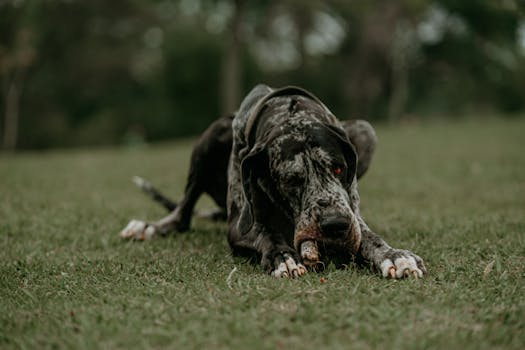
Towering gentle giant with a calm, friendly temperament; affectionate with family but requires significant space and health management.
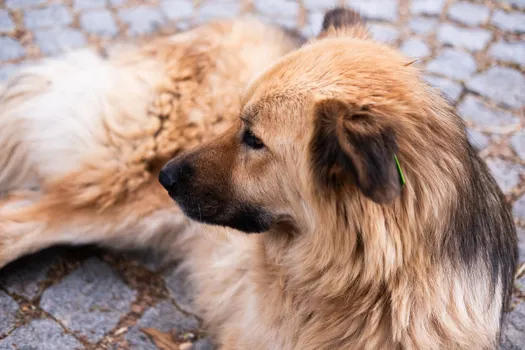
Towering Irish sighthound once used for big game, now prized for a calm, kind temperament and enormous giant-breed care needs.
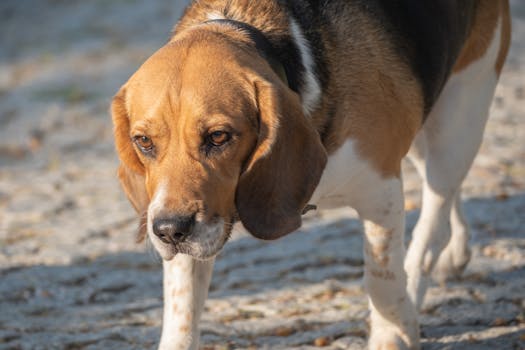
World's finest tracking breed with an extraordinary nose; affectionate and gentle but stubborn, vocal, and prone to following its nose wherever it leads — not a breed for the unprepared.
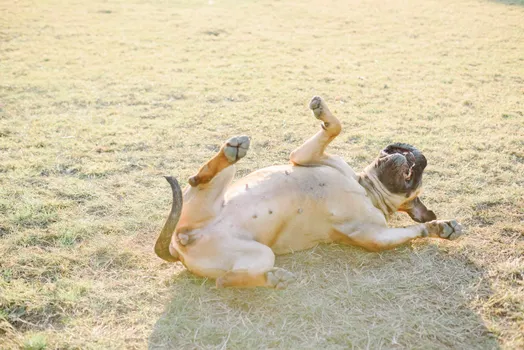
Large English guardian developed to hold poachers; calm and devoted at home but powerful enough to require serious ownership.
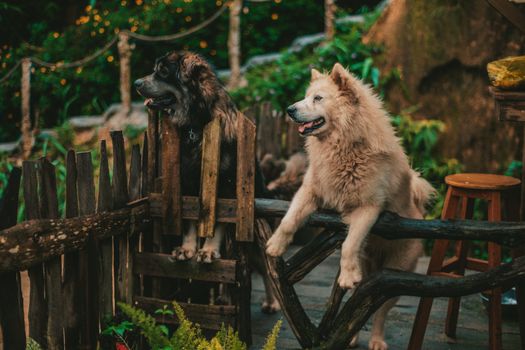
Magnificent, lion-maned gentle giant from Germany, bred as a noble companion and working dog — devoted to family, patient with children, and strikingly trainable for their size, but with a shorter lifespan and significant grooming commitment.
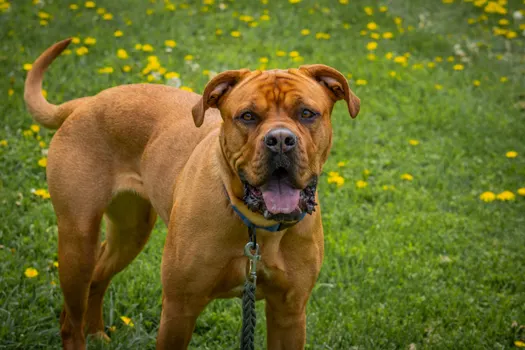
Colossal ancient guardian with a calm, dignified temperament, enormous space and cost needs, and a shorter giant-breed lifespan.
Compare & learn more
Head-to-head comparisons
Relevant guides
Which breed content should PupWiki improve most?
Help improve PupWiki with one quick anonymous answer.
Find my breed match →