
Mastiff
Colossal ancient guardian with a calm, dignified temperament, enormous space and cost needs, and a shorter giant-breed lifespan.
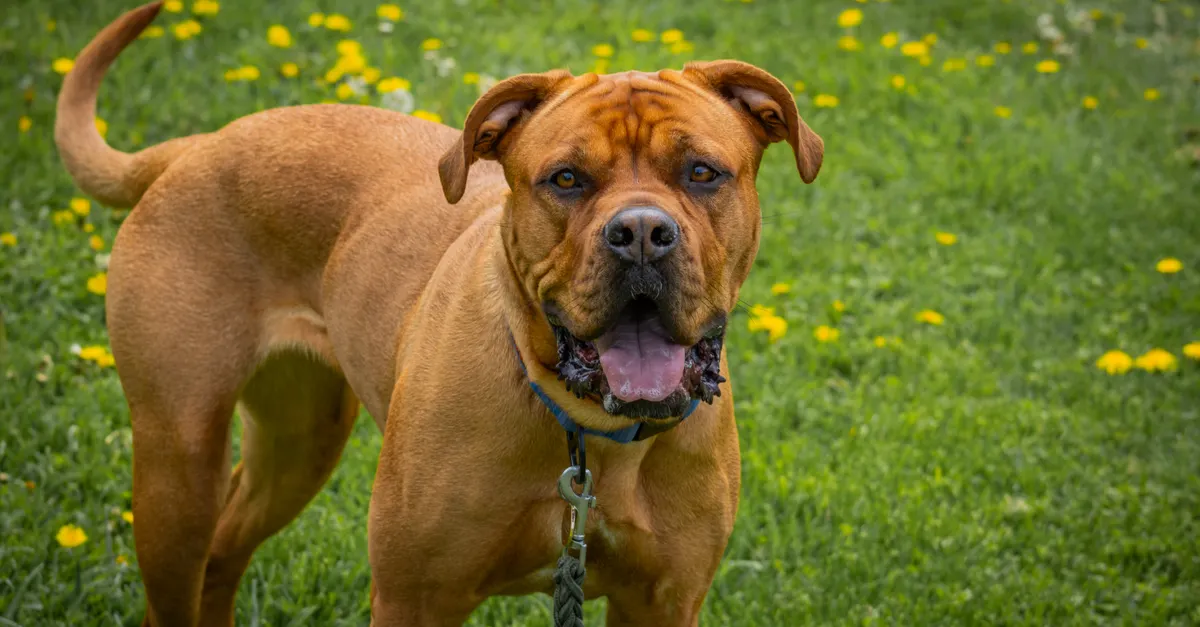
Photo by Nicki Dick on Pexels
Quick facts: Mastiff
- Size
- Giant
- Weight
- 54.4–104.3 kg
- Origin
- England
- Life span
- 6–10 years
- Temperament
- Courageous, dignified, good-natured, calm, protective
- Energy level
- Low
- Grooming needs
- Low
- Trainability
- Medium
- Apartment fit
- Very‑low
- Typical annual cost
- ~$4,200
Is the Mastiff right for you?
Best for
- Experienced large-dog owners with space and strength to manage a giant breed
- Calm homes wanting a devoted guardian presence
- Families prepared for high food, vet, equipment, and transport costs
- Owners who can prioritise slow growth, weight control, and heat management
Not ideal if
- You live in a small space or cannot physically manage a very large dog
- You want a long-lived breed with low medical variability
- You dislike drool, shedding, large messes, or expensive supplies
- You want a high-endurance jogging or hot-weather companion
A gentle but formidable giant for experienced owners who can manage size, drool, cost, heat, and orthopedic risk.
Trait snapshot
Mastiff is part of the Working Group — see group tendencies →
What owners actually say
Mastiff owners praise the calm gentleness, but size, drool, heat, mobility, cost, and short lifespan dominate real-world ownership.
- Energy
Many are calm indoors and do not need intense exercise, but they still need controlled daily movement and weight management.
- Health reality
Owners repeatedly mention giant-breed vet costs: joints, bloat risk, medications, transport, and emergency care are all expensive.
- Apartment life
Even calm Mastiffs are difficult in apartments because of size, stairs, elevators, shared spaces, and emergency mobility.
- General
Fans call them gentle giants, but responsible owners emphasise training before the dog becomes physically impossible to move.
- Grooming
Coat grooming is easy, but drool cleanup, huge bedding, nail care, and bath logistics are not small tasks.
- Alone time
Despite their guardian look, many are emotionally attached and do best as true household companions.
Editorial summary based on owner accounts and breed community feedback. Phase 3 can replace or enrich this with structured PupWiki owner survey data.
Cost snapshot
Range $2,200–$8,500
Range $3,800–$14,500
After first year
Annual breakdown
Assumptions used:
- Very high food volume
- Giant-breed supplies, crates, beds, medication doses, and transport are expensive
- Orthopedic, cardiac, and bloat-related vet costs can be significant
- Professional training recommended because adult size magnifies small behaviour problems
Last reviewed: 2026-07-02
Read full methodology →Health watchlist
Health information is educational only. Always consult your veterinarian.
Hip and elbow dysplasia
Giant breeds need screened parents, slow controlled growth, lean body condition, and careful puppy exercise. Lameness or stiffness deserves prompt veterinary evaluation.
Bloat/GDV
Deep-chested giant breeds can be at risk for life-threatening bloat. Know emergency signs and discuss meal timing and preventive gastropexy with your veterinarian.
Cardiac health
Large and giant breeds benefit from regular wellness exams and breeder cardiac screening. Exercise intolerance, coughing, collapse, or sudden weakness should be assessed quickly.
Heat stress and weight management
Mastiffs can overheat and excess weight worsens joints, breathing, and lifespan. Keep activity cool, controlled, and age-appropriate.
Check your fit
Answer a few questions to see how a Mastiff fits your household.
Frequently asked questions
Are Mastiffs good family dogs?
Are Mastiffs good for first-time owners?
Do Mastiffs need a lot of exercise?
Can Mastiffs live in apartments?
Do Mastiffs drool?
How expensive is a Mastiff to own?
What are the biggest Mastiff health risks?
Tools for Mastiff owners
Similar breeds to the Mastiff
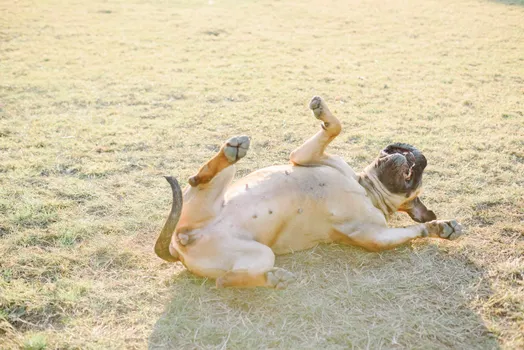
Large English guardian developed to hold poachers; calm and devoted at home but powerful enough to require serious ownership.
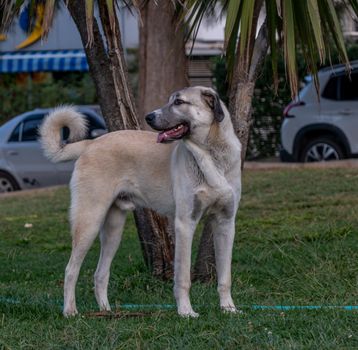
Ancient, fiercely independent livestock guardian from Turkey, bred for millennia to protect flocks from predators without human direction — deeply loyal to their family but challenging for any owner unfamiliar with working livestock guardian dogs.
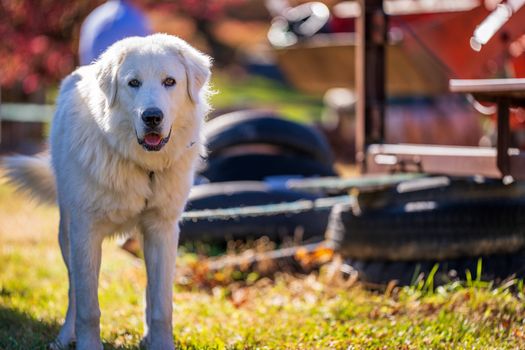
Magnificent large white livestock guardian dog from the Pyrenean mountains; calm, devoted, and patient — but profoundly independent, a heavy shedder, and prone to nocturnal barking rooted in centuries of solo guarding work.
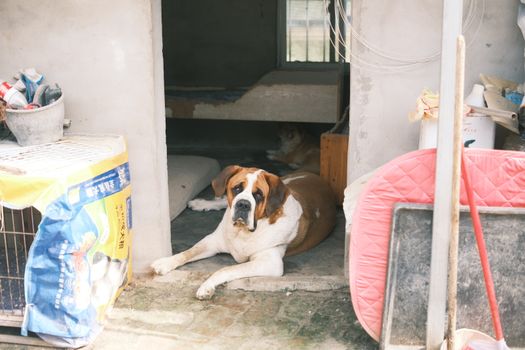
Iconic giant rescue breed with an exceptionally gentle temperament; one of the best family dogs but requires space, cold climate tolerance, and preparation for a shorter lifespan.
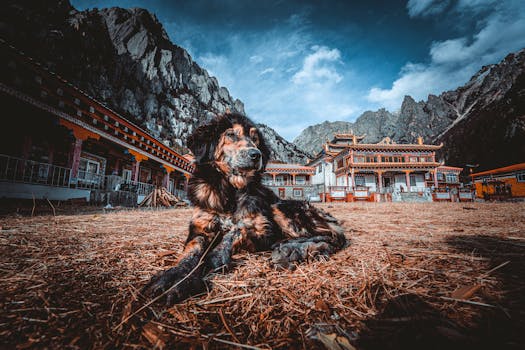
One of the world's most ancient and powerful guardian breeds, the Tibetan Mastiff is an imposing, heavily coated giant bred to guard property and livestock in the Himalayas — deeply loyal to their family but profoundly independent, nocturnal, and challenging for any but the most experienced owners.
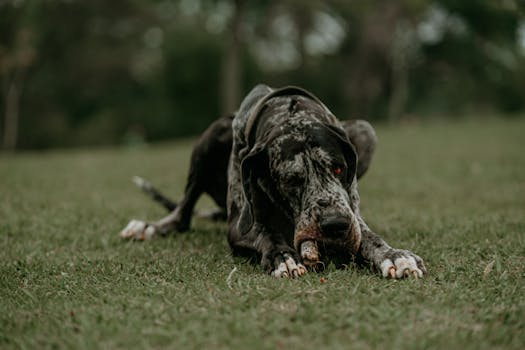
Towering gentle giant with a calm, friendly temperament; affectionate with family but requires significant space and health management.
Would a breed fit quiz help you choose?
Help improve PupWiki with one quick anonymous answer.
Find my breed match →