
Irish Wolfhound
Towering Irish sighthound once used for big game, now prized for a calm, kind temperament and enormous giant-breed care needs.
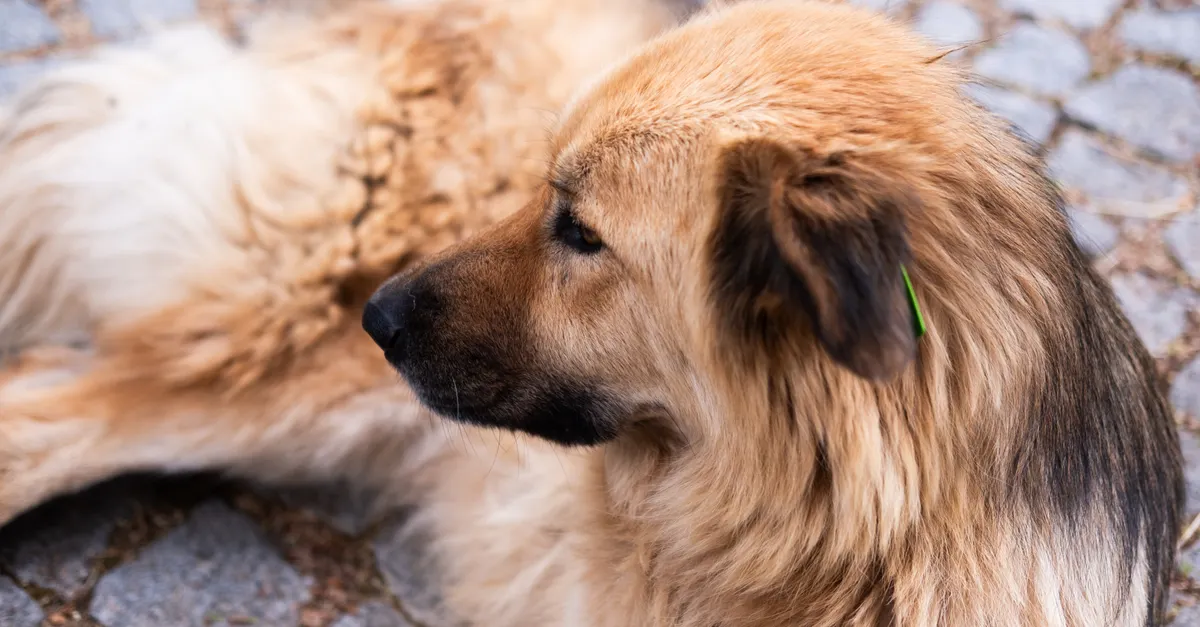
Photo by Doğan Alpaslan Demir on Pexels
Quick facts: Irish Wolfhound
- Size
- Giant
- Weight
- 47.6–81.6 kg
- Origin
- Ireland
- Life span
- 6–8 years
- Temperament
- Dignified, calm, kindly, patient, thoughtful
- Energy level
- Medium
- Grooming needs
- Medium
- Trainability
- Medium
- Apartment fit
- Very‑low
- Typical annual cost
- ~$4,300
Is the Irish Wolfhound right for you?
Best for
- Experienced giant-breed owners with substantial space
- Calm households wanting a gentle, dignified companion
- Owners who understand sighthound recall limits and secure fencing
- Families prepared for high costs and a shorter expected lifespan
Not ideal if
- You want a long-lived breed
- You live in a small apartment or have many stairs
- You need a dog for intense heat, jogging, or rough play
- You cannot afford giant-breed food, equipment, transport, and vet care
A serene giant for owners who can accept short lifespan, huge space needs, and serious cardiac/bloat awareness.
Trait snapshot
Irish Wolfhound is part of the Hound Group — see group tendencies →
What owners actually say
Irish Wolfhound owners describe a gentle, soulful giant, but short lifespan, space, cost, cardiac monitoring, and safe exercise are unavoidable.
- General
Owners often use words like gentle, serene, and heartbreaking — the temperament is a major reward, the short lifespan a major cost.
- Health reality
Cardiac monitoring, bloat awareness, bone cancer vigilance, and growth management are the big health themes owners wish they had understood earlier.
- Apartment life
Their calm nature can mislead shoppers; physically they need room to stretch, easy access, and a home layout that works for a huge dog.
- Energy
They are not hyper, but they need age-appropriate movement and secure space. Forced running or heat exercise is a poor fit.
- Training
Usually kind and manageable, but recall should be treated realistically because sighthound instincts remain.
- Grooming
Coat care is moderate, but everything else is giant scale: beds, crates, vehicles, food, medication doses, and insurance.
Editorial summary based on owner accounts and breed community feedback. Phase 3 can replace or enrich this with structured PupWiki owner survey data.
Cost snapshot
Range $2,200–$9,000
Range $4,000–$15,000
After first year
Annual breakdown
Assumptions used:
- Very high food volume
- Giant-breed equipment and transport costs
- Cardiac, orthopedic, and bloat-related monitoring expected
- Insurance or emergency savings strongly recommended
Last reviewed: 2026-07-02
Read full methodology →Health watchlist
Health information is educational only. Always consult your veterinarian.
Cardiac disease
Irish Wolfhounds are a breed where heart monitoring is especially important. Ask breeders about cardiac screening and discuss routine exams with your veterinarian.
Bloat/GDV
Deep-chested giant breeds can develop life-threatening bloat. Learn emergency signs and discuss meal management and preventive gastropexy with your vet.
Bone cancer and giant-breed pain changes
Persistent lameness, swelling, reluctance to rise, or sudden pain should be evaluated quickly in giant breeds.
Growth and orthopedic management
Puppy growth must be carefully managed with appropriate diet and exercise. Avoid over-conditioning, stairs, and repetitive impact while growing.
Check your fit
Answer a few questions to see how a Irish Wolfhound fits your household.
Frequently asked questions
Are Irish Wolfhounds good family dogs?
How long do Irish Wolfhounds live?
Do Irish Wolfhounds need a lot of exercise?
Can Irish Wolfhounds live in apartments?
Can Irish Wolfhounds be off leash?
Are Irish Wolfhounds expensive?
What health issues matter most for Irish Wolfhounds?
Tools for Irish Wolfhound owners
Similar breeds to the Irish Wolfhound
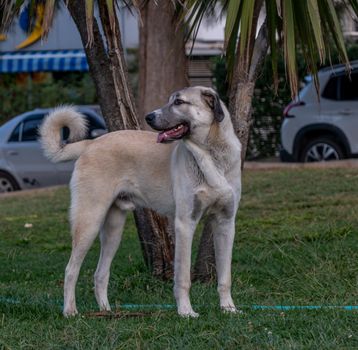
Ancient, fiercely independent livestock guardian from Turkey, bred for millennia to protect flocks from predators without human direction — deeply loyal to their family but challenging for any owner unfamiliar with working livestock guardian dogs.
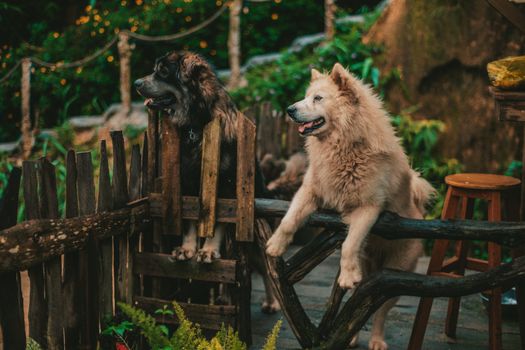
Magnificent, lion-maned gentle giant from Germany, bred as a noble companion and working dog — devoted to family, patient with children, and strikingly trainable for their size, but with a shorter lifespan and significant grooming commitment.
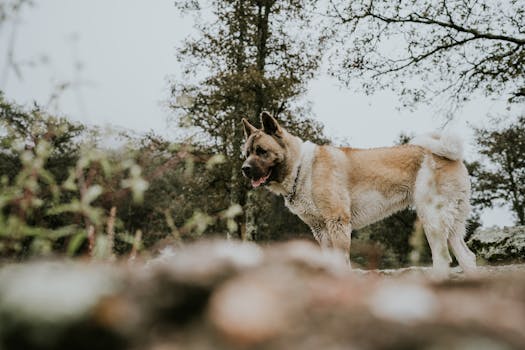
Large, powerful Japanese working breed with fierce loyalty to family and wariness of strangers; not for first-time owners — requires confident, experienced handling.
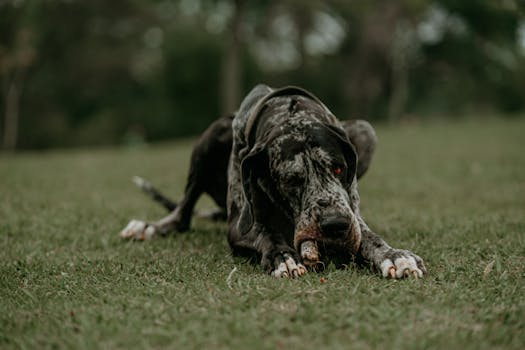
Towering gentle giant with a calm, friendly temperament; affectionate with family but requires significant space and health management.
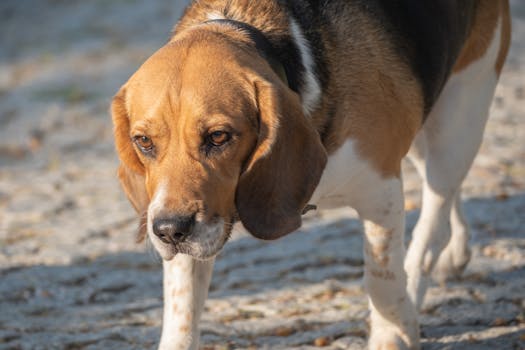
World's finest tracking breed with an extraordinary nose; affectionate and gentle but stubborn, vocal, and prone to following its nose wherever it leads — not a breed for the unprepared.
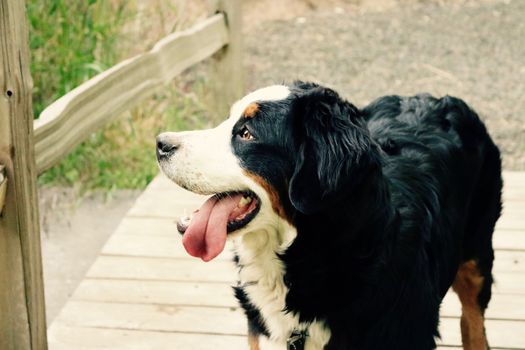
Striking tri-colored Swiss working dog with a gentle, calm temperament; devoted family companion with elevated health and grooming demands.
What would help you avoid choosing the wrong breed?
Help improve PupWiki with one quick anonymous answer.
Find my breed match →