
Bloodhound
World's finest tracking breed with an extraordinary nose; affectionate and gentle but stubborn, vocal, and prone to following its nose wherever it leads — not a breed for the unprepared.
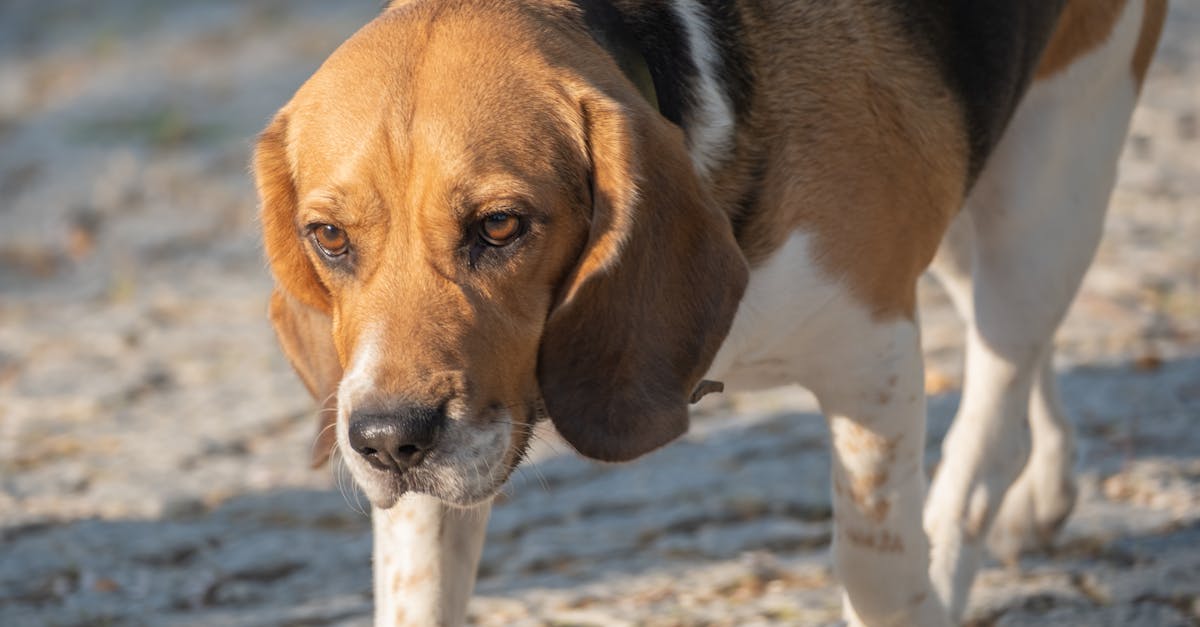
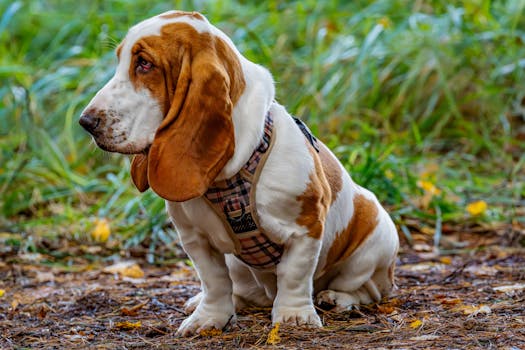
Photo by Doğan Alpaslan Demir on Pexels
Quick facts: Bloodhound
- Size
- Large
- Weight
- 18.1–24.5 kg
- Origin
- Belgium / England
- Life span
- 10–12 years
- Temperament
- Gentle, affectionate, stubborn, inquisitive
- Energy level
- Medium
- Grooming needs
- Low
- Trainability
- High
- Apartment fit
- Very‑low
- Typical annual cost
- ~$2,700
Is the Bloodhound right for you?
Best for
- Experienced owners who understand hound temperament and stubborn independence
- Families with older children wanting a gentle large breed
- Owners with securely fenced outdoor space
- Those who enjoy tracking activities or nosework
Not ideal if
- Apartment dwellers (excessive baying is a major challenge in close quarters)
- First-time owners who expect standard obedience responses
- Owners who need reliable recall off-lead (once on a scent, they are gone)
- Tidy households (heavy drool and ear management required)
The ultimate scent hound — gentle and loveable but famously stubborn, loud, and driven by its nose above all else.
Trait snapshot
Bloodhound is part of the Hound Group — see group tendencies →
What owners actually say
Bloodhound owners describe a gentle, loveable giant with a nose that overrides everything else — the scent drive and stubbornness are features of the breed that no amount of training fully overrides.
- Training
Recall is genuinely unreliable once a scent is picked up. Owners describe a dog that simply cannot hear you when its nose is engaged. Off-lead exercise requires a fully secure area — this is not an exaggeration.
- General
Affectionate and gentle-natured at home. Owners describe a deeply loving, patient breed with children. The intimidating appearance is completely misleading — these are docile, affectionate dogs indoors.
- Grooming
Ear infections are a frequent health cost. The long, pendulous ears trap moisture and require regular cleaning. Owners report this as an unexpected recurring cost — weekly ear checks are standard.
- Barking
The baying voice is distinctive and loud. In shared housing or urban environments, owners describe neighbours as the limiting factor. The baying is instinctive and cannot be trained away.
- Shedding
Moderate shedding but the drool factor is significant. Owners keep cloths everywhere. The combination of drool, the distinctive hound smell, and shedding means the Bloodhound is definitively not a low-maintenance breed.
- Health reality
Ear infections and skin-fold issues are a constant reality. Owners report that regular ear cleaning and fold maintenance become a non-negotiable part of the weekly routine, with occasional vet visits for stubborn infections.
Editorial summary. Phase 3 will add structured owner survey data.
Cost snapshot
Range $1,700–$4,500
Range $2,800–$9,000
After first year
Annual breakdown
Assumptions used:
- Large-breed food volumes
- Ear and skin fold cleaning supplies (ongoing)
- Securely fenced garden required
- Professional training classes beneficial for managing hound independence
Last reviewed: 2026-06-20
Read full methodology →Health watchlist
Health information is educational only. Always consult your veterinarian.
Bloat / GDV
Deep-chested large breed with elevated GDV risk. Discuss prevention strategies and prophylactic gastropexy with your veterinarian.
Hip dysplasia
Present at moderate rates in the breed. OFA evaluation is recommended and used by responsible breeders. Consult your vet.
Ear and skin fold infections
Their characteristic skin folds and long ears require regular cleaning to prevent infection. Weekly ear checks and fold cleaning are part of routine Bloodhound care. Consult your vet for guidance.
Entropion/ectropion
The loose facial skin makes eyelid issues common. Surgical correction may be needed. Consult your vet for guidance specific to your dog.
Obesity
Can gain weight easily with insufficient exercise. Regular weigh-ins and portion control are important. Consult your vet for guidance specific to your dog.
Check your fit
Answer a few questions to see how a Bloodhound fits your household.
Frequently asked questions
Are Bloodhounds good family dogs?
Why do Bloodhounds bay?
Can Bloodhounds be off-lead?
How much do Bloodhounds drool?
How much does it cost to own a Bloodhound?
What health problems are Bloodhounds prone to?
How much grooming does a Bloodhound need?
Are Bloodhounds easy to train?
Are Bloodhounds good apartment dogs?
Are Bloodhounds good for first-time owners?
Tools for Bloodhound owners
Similar breeds to the Bloodhound
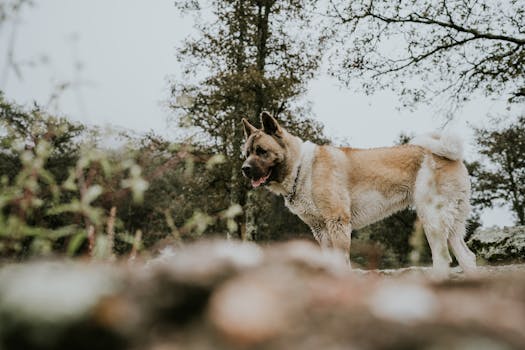
Large, powerful Japanese working breed with fierce loyalty to family and wariness of strangers; not for first-time owners — requires confident, experienced handling.
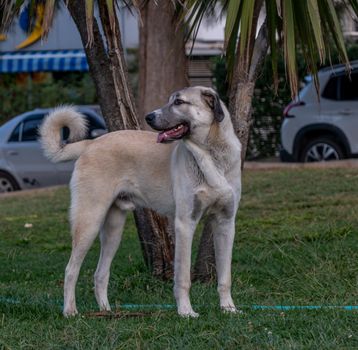
Ancient, fiercely independent livestock guardian from Turkey, bred for millennia to protect flocks from predators without human direction — deeply loyal to their family but challenging for any owner unfamiliar with working livestock guardian dogs.
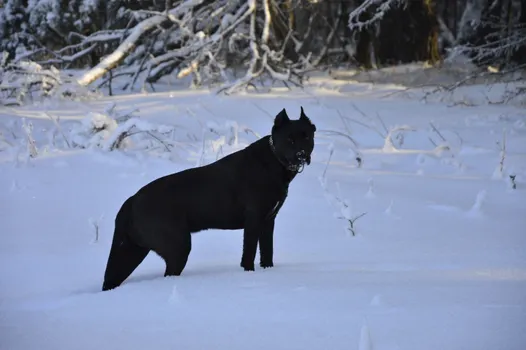
Large Italian mastiff-type guardian; confident, deeply loyal, and powerful, with serious training and management requirements.
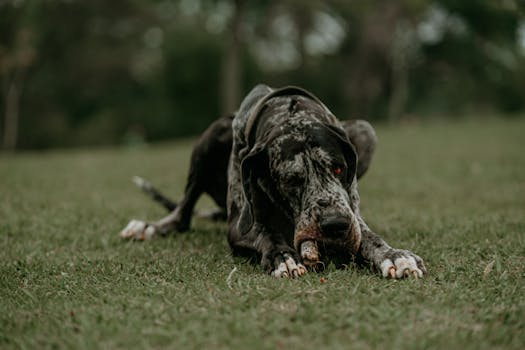
Towering gentle giant with a calm, friendly temperament; affectionate with family but requires significant space and health management.
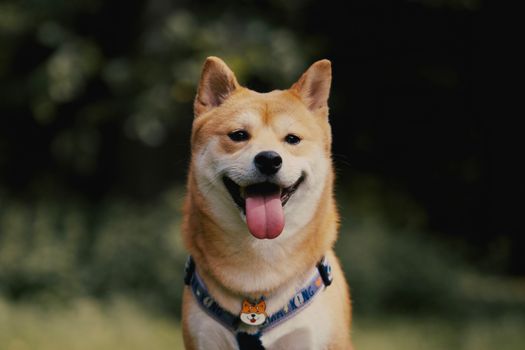
Ancient Japanese spitz-type breed with a foxlike appearance, bold personality, and fierce independence; clean, quiet, and increasingly popular — but not the obedient companion many expect.
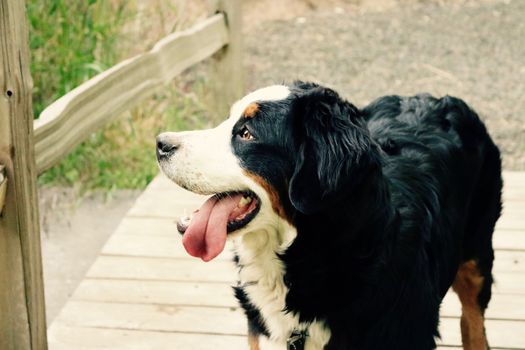
Striking tri-colored Swiss working dog with a gentle, calm temperament; devoted family companion with elevated health and grooming demands.
Compare & learn more
Head-to-head comparisons

Relevant guides
Do you prefer purebred, mixed breed, or either?
Help improve PupWiki with one quick anonymous answer.
Find my breed match →