
Leonberger
Magnificent, lion-maned gentle giant from Germany, bred as a noble companion and working dog — devoted to family, patient with children, and strikingly trainable for their size, but with a shorter lifespan and significant grooming commitment.
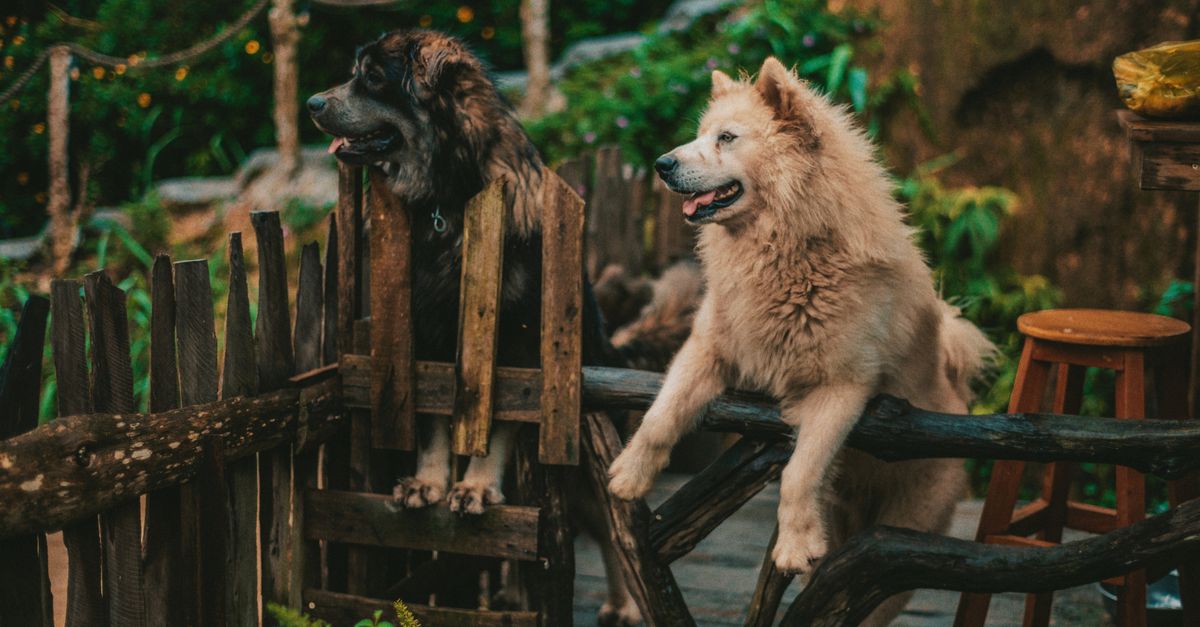
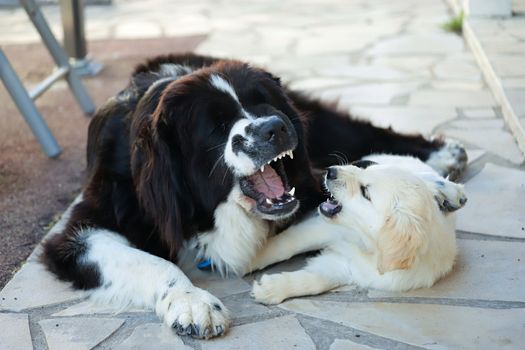
Photo by Đan Thy Nguyễn Mai on Pexels
Quick facts: Leonberger
- Size
- Giant
- Weight
- 49.9–77.1 kg
- Origin
- Germany
- Life span
- 7–10 years
- Temperament
- Gentle, loving, loyal, patient
- Energy level
- Medium
- Grooming needs
- High
- Trainability
- Low
- Apartment fit
- Very‑low
- Typical annual cost
- ~$3,200
Is the Leonberger right for you?
Best for
- Families with children of all ages who want a gentle, confident giant companion
- Active owners with space who can manage heavy coat maintenance
- Households wanting a trainable giant breed with a calm, adaptable temperament
- Owners who can emotionally and financially prepare for a 7–10 year lifespan
Not ideal if
- Owners who cannot tolerate very heavy year-round shedding
- Hot-climate households without air conditioning — heat is poorly tolerated
- Apartment or small-space dwellers — their size and coat needs require real space
- Anyone not prepared for the higher veterinary costs associated with a shorter-lived giant breed
One of the most family-friendly giant breeds — but their short lifespan, heavy shedding, and serious grooming demands require full commitment before you fall for their lion-like looks.
Trait snapshot
Leonberger is part of the Working Group — see group tendencies →
What owners actually say
Leonberger owners describe a gentle, sociable giant that brings an extraordinary warmth to family life — and are candid that the commitment to grooming, feeding, space, and the emotional weight of a short lifespan is something prospective owners must go in with eyes open.
- General
The temperament is everything owners hope for. Gentle, patient, and genuinely sociable — owners consistently describe a dog that is wonderful with children, tolerant with visitors, and calm in the home when its exercise needs are met.
- General
The coat is a serious commitment. Owners describe daily brushing as a non-negotiable during blow season and several times per week at other times. The volume of hair — and the grooming time — surprises people who haven't lived with a heavy double coat before.
- Health reality
The lifespan is the hardest part. Owners describe 7–10 years as the realistic range and the heartbreak of losing a giant dog young as something they knew intellectually but were not emotionally prepared for. The neurological condition LPN (Leonberger polyneuropathy) is also a breed-specific concern that owners in affected lines navigate.
- Training
Responsive and trainable when motivated, but the Leonberger is not an obedience competition dog. Owners describe a good-natured dog that cooperates well when reward-based training is engaging and consistent — and that can be stubborn if bored or if the training relationship is not well established.
- Apartment life
Not suitable for small living spaces. The sheer physical size, grooming output, and exercise requirements make a house with outdoor access practically essential. The cost of feeding a dog of this size is also a recurring theme in owner accounts.
Editorial summary. Phase 3 will add structured owner survey data.
Cost snapshot
Range $2,000–$5,500
Range $3,200–$11,000
After first year
Annual breakdown
Assumptions used:
- Giant breed food volumes
- Professional grooming needed regularly
- LPN screening costs
- Shorter lifespan — higher age-related vet costs earlier
Last reviewed: 2026-06-20
Read full methodology →Health watchlist
Health information is educational only. Always consult your veterinarian.
Leonberger polyneuropathy (LPN)
LPN is a hereditary progressive neurological disease unique to the Leonberger, causing hind-limb weakness and exercise intolerance that worsens over time. A genetic test (LPN1/LPN2) is available and responsible breeders screen all breeding dogs. Ask breeders for documented test results. Consult your vet.
Hip dysplasia
Hip dysplasia is prevalent in the Leonberger at significant rates, and their weight accelerates joint wear. OFA hip evaluation is standard in responsible breeding programs. Maintaining a lean body weight throughout life meaningfully reduces the severity of associated arthritis. Consult your vet.
Bloat (Gastric dilatation-volvulus, GDV)
As a deep-chested giant breed, the Leonberger is at elevated risk for GDV — a life-threatening emergency requiring immediate surgery. Preventive measures include twice-daily feeding, avoiding exercise around meals, and discussing prophylactic gastropexy with your vet at the time of neutering. Consult your vet.
Osteosarcoma
Giant breeds have elevated bone cancer risk. Report any unexplained limping or swelling to your vet promptly. Consult your vet for guidance specific to your dog.
Hypothyroidism
Can develop with age. Routine thyroid panels are recommended. Consult your vet for guidance specific to your dog.
Check your fit
Answer a few questions to see how a Leonberger fits your household.
Frequently asked questions
How long do Leonbergers live?
How much grooming does a Leonberger need?
Are Leonbergers good with children?
Do Leonbergers handle heat well?
How much does it cost to own a Leonberger?
What health problems are Leonbergers prone to?
Are Leonbergers easy to train?
Are Leonbergers good apartment dogs?
Are Leonbergers good for first-time owners?
Tools for Leonberger owners
Similar breeds to the Leonberger
Towering Irish sighthound once used for big game, now prized for a calm, kind temperament and enormous giant-breed care needs.
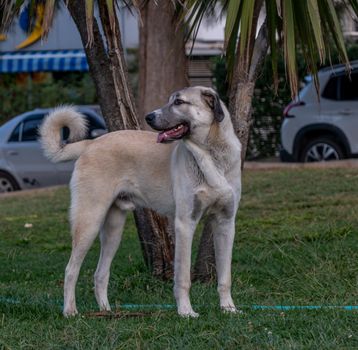
Ancient, fiercely independent livestock guardian from Turkey, bred for millennia to protect flocks from predators without human direction — deeply loyal to their family but challenging for any owner unfamiliar with working livestock guardian dogs.
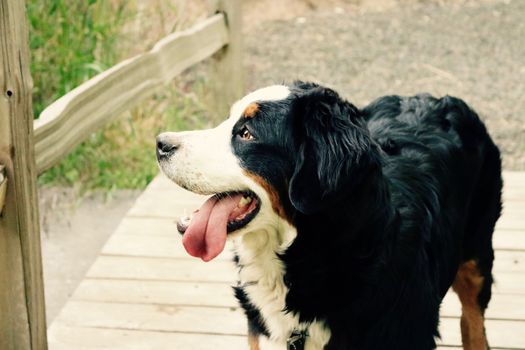
Striking tri-colored Swiss working dog with a gentle, calm temperament; devoted family companion with elevated health and grooming demands.
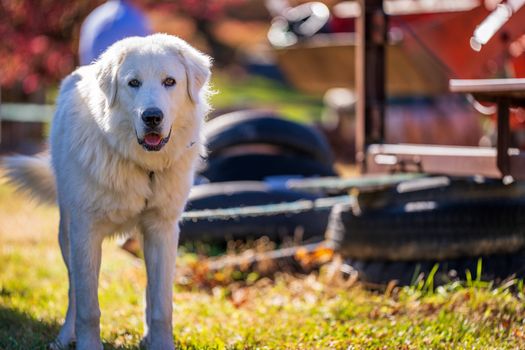
Magnificent large white livestock guardian dog from the Pyrenean mountains; calm, devoted, and patient — but profoundly independent, a heavy shedder, and prone to nocturnal barking rooted in centuries of solo guarding work.
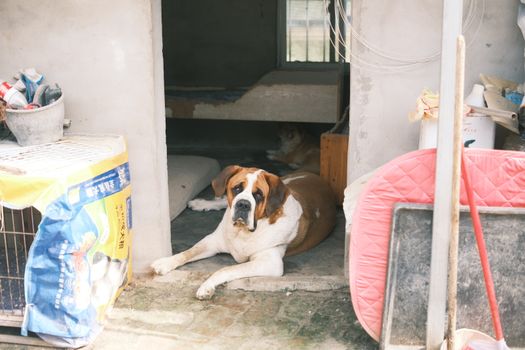
Iconic giant rescue breed with an exceptionally gentle temperament; one of the best family dogs but requires space, cold climate tolerance, and preparation for a shorter lifespan.
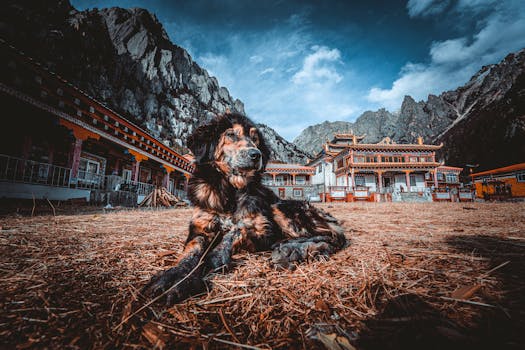
One of the world's most ancient and powerful guardian breeds, the Tibetan Mastiff is an imposing, heavily coated giant bred to guard property and livestock in the Himalayas — deeply loyal to their family but profoundly independent, nocturnal, and challenging for any but the most experienced owners.
Compare & learn more
Head-to-head comparisons
What type of dog personality fits your home best?
Help improve PupWiki with one quick anonymous answer.
Find my breed match →