
Great Dane
Towering gentle giant with a calm, friendly temperament; affectionate with family but requires significant space and health management.
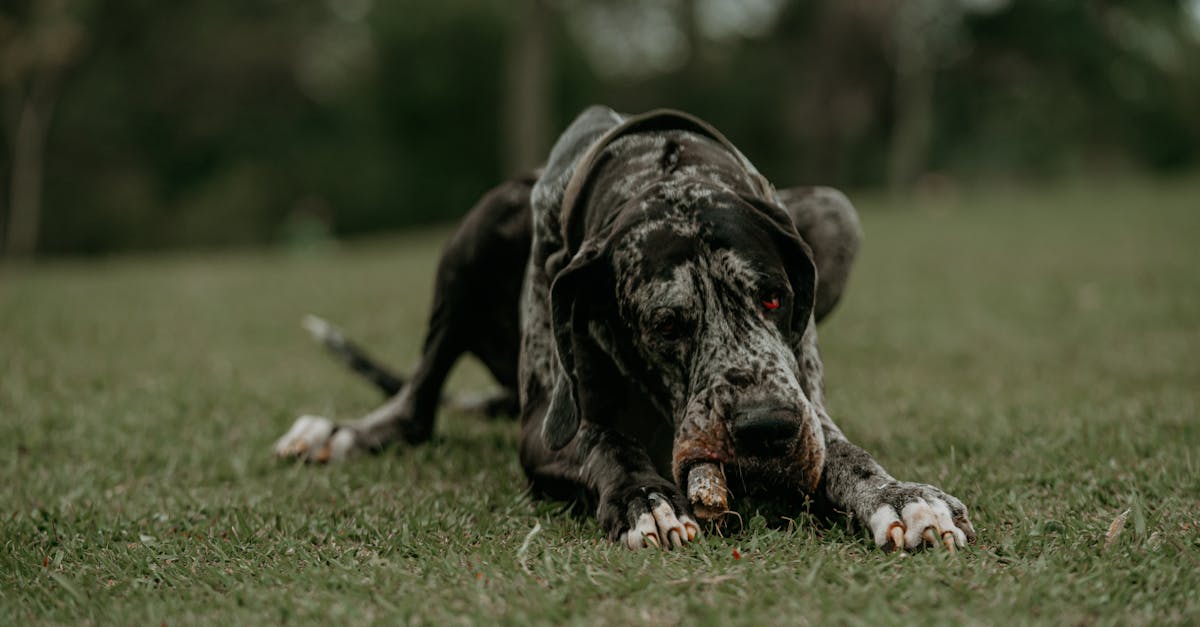
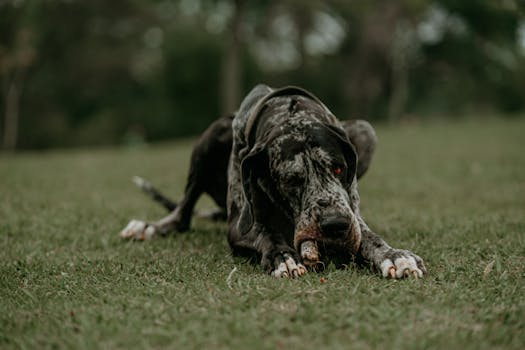
Photo by Làura Ronchinni on Pexels
Quick facts: Great Dane
- Size
- Giant
- Weight
- 22.7–37.2 kg
- Origin
- Germany
- Life span
- 7–10 years
- Temperament
- Friendly, patient, dependable, gentle
- Energy level
- Medium
- Grooming needs
- Very‑low
- Trainability
- Medium
- Apartment fit
- Very‑low
- Typical annual cost
- ~$3,200
Is the Great Dane right for you?
Best for
- Owners with large homes and yards
- Families seeking a gentle, low-energy indoor companion
- Experienced owners prepared for giant-breed health management
Not ideal if
- Apartment or small-space living
- Owners unprepared for giant-breed vet costs
- Those seeking a long-lived breed (typical lifespan 7–10 years)
- First-time dog owners unfamiliar with giant-breed feeding protocols
Calm, affectionate giant for spacious homes — short lifespan and high GDV risk require informed commitment.
Trait snapshot
Great Dane is part of the Working Group — see group tendencies →
What owners actually say
Great Dane owners are consistently in love with their gentle giants — and consistently surprised by how much space, food, and veterinary commitment the breed demands.
- General
The 'gentle giant' reputation is accurate. Despite their imposing size, owners describe a calm, affectionate, almost lazy indoor companion — one that would happily spend most of the day on the couch.
- Health reality
Bloat is the health concern every Great Dane owner learns about fast. Many owners have a vet plan in place before they even bring the puppy home. Prophylactic gastropexy is a serious conversation to have early.
- Grooming
Food costs catch new owners off guard. This is not a budget breed to feed. Daily consumption is significant, and large-breed-appropriate food is important during growth stages.
- Training
Training early is non-negotiable for a dog this size. An untrained Great Dane that jumps, pulls, or bolts is a safety risk. Most owners describe leash and impulse training as essential from day one.
- Alone time
Relatively tolerant of moderate alone time compared to higher-drive breeds. Owners describe them as calm and undemanding indoors, though puppies can be surprisingly destructive.
Editorial summary. Phase 3 will add structured owner survey data.
Cost snapshot
Range $2,000–$5,500
Range $3,200–$11,000
After first year
Annual breakdown
Assumptions used:
- Giant-breed food volumes (significantly higher food cost)
- Gastropexy surgery at spay/neuter adds one-time cost
- Large vet bills for potential GDV emergency if gastropexy not performed
Last reviewed: 2026-06-20
Read full methodology →Health watchlist
Health information is educational only. Always consult your veterinarian.
Bloat / Gastric dilatation-volvulus (GDV)
Great Danes have one of the highest GDV rates of any breed. Prophylactic gastropexy is strongly recommended at time of spay/neuter. Consult your veterinarian.
Dilated cardiomyopathy (DCM)
Cardiac disease is a leading cause of death in the breed. Cardiac screening by a board-certified veterinary cardiologist is recommended. Consult your vet.
Hip dysplasia and osteosarcoma
Giant breeds have elevated rates of hip dysplasia and bone cancer. OFA screening and regular orthopedic checks are important. Consult your vet.
Wobbler syndrome
Cervical vertebral instability can affect large breeds. Watch for unsteady gait or neck pain. Consult your vet for guidance specific to your dog.
Hypothyroidism
Can develop with age. Routine thyroid screening is recommended for older dogs. Consult your vet for guidance specific to your dog.
Check your fit
Answer a few questions to see how a Great Dane fits your household.
Frequently asked questions
How much exercise does a Great Dane need?
Are Great Danes good apartment dogs?
What is bloat and how serious is it in Great Danes?
How long do Great Danes typically live?
How much does it cost to own a Great Dane?
What health problems are Great Danes prone to?
How much grooming does a Great Dane need?
Are Great Danes easy to train?
Are Great Danes good for first-time owners?
Tools for Great Dane owners
Similar breeds to the Great Dane
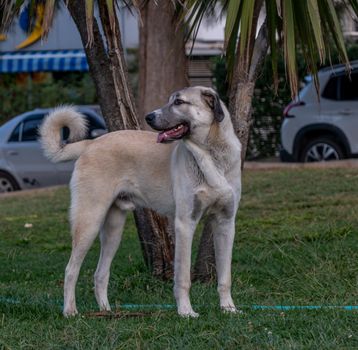
Ancient, fiercely independent livestock guardian from Turkey, bred for millennia to protect flocks from predators without human direction — deeply loyal to their family but challenging for any owner unfamiliar with working livestock guardian dogs.
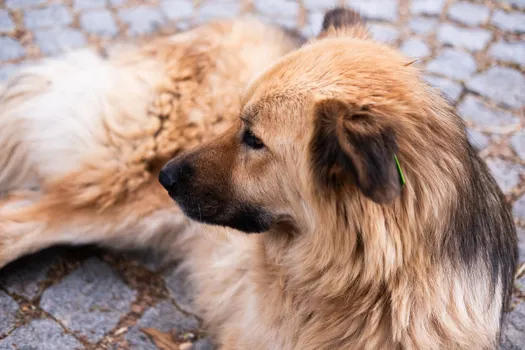
Towering Irish sighthound once used for big game, now prized for a calm, kind temperament and enormous giant-breed care needs.
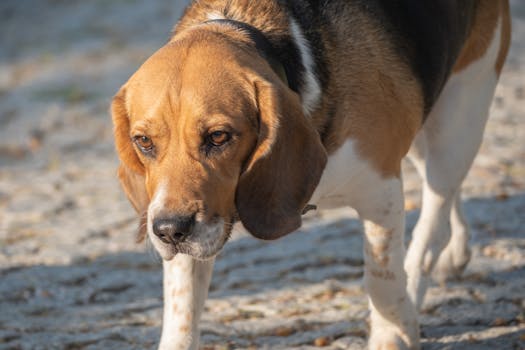
World's finest tracking breed with an extraordinary nose; affectionate and gentle but stubborn, vocal, and prone to following its nose wherever it leads — not a breed for the unprepared.
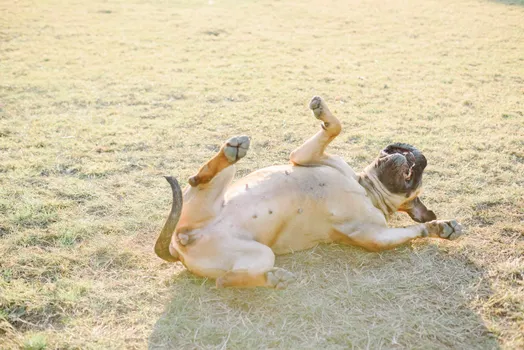
Large English guardian developed to hold poachers; calm and devoted at home but powerful enough to require serious ownership.
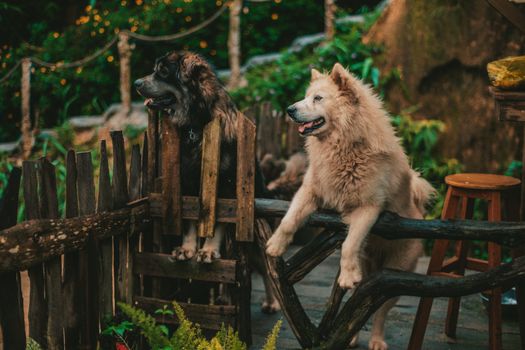
Magnificent, lion-maned gentle giant from Germany, bred as a noble companion and working dog — devoted to family, patient with children, and strikingly trainable for their size, but with a shorter lifespan and significant grooming commitment.
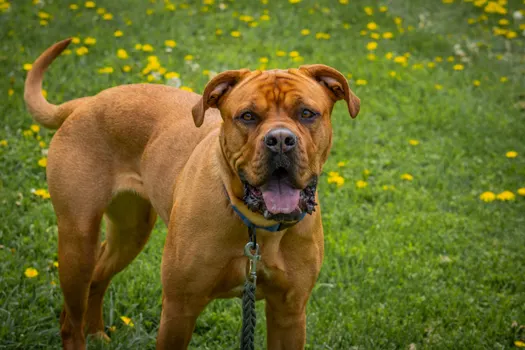
Colossal ancient guardian with a calm, dignified temperament, enormous space and cost needs, and a shorter giant-breed lifespan.
Compare & learn more
How do you prefer to compare breeds?
Help improve PupWiki with one quick anonymous answer.
Find my breed match →