
Miniature Dachshund
Spirited, clever, and boldly confident despite their small frame, Miniature Dachshunds are devoted companions with a famously stubborn streak and a spine that demands careful, lifelong management.
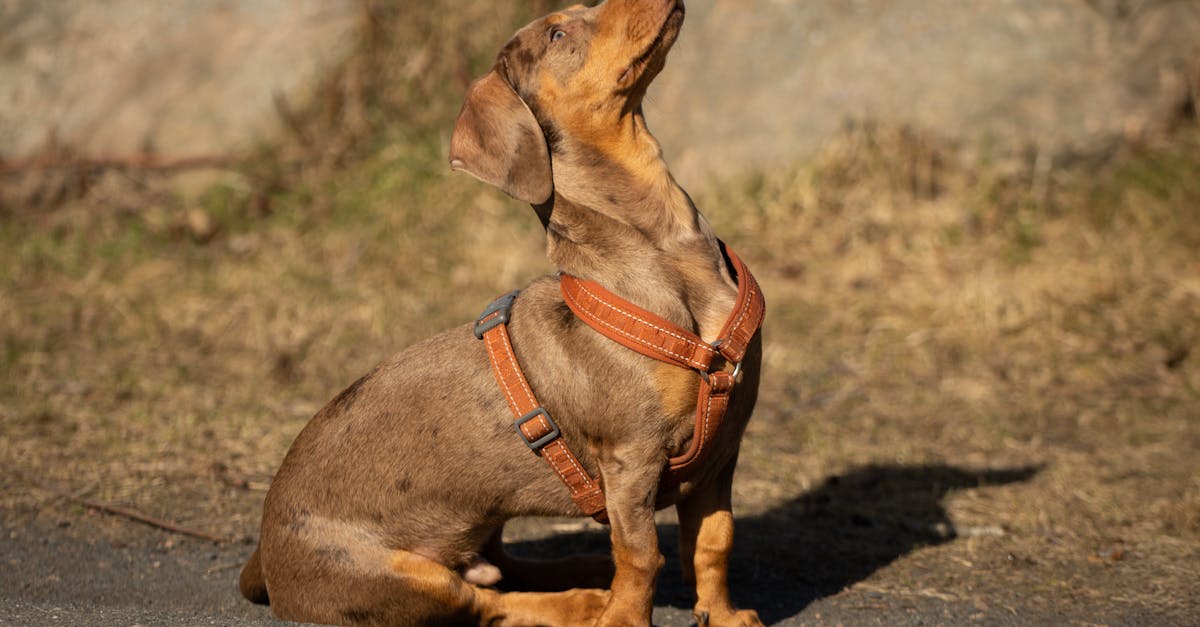
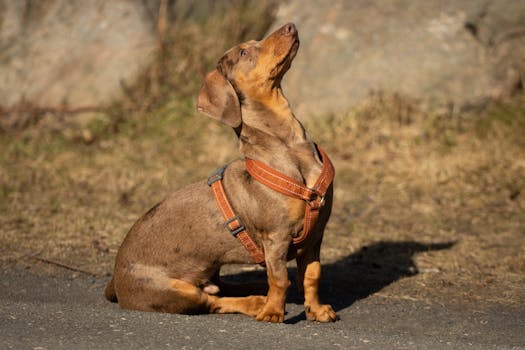
Photo by Efrem Efre on Pexels
Quick facts: Miniature Dachshund
- Size
- Small
- Weight
- 3.6–5 kg
- Origin
- Germany
- Life span
- 12–16 years
- Temperament
- Curious, clever, stubborn, lively
- Energy level
- Medium
- Grooming needs
- Very‑low
- Trainability
- High
- Apartment fit
- High
- Typical annual cost
- ~$1,900
Is the Miniature Dachshund right for you?
Best for
- Apartment and small-home dwellers wanting an alert, entertaining companion
- Owners who understand stubborn hound temperament and can train positively
- Adults and families with older children who interact gently
- Those who want a small breed with genuine character and longevity
Not ideal if
- Households with rough play or young children who may mishandle the dog
- Owners who cannot manage IVDD risk (no jumping on/off furniture)
- Those wanting a quiet, compliant dog — Dachshunds are vocal and opinionated
- First-time owners expecting easy obedience training
A charming, long-lived small breed with a big personality — ideal for patient owners who can commit to spinal health management and consistent training.
Trait snapshot
Build a personalised training plan for your Miniature Dachshund →
What owners actually say
Miniature Dachshund owners are devoted to their compact, spirited dogs — and candid about the back-health demands, stubborn streak, and surprisingly loud bark that come with the breed.
- General
The personality is enormous relative to the size. Owners consistently describe a dog that is fearless, curious, and determined — a terrier spirit in a hound body that keeps them endlessly entertaining.
- Health reality
Back problems catch owners off guard more than anything else. IVDD (intervertebral disc disease) is a genuine breed reality, and owners who go through a disc episode describe the experience — and the costs — as significant. Weight management and ramp access become lifelong priorities.
- Training
Stubbornness is real. Owners describe a dog that knows exactly what you want — and chooses whether to comply. Patience, consistency, and high-value treats are the recipe that works; frustration escalation does not.
- General
The bark is disproportionate to the size. Owners in apartments or terraced housing describe barking as their biggest management challenge — particularly at strangers, sounds, and other dogs.
- Apartment life
Good apartment dogs when their exercise needs are met, but owners note that furniture jumping is a back-injury risk. Ramps or steps at the sofa and bed become essential additions for most households.
Editorial summary. Phase 3 will add structured owner survey data.
Cost snapshot
Range $1,100–$3,200
Range $2,200–$6,500
After first year
Annual breakdown
Assumptions used:
- IVDD monitoring and potential surgery cost can be significant
- Minimal grooming for smooth coat variety
- Veterinary spine specialists may be needed
Last reviewed: 2026-06-20
Read full methodology →Health watchlist
Health information is educational only. Always consult your veterinarian.
Intervertebral disc disease (IVDD)
IVDD is the defining health concern of the Dachshund breed. Their elongated spine and short legs create structural vulnerability to disc herniation, which can cause paralysis. Preventing jumping from furniture, using ramps, and maintaining a healthy weight are critical preventive steps. Consult your vet.
Obesity
Miniature Dachshunds are highly prone to weight gain, which dramatically worsens spinal stress and accelerates IVDD risk. Strict portion control and regular weigh-ins are essential throughout their life. Consult your vet.
Patellar luxation
Luxating patellas are seen at higher rates in small and toy breeds including Miniature Dachshunds, and can cause intermittent lameness or a skipping gait. Severity ranges from mild to surgical. Consult your vet.
Dental disease
The small jaw increases risk of dental crowding and periodontal disease. Regular dental care is essential. Consult your vet for guidance specific to your dog.
Epilepsy
Occurs at moderate rates. Learn to recognise seizure signs and consult your vet. Consult your vet for guidance specific to your dog.
Check your fit
Answer a few questions to see how a Miniature Dachshund fits your household.
Frequently asked questions
Are Miniature Dachshunds prone to back problems?
Are Miniature Dachshunds hard to train?
Can a Miniature Dachshund live happily in an apartment?
How long do Miniature Dachshunds live?
How much does it cost to own a Miniature Dachshund?
How much grooming does a Miniature Dachshund need?
Are Miniature Dachshunds good for first-time owners?
Tools for Miniature Dachshund owners
Similar breeds to the Miniature Dachshund
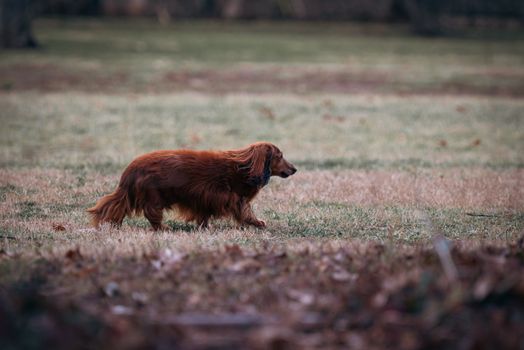
Low-slung scent hound developed for badger work; courageous, playful, and distinct in outline.
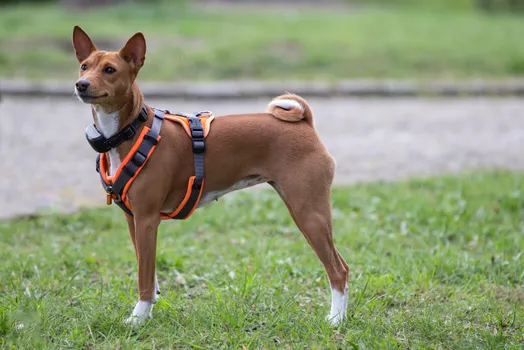
Compact African hunting hound famous for its quiet, yodel-like voice, catlike cleanliness, and independent mind.

Aristocratic toy spaniel; gentle, affectionate, and deeply devoted to people with serious cardiac health considerations.

Elegant miniature sighthound; affectionate, sensitive, and apartment-friendly, but fragile in cold weather and rough handling.

Compact American farm terrier: playful, portable, prey-driven, and much more athletic than its size suggests.
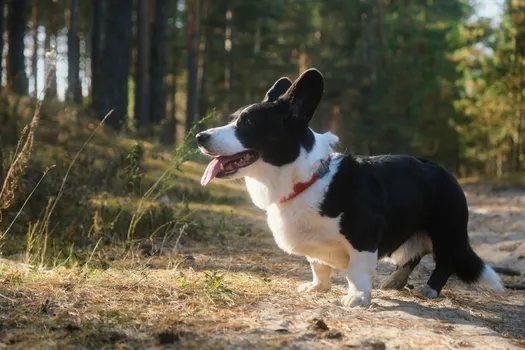
Long-bodied Welsh cattle dog with a tail; sturdy, clever, and affectionate, with herding instincts and meaningful shedding.
Compare & learn more
Head-to-head comparisons

Relevant guides
What is your biggest breed research problem?
Help improve PupWiki with one quick anonymous answer.
Find my breed match →