
Cavalier King Charles Spaniel
Aristocratic toy spaniel; gentle, affectionate, and deeply devoted to people with serious cardiac health considerations.

Photo by Alexas Fotos on Pexels
Quick facts: Cavalier King Charles Spaniel
- Size
- Small
- Weight
- 5.4–8.2 kg
- Origin
- United Kingdom
- Life span
- 9–14 years
- Temperament
- Gentle, graceful, affectionate, adaptable
- Energy level
- Medium
- Grooming needs
- Medium
- Trainability
- Low
- Apartment fit
- Very‑high
- Typical annual cost
- ~$1,900
Is the Cavalier King Charles Spaniel right for you?
Best for
- Home-based owners or retirees
- Gentle families with children
- Those seeking a devoted, affectionate lapdog
- Multi-pet households
Not ideal if
- Owners away long hours
- Those unprepared for potentially significant veterinary costs
- Hot climate regions
- Owners wanting a highly independent dog
The ultimate gentle companion — inseparable from people, but requires serious cardiac health vigilance and cannot be left alone.
Trait snapshot
Cavalier King Charles Spaniel is part of the Toy Group — see group tendencies →
What owners actually say
Cavalier owners are devoted to the breed’s gentle nature — and consistently stress the importance of understanding the cardiac health reality before getting one.
- Health reality
The heart disease reality is the biggest surprise. Many owners say they weren’t fully prepared for the emotional and financial weight of managing MVD as their Cavalier aged.
- Alone time
Cannot cope with being left alone. Owners who work full-time consistently say a dog walker, daycare, or a second dog is essential — not optional.
- Apartment life
Excellent apartment dogs. Calm indoors, minimal exercise needs compared to other breeds, and quiet enough for building living when given companionship.
- children
Universally praised with children. Patient, gentle, and unflappable — owners describe them as ideal family companions.
- Training
Eager to please and responsive. Owners find them easy to train with positive reinforcement and describe recall as reliable compared to other small breeds.
- General
Owners describe Cavaliers as the most devoted companions they’ve ever had. The cardiac health commitment is real — but most say the breed is worth every bit of it.
Editorial summary based on owner accounts and breed community feedback.
Cost snapshot
Range $1,100–$3,200
Range $2,200–$6,500
After first year
Annual breakdown
Assumptions used:
- Small breed food
- Cardiac monitoring recommended annually
- Long lifespan variability (9-14 years)
Last reviewed: 2026-06-20
Read full methodology →Health watchlist
Health information is educational only. Always consult your veterinarian.
Mitral Valve Disease (MVD)
Most Cavaliers will develop MVD by age 10. Annual cardiac screening by a cardiologist is strongly recommended. Choose breeders who follow the MVD Breeding Protocol. Consult your vet for guidance specific to your dog.
Syringomyelia (SM) and Chiari-like Malformation
Skull shape can cause pressure on the brain and spinal cord. Choose breeders who MRI-screen parents. Know the signs: phantom scratching, sensitivity to touch around the head and neck. Consult your vet for guidance specific to your dog.
Hip dysplasia
Screen parents with OFA certification. Consult your vet for guidance specific to your dog.
Syringomyelia
A serious neurological condition caused by skull shape. Watch for neck scratching, pain, or sensitivity. Consult your vet for guidance specific to your dog.
Ear infections
Long, floppy ears create a warm environment for infections. Regular cleaning and inspection are essential. Consult your vet for guidance specific to your dog.
Check your fit
Answer a few questions to see how a Cavalier King Charles Spaniel fits your household.
Frequently asked questions
Are Cavalier King Charles Spaniels prone to heart disease?
Can Cavaliers be left alone?
Are Cavaliers good with children?
Are Cavaliers easy to train?
How much does it cost to own a Cavalier King Charles Spaniel?
How much grooming does a Cavalier King Charles Spaniel need?
Are Cavalier King Charles Spaniels good apartment dogs?
Are Cavalier King Charles Spaniels good for first-time owners?
How long do Cavalier King Charles Spaniels live?
Tools for Cavalier King Charles Spaniel owners
Similar breeds to the Cavalier King Charles Spaniel

Cuba's national dog — a small, cheerful companion with a silky coat, low shedding, and exceptional adaptability to urban and apartment life.

Popular Maltese-Poodle designer mix; low-shedding, affectionate, and apartment-friendly — but coat, temperament, and health vary significantly between individuals due to hybrid genetics.
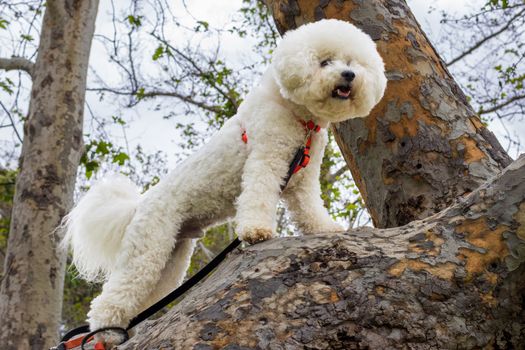
Small, curly-coated companion dog; cheerful, low-shedding, and highly sociable, but requiring intensive grooming and prone to separation anxiety.
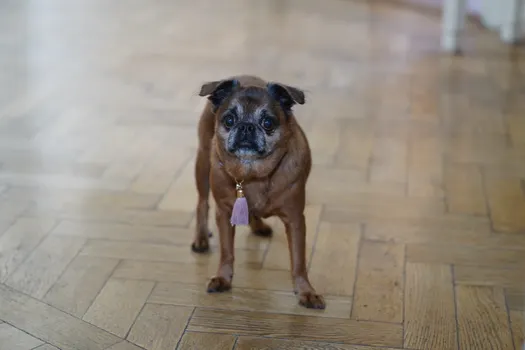
Tiny Belgian companion with a famously expressive face, intense people-focus, and a personality much larger than its body.
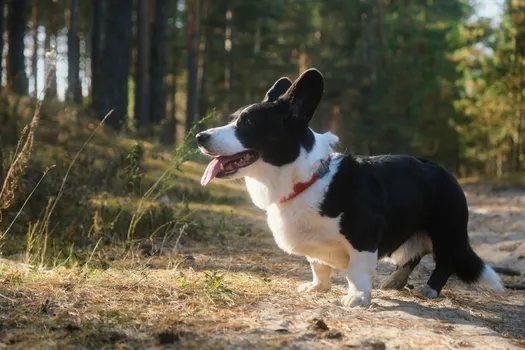
Long-bodied Welsh cattle dog with a tail; sturdy, clever, and affectionate, with herding instincts and meaningful shedding.

Distinctive toy companion seen in hairless and powderpuff varieties; affectionate, playful, and surprisingly athletic for its size.
Compare & learn more



Would you consider an adult dog instead of a puppy?
Help improve PupWiki with one quick anonymous answer.
Find my breed match →