
Rat Terrier
Compact American farm terrier: playful, portable, prey-driven, and much more athletic than its size suggests.

Photo by www.kaboompics.com on Pexels
Quick facts: Rat Terrier
- Size
- Small
- Weight
- 4.5–11.3 kg
- Origin
- United States
- Life span
- 12–18 years
- Temperament
- Friendly, inquisitive, lively, alert, loving
- Energy level
- High
- Grooming needs
- Very‑low
- Trainability
- Low
- Apartment fit
- High
- Typical annual cost
- ~$1,800
Is the Rat Terrier right for you?
Best for
- Active families wanting a small but sturdy dog
- Owners interested in agility, trick training, hiking, or fetch
- Homes that can provide structured exercise and mental work
- People wanting a portable dog without a fragile toy-breed feel
Not ideal if
- You want a very quiet, low-drive lapdog
- You have small pets and cannot manage prey drive
- You dislike digging, chasing, or alert barking
- You plan to leave a bored terrier alone for long hours
A bright, fun small dog for active homes that can channel terrier energy and prey drive constructively.
Trait snapshot
Rat Terrier is part of the Terrier Group — see group tendencies →
What owners actually say
Rat Terrier owners praise the fun, portability, and trainability, but warn that prey drive and terrier energy are real.
- Energy
Much more athletic than many small-dog shoppers expect. Walks alone may not be enough without play, training, and sniffing outlets.
- Training
Often very trainable because they are bright and engaged, but movement and scent distractions can override focus outdoors.
- Barking
Alert barking is common. Owners in apartments usually need to train quiet cues and manage window or hallway triggers.
- Apartment life
Their size helps in apartments, but success depends on exercise and noise management more than square footage.
- General
Many owners describe them as a near-perfect little adventure dog: sturdy, funny, affectionate, and ready for anything.
- Health reality
The breed is often hardy, but small active terrier orthopedic issues and dental care can still add vet costs.
Editorial summary based on owner accounts and breed community feedback. Phase 3 can replace or enrich this with structured PupWiki owner survey data.
Cost snapshot
Range $1,000–$3,200
Range $2,200–$6,500
After first year
Annual breakdown
Assumptions used:
- Small-breed food volume
- Very low professional grooming requirement
- Higher spending may come from training, fencing, sport classes, or orthopedic screening
- Routine preventive care and dental care included
Last reviewed: 2026-07-02
Read full methodology →Health watchlist
Health information is educational only. Always consult your veterinarian.
Patellar luxation
Small active breeds can experience kneecap instability. Maintain lean weight and discuss skipping, hopping, or intermittent lameness with your vet.
Legg-Calve-Perthes and hip health
Hip and femoral-head issues can occur in small terriers. Responsible breeders screen and owners should not ignore limping, pain, or reluctance to jump.
Cardiac screening
Ask breeders about heart screening and keep routine wellness checks current. Early detection matters for small active dogs that may mask symptoms.
Prey drive and escape risk
Rat Terriers were developed to chase and dispatch vermin. Secure fencing, leash habits, and recall management reduce traffic and wildlife-related injury risk.
Check your fit
Answer a few questions to see how a Rat Terrier fits your household.
Frequently asked questions
Are Rat Terriers good family dogs?
Are Rat Terriers good apartment dogs?
Do Rat Terriers bark a lot?
Are Rat Terriers easy to train?
Can Rat Terriers live with cats?
How much grooming does a Rat Terrier need?
How much exercise does a Rat Terrier need?
Tools for Rat Terrier owners
Similar breeds to the Rat Terrier
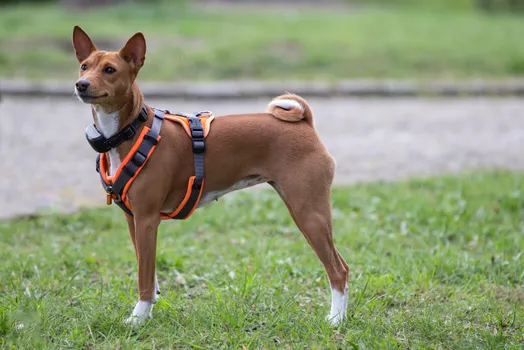
Compact African hunting hound famous for its quiet, yodel-like voice, catlike cleanliness, and independent mind.
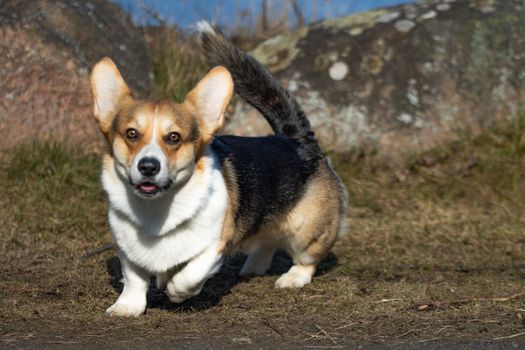
Foxy-faced cattle drover; affectionate, agile, and outspoken.
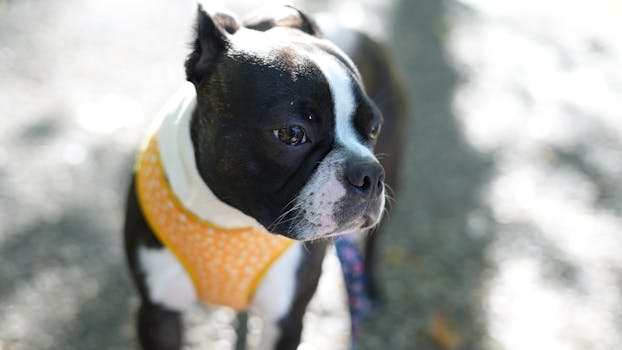
Compact companion nicknamed the American Gentleman; lively yet mannerly with minimal grooming needs.

Small rugged terrier from Australia; alert, spirited, loyal, and packed with old-school vermin-hunting grit.

Small pack hound built for endurance and scent work; merry, social, and food-motivated.
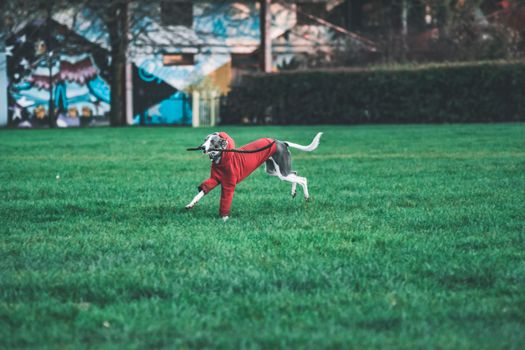
Sleek, gentle sighthound that sprints at 35 mph but is remarkably calm indoors; low-maintenance coat with a sensitive, affectionate nature.
Compare & learn more
Relevant guides
How important is apartment fit?
Help improve PupWiki with one quick anonymous answer.
Find my breed match →