
Basenji
Compact African hunting hound famous for its quiet, yodel-like voice, catlike cleanliness, and independent mind.
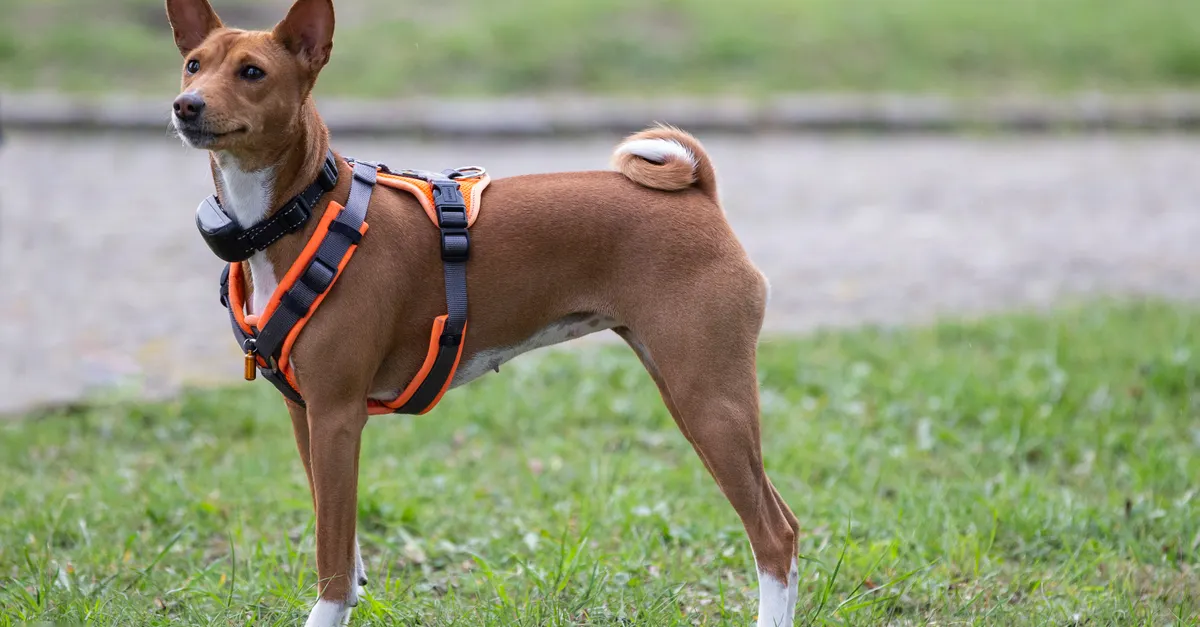
Quick facts: Basenji
- Size
- Small
- Weight
- 9.1–10.9 kg
- Origin
- Central Africa
- Life span
- 13–14 years
- Temperament
- Independent, smart, poised, curious
- Energy level
- High
- Grooming needs
- Very‑low
- Trainability
- High
- Apartment fit
- High
- Typical annual cost
- ~$1,900
Is the Basenji right for you?
Best for
- Apartment or townhouse owners who can provide daily exercise
- Owners who appreciate a clean, low-odour dog
- Active adults wanting a small-to-medium athletic companion
- People interested in primitive or independent breeds
Not ideal if
- You expect reliable off-leash recall
- You want an eager-to-please beginner training experience
- You need a dog that tolerates long boring days alone
- You have unsecured outdoor areas with escape opportunities
A fascinating low-odour companion for active owners who respect independence rather than expecting instant obedience.
Trait snapshot
Basenji is part of the Hound Group — see group tendencies →
What owners actually say
Basenji owners praise the breed's cleanliness and quiet apartment manners — but consistently warn that independence, escape risk, and recall are the real ownership test.
- Apartment life
Small size, low odour, and low barking make the Basenji surprisingly workable in apartments when exercise is consistent.
- Training
Owners often describe training as negotiation rather than obedience. The dog understands quickly, but compliance depends on motivation and management.
- Energy
Daily activity matters more than many expect. A bored Basenji may climb, chew, steal, or invent escape projects.
- Barking
The breed is quiet in the normal barky sense, but owners report yodels, whines, and expressive sounds rather than silence.
- Alone time
Basenjis often cope poorly with long boring days. Secure confinement, enrichment, and gradual alone-time training are recurring owner themes.
- General
The best fit is an owner who enjoys a clever, clean, catlike dog and is comfortable managing off-leash limitations.
Editorial owner-reality summary based on breed traits, reputable breed-source patterns, and common owner-reported friction points. Phase 3 can replace or augment this with structured PupWiki owner survey data.
Cost snapshot
Range $1,100–$3,300
Range $2,300–$6,800
After first year
Annual breakdown
Assumptions used:
- Small-to-medium food volume
- Low professional grooming requirement
- Training and enrichment investment can be higher than size suggests
- Screening for breed-specific inherited conditions matters
Last reviewed: 2026-07-02
Read full methodology →Health watchlist
Health information is educational only. Always consult your veterinarian.
Fanconi syndrome
The Basenji is historically associated with Fanconi syndrome, a kidney-related disorder. Ask breeders about current DNA testing and discuss urinalysis screening with your veterinarian.
Progressive retinal atrophy
Responsible breeders screen for inherited eye disease. Owners should report night-vision changes, bumping into objects, or eye cloudiness promptly.
Hip dysplasia
Although smaller than many high-risk breeds, Basenjis can still be screened for hip health. Keep weight lean and choose breeders who use orthopedic testing.
Escape and injury risk
Basenjis are agile, curious, and often unreliable off leash. Secure fencing, leash management, and ID/microchip routines reduce preventable risk.
Check your fit
Answer a few questions to see how a Basenji fits your household.
Frequently asked questions
Are Basenjis really barkless?
Are Basenjis good apartment dogs?
Are Basenjis easy to train?
Do Basenjis shed much?
Are Basenjis good with children?
Can a Basenji be left alone all day?
How much exercise does a Basenji need?
What health problems should Basenji owners know about?
Tools for Basenji owners
Similar breeds to the Basenji
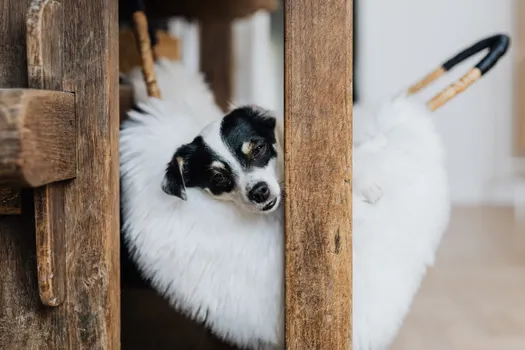
Compact American farm terrier: playful, portable, prey-driven, and much more athletic than its size suggests.
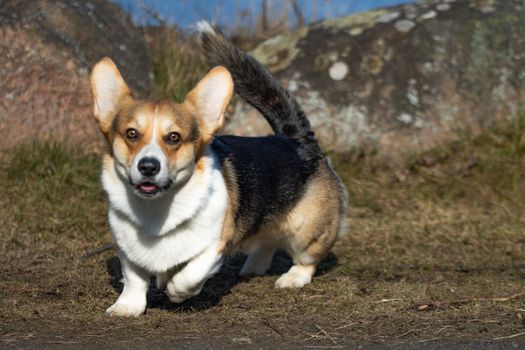
Foxy-faced cattle drover; affectionate, agile, and outspoken.
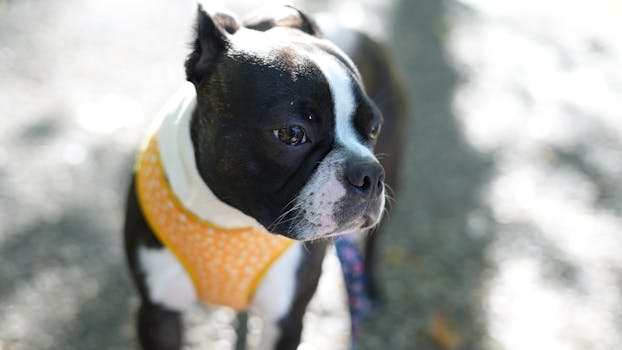
Compact companion nicknamed the American Gentleman; lively yet mannerly with minimal grooming needs.
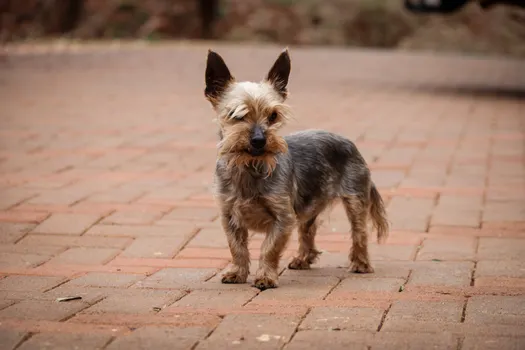
Small rugged terrier from Australia; alert, spirited, loyal, and packed with old-school vermin-hunting grit.
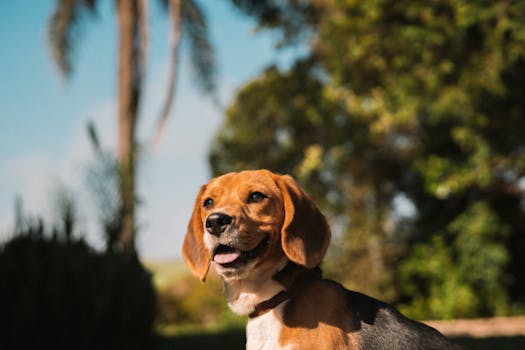
Small pack hound built for endurance and scent work; merry, social, and food-motivated.
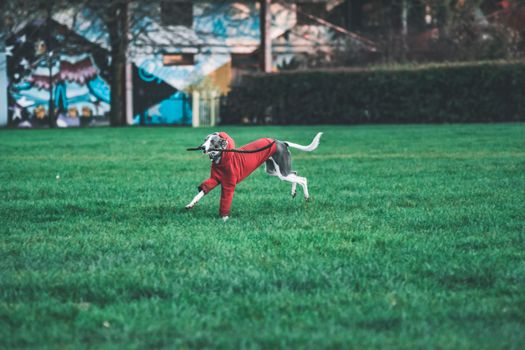
Sleek, gentle sighthound that sprints at 35 mph but is remarkably calm indoors; low-maintenance coat with a sensitive, affectionate nature.
Compare & learn more
Would a breed fit quiz help you choose?
Help improve PupWiki with one quick anonymous answer.
Find my breed match →