
Dachshund
Low-slung scent hound developed for badger work; courageous, playful, and distinct in outline.
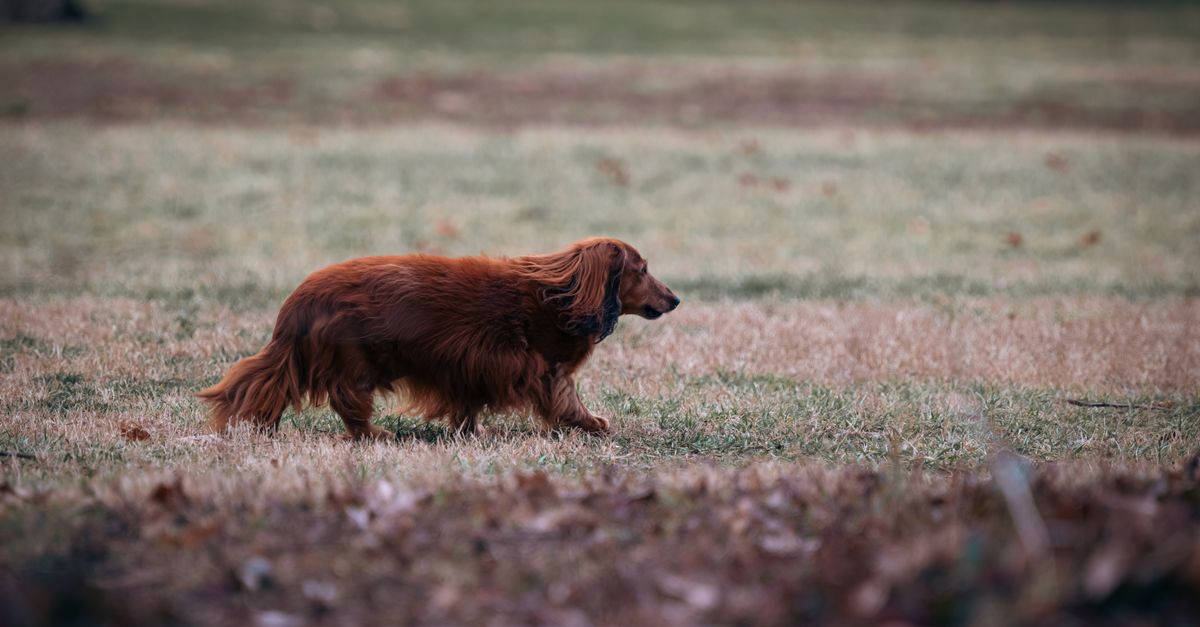
Quick facts: Dachshund
- Size
- Small
- Weight
- 7.3–14.5 kg
- Origin
- Germany
- Life span
- 12–16 years
- Temperament
- Lively, clever, bold, sometimes stubborn
- Energy level
- Medium
- Grooming needs
- Low
- Trainability
- Medium
- Apartment fit
- High
- Typical annual cost
- ~$1,900
Is the Dachshund right for you?
Best for
- Apartment and city dwellers
- Owners who enjoy an entertaining, alert companion
- Those wanting a manageable-sized breed with character
Not ideal if
- Households with lots of stairs and no ramps (back risk)
- Owners who are away long hours
- Those seeking a quiet, non-vocal dog
A big personality in a small body — ideal for apartments but requires back health management.
Trait snapshot
Dachshund is part of the Hound Group — see group tendencies →
What owners actually say
Dachshund owners are pragmatic about back health management and smitten with a personality that completely defies the dog's size.
- Health reality
Experienced Dachshund owners describe their ownership primarily around back health management. Ramps on the sofa and bed, no jumping on or off raised surfaces, weight discipline — these are not optional extras but habits that form within the first month of ownership and stay for the dog's life.
- General
Dachshunds routinely behave as though they are 40 kg dogs in a 10 kg body. They are bold, curious, opinionated, and funny — with a genuine sense of self that surprises new owners. Force-based training approaches are particularly counterproductive: they dig in.
- Barking
Bred to work underground and bark to signal their location, that barking instinct is fully intact. Dachshunds alert to every sound, visitor, and perceived threat with enthusiasm. Early training and enrichment reduce but rarely eliminate it.
- Apartment life
Bred to tunnel underground, Dachshunds will investigate soft ground around fences and in gardens. A Dachshund in a yard with unfenced perimeter edges or soft soil near fencing may eventually dig its way out. Check perimeter security regularly.
- Health reality
IVDD surgery is needed suddenly — a disc rupture is an emergency, not a gradual situation that allows price shopping. Owners who had pet insurance already in place describe it as the single best decision they made. Getting insurance after a first spinal episode usually means pre-existing condition exclusions on the most likely future cost.
- General
Dachshunds form deep bonds and are affectionate, warm companions — but they express independence in ways that can frustrate owners expecting a compliance-oriented dog. Accepting that the Dachshund has opinions and working with that makes ownership far more enjoyable.
Editorial summary based on owner accounts and breed community feedback.
Cost snapshot
Range $1,100–$3,200
Range $2,200–$6,500
After first year
Annual breakdown
Assumptions used:
- Small breed food
- IVDD (back) surgery risk — consider insurance
- Long lifespan increases lifetime total
Last reviewed: 2026-06-20
Read full methodology →Health watchlist
Health information is educational only. Always consult your veterinarian.
Intervertebral Disc Disease (IVDD)
The long spine puts Dachshunds at high risk for back problems. Use ramps instead of stairs, avoid jumping from furniture, and maintain a healthy weight. Consult your vet for guidance specific to your dog.
Obesity and spinal stress
Extra weight dramatically increases spinal risk. Strict portion control is essential. Consult your vet for guidance specific to your dog.
Eye conditions (PRA)
Progressive Retinal Atrophy occurs in the breed. Reputable breeders screen for this. Consult your vet for guidance specific to your dog.
Dental disease
The elongated jaw can lead to dental crowding. Regular dental care and professional cleanings are recommended. Consult your vet for guidance specific to your dog.
Epilepsy
Idiopathic epilepsy can occur. Learn to recognise seizure signs and consult your vet promptly. Consult your vet for guidance specific to your dog.
Check your fit
Answer a few questions to see how a Dachshund fits your household.
Frequently asked questions
Are Dachshunds prone to back problems?
Are Dachshunds good for apartments?
Are Dachshunds stubborn to train?
Do Dachshunds shed a lot?
How much does it cost to own a Dachshund?
How much grooming does a Dachshund need?
Are Dachshunds good for first-time owners?
How long do Dachshunds live?
Tools for Dachshund owners
Similar breeds to the Dachshund
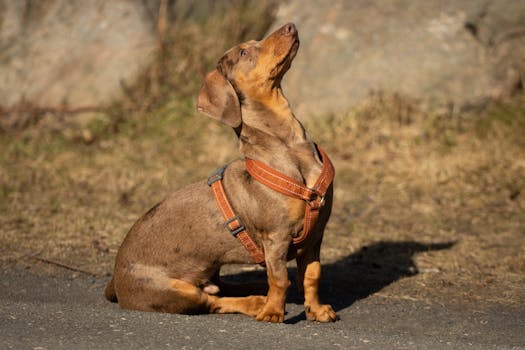
Spirited, clever, and boldly confident despite their small frame, Miniature Dachshunds are devoted companions with a famously stubborn streak and a spine that demands careful, lifelong management.

Aristocratic toy spaniel; gentle, affectionate, and deeply devoted to people with serious cardiac health considerations.
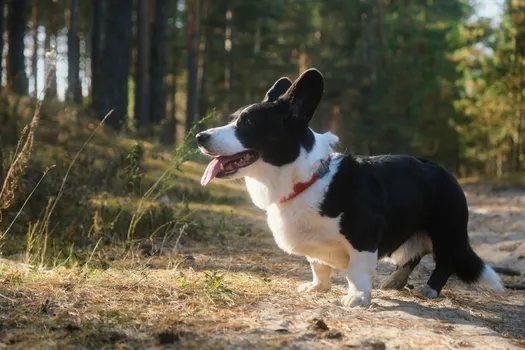
Long-bodied Welsh cattle dog with a tail; sturdy, clever, and affectionate, with herding instincts and meaningful shedding.
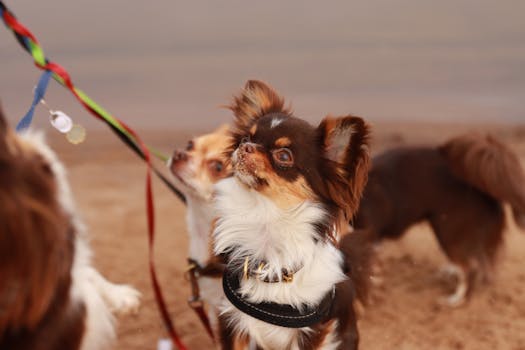
World's smallest breed; fiercely loyal and bold in personality, ideal for city living but requires careful socialisation and cold-weather management.
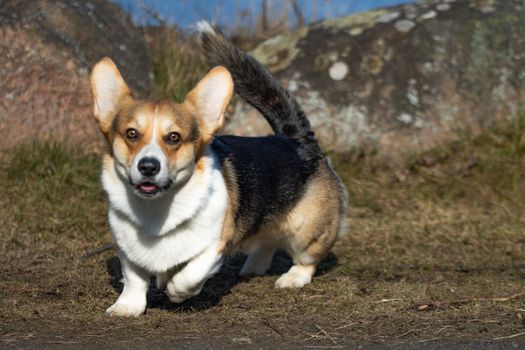
Foxy-faced cattle drover; affectionate, agile, and outspoken.
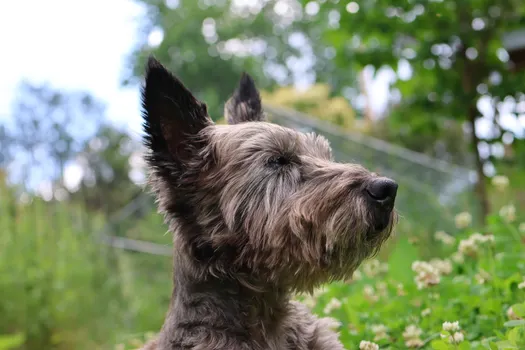
Compact, dignified terrier from Scotland with a bold “Diehard” personality, wiry coat, and independent watchdog streak.
Compare & learn more

What is your ideal adult dog size?
Help improve PupWiki with one quick anonymous answer.
Find my breed match →