
Cardigan Welsh Corgi
Long-bodied Welsh cattle dog with a tail; sturdy, clever, and affectionate, with herding instincts and meaningful shedding.
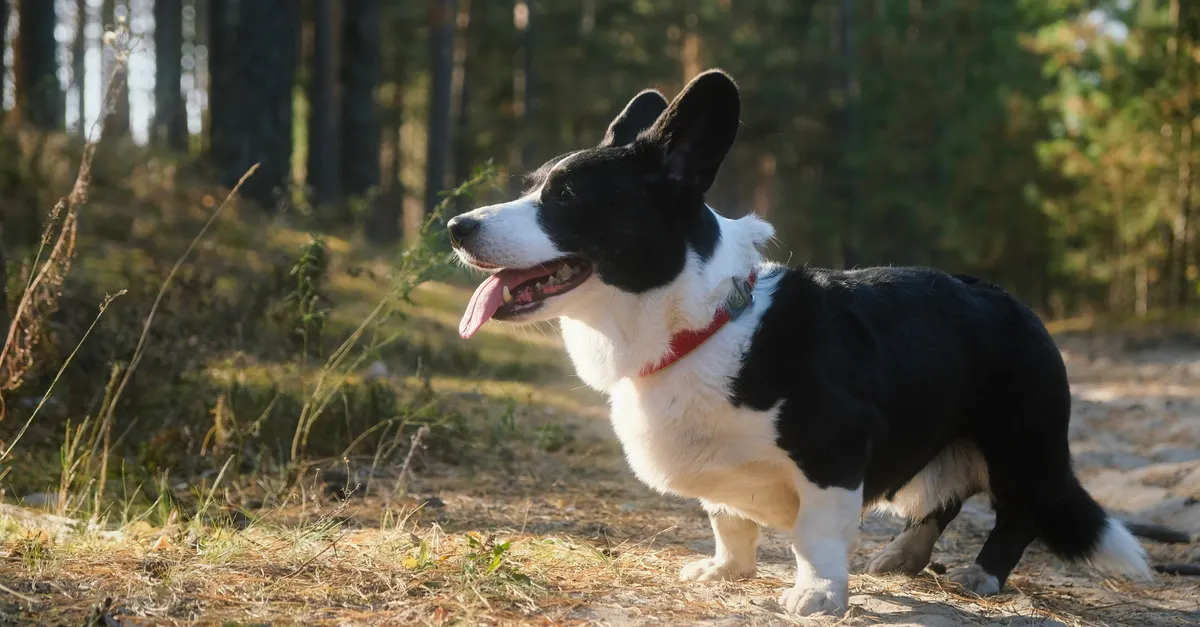
Quick facts: Cardigan Welsh Corgi
- Size
- Small
- Weight
- 11.3–17.2 kg
- Origin
- Wales
- Life span
- 12–15 years
- Temperament
- Loyal, affectionate, intelligent, alert
- Energy level
- Medium‑high
- Grooming needs
- Medium
- Trainability
- Medium‑low
- Apartment fit
- High
- Typical annual cost
- ~$2,200
Is the Cardigan Welsh Corgi right for you?
Best for
- Families wanting a smaller herding breed
- Owners who enjoy training and enrichment
- Homes that can manage shedding
- People wanting a watchful but affectionate companion
Not ideal if
- You want a very quiet dog
- You dislike seasonal shedding
- You cannot manage weight and stairs for a long-backed breed
- You expect a couch-only toy temperament
A sturdy, adaptable herding companion with big-dog confidence in a short-legged package.
Trait snapshot
Cardigan Welsh Corgi is part of the Herding Group — see group tendencies →
What owners actually say
Cardigan Welsh Corgi owners consistently highlight the breed's sturdy charm, intelligence, and adaptability — while warning that barking, shedding, and back/weight management are real ownership factors.
- Apartment life
Owners often report good apartment fit when barking is trained early. The dog is compact, but the alert watchdog voice can travel through walls.
- Shedding
The biggest surprise is shedding. The coat looks manageable until seasonal coat blow fills corners, clothing, and car seats with undercoat.
- Training
Training tends to be rewarding because Cardigans are smart and food-motivated, but they quickly notice inconsistent rules.
- Energy
They are not lazy lap dogs. Owners who add trick training, scent games, or herding-style activities usually see better household behaviour.
- Health reality
Back care and weight control come up often. Stairs, slippery floors, jumping off furniture, and extra pounds matter more than new owners expect.
- General
Cardigan owners love the breed's sturdy confidence: small enough for practical living, but with the personality of a capable farm dog.
Editorial summary based on owner accounts, breed-community patterns, and breed-purpose analysis. Phase 3 can replace or supplement these notes with structured owner survey data.
Cost snapshot
Range $1,200–$3,800
Range $2,400–$7,600
After first year
Annual breakdown
Assumptions used:
- Small-to-medium food costs
- Moderate grooming supplies
- Potential orthopedic/back-care vigilance
Last reviewed: 2026-07-02
Read full methodology →Health watchlist
Health information is educational only. Always consult your veterinarian.
Back and spine strain
Long-backed, short-legged dogs benefit from lean weight, controlled jumping, good stair habits, and prompt vet attention for pain or weakness.
Hip dysplasia
Herding breeds can be screened for hip health. Responsible breeding and weight management help reduce orthopedic stress. Ask your vet for guidance specific to your dog.
Progressive retinal atrophy and eye screening
Ask breeders about eye screening and inherited eye disease testing. Sudden vision changes or night-vision issues should be discussed with a veterinarian.
Obesity risk
Food-motivated corgis can gain weight quickly, and extra weight increases joint and back strain. Measure meals and track body condition. Ask your vet for guidance specific to your dog.
Dental care
Small and medium breeds need consistent dental care. Brush teeth where possible and ask your vet about professional cleanings.
Check your fit
Answer a few questions to see how a Cardigan Welsh Corgi fits your household.
Frequently asked questions
What is the difference between a Cardigan Welsh Corgi and a Pembroke Welsh Corgi?
Are Cardigan Welsh Corgis good apartment dogs?
Do Cardigan Welsh Corgis bark a lot?
How much grooming does a Cardigan Welsh Corgi need?
Are Cardigan Welsh Corgis good with children?
How much exercise does a Cardigan Welsh Corgi need?
What health problems are Cardigan Welsh Corgis prone to?
Are Cardigan Welsh Corgis easy to train?
How long do Cardigan Welsh Corgis live?
Tools for Cardigan Welsh Corgi owners
Similar breeds to the Cardigan Welsh Corgi

Small rugged terrier from Australia; alert, spirited, loyal, and packed with old-school vermin-hunting grit.

Aristocratic toy spaniel; gentle, affectionate, and deeply devoted to people with serious cardiac health considerations.
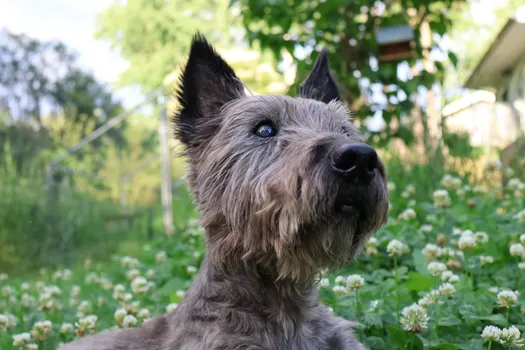
Hardy working terrier with an otter-like head; affectionate and practical, but still driven, diggy, and prey-aware.
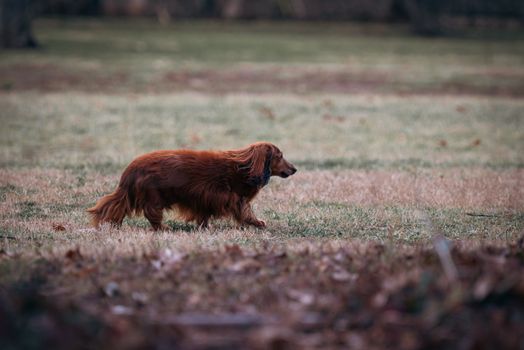
Low-slung scent hound developed for badger work; courageous, playful, and distinct in outline.

Tiny toy spaniel with butterfly ears, big athleticism, and standout trainability in a delicate package.
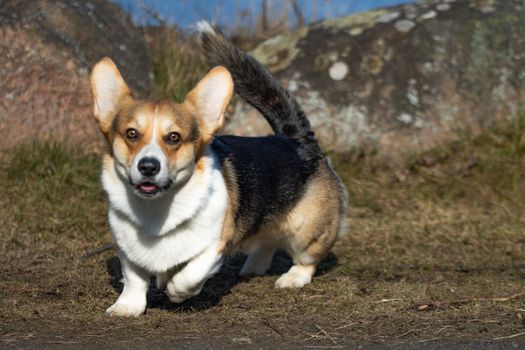
Foxy-faced cattle drover; affectionate, agile, and outspoken.
Where are you in your breed decision?
Help improve PupWiki with one quick anonymous answer.
Compare breeds →