
Saint Bernard
Iconic giant rescue breed with an exceptionally gentle temperament; one of the best family dogs but requires space, cold climate tolerance, and preparation for a shorter lifespan.
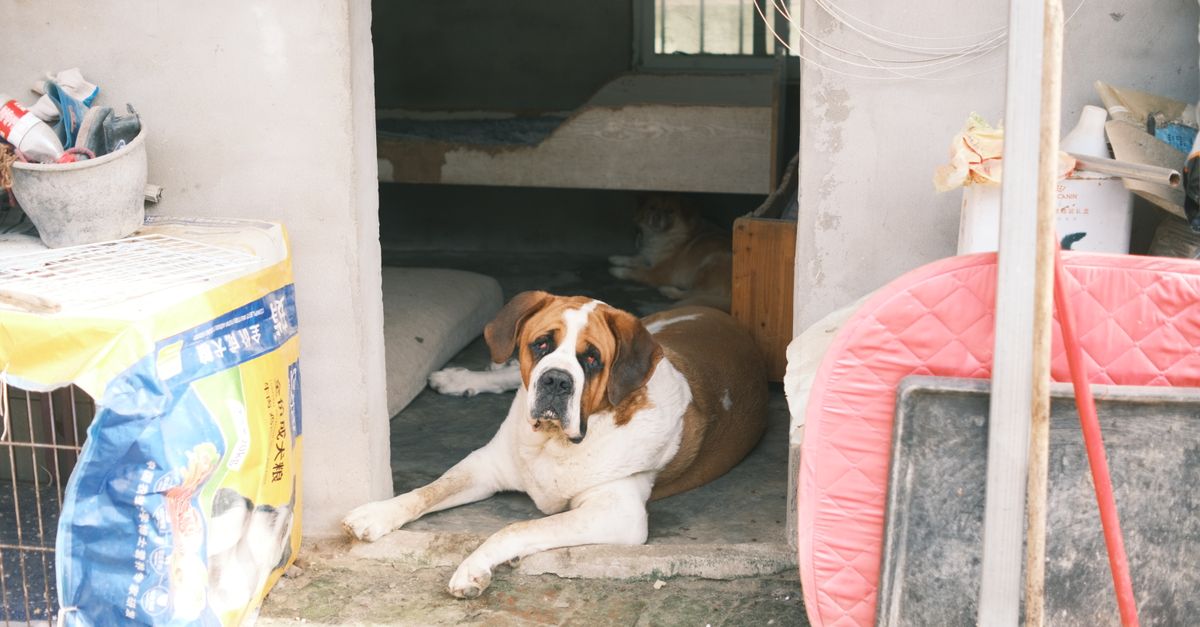
Quick facts: Saint Bernard
- Size
- Giant
- Weight
- 29–54.4 kg
- Origin
- Switzerland
- Life span
- 8–10 years
- Temperament
- Friendly, patient, gentle, watchful
- Energy level
- Low
- Grooming needs
- High
- Trainability
- Medium
- Apartment fit
- Very‑low
- Typical annual cost
- ~$3,200
Is the Saint Bernard right for you?
Best for
- Families with children wanting a calm, patient giant breed
- Owners with large homes and cold or temperate climates
- Those prepared for the emotional commitment of a shorter lifespan
Not ideal if
- Hot or warm climates — they overheat easily and dangerously
- Apartment or small-space living
- Those unable to manage heavy shedding and drool
- Owners unprepared for giant-breed orthopedic and health costs
One of the gentlest giant breeds for families — plan for heavy shedding, drooling, heat intolerance, and an 8–10 year lifespan.
Trait snapshot
What owners actually say
Saint Bernard owners are completely devoted to their gentle giants — and consistently describe the short lifespan as the most emotionally difficult aspect of owning the breed.
- General
Owners describe a level of patience and gentleness with children that is genuinely exceptional. Saint Bernards seem to understand their own size and moderate their behaviour accordingly with small children.
- Health reality
The short lifespan is the defining emotional reality of the breed. Owners go in knowing 8-10 years, but the emotional weight still hits hard. Some owners describe having a plan before purchasing because the grief is real.
- Grooming
The drooling is significant and constant. Owners keep towels everywhere. This is not an occasional thing — it is a daily management reality that some owners find endearing and others find genuinely difficult.
- Apartment life
Requires significant space and is genuinely not suited to apartments. Owners in smaller homes describe challenges with a dog this size. They are calm indoors but take up considerable space and are not nimble in tight quarters.
- Training
Easier to train than their size might suggest. Owners describe a gentle, cooperative nature. Training early is essential — a 70kg dog with no manners is a safety issue regardless of how gentle they are.
Editorial summary. Phase 3 will add structured owner survey data.
Cost snapshot
Range $2,000–$5,500
Range $3,200–$11,000
After first year
Annual breakdown
Assumptions used:
- Very large food volumes (significant ongoing cost)
- Giant-breed veterinary costs for orthopedic care
- Heavy grooming demands
- Shorter lifespan (8–10 years) means concentrated lifetime cost
Last reviewed: 2026-06-20
Read full methodology →Health watchlist
Health information is educational only. Always consult your veterinarian.
Hip and elbow dysplasia
Very common in giant breeds. OFA screening of parent dogs is essential. Weight management and avoiding high-impact exercise in puppies reduces risk. Consult your vet.
Bloat / GDV
Deep-chested giant breeds have elevated GDV risk. Discuss prevention strategies and prophylactic gastropexy with your veterinarian.
Osteosarcoma
Giant breeds have a significantly elevated risk of bone cancer. Annual wellness exams with attention to lameness or swelling are important. Consult your vet.
Entropion/ectropion
The loose facial skin makes eyelid issues common. Surgical correction may be needed. Consult your vet for guidance specific to your dog.
Wobbler syndrome
Cervical vertebral instability can affect giant breeds. Watch for unsteady gait. Consult your vet for guidance specific to your dog.
Check your fit
Answer a few questions to see how a Saint Bernard fits your household.
Frequently asked questions
Do Saint Bernards shed a lot?
Can Saint Bernards handle hot weather?
Are Saint Bernards good with children?
How much do Saint Bernards drool?
How much does it cost to own a Saint Bernard?
What health problems are Saint Bernards prone to?
How much grooming does a Saint Bernard need?
Are Saint Bernards easy to train?
Are Saint Bernards good apartment dogs?
Are Saint Bernards good for first-time owners?
Tools for Saint Bernard owners
Similar breeds to the Saint Bernard
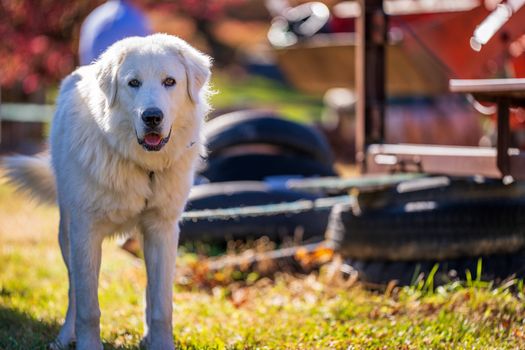
Magnificent large white livestock guardian dog from the Pyrenean mountains; calm, devoted, and patient — but profoundly independent, a heavy shedder, and prone to nocturnal barking rooted in centuries of solo guarding work.
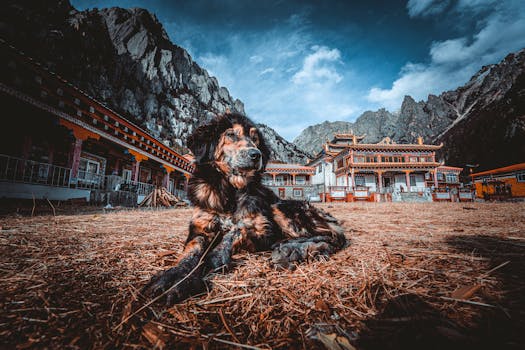
One of the world's most ancient and powerful guardian breeds, the Tibetan Mastiff is an imposing, heavily coated giant bred to guard property and livestock in the Himalayas — deeply loyal to their family but profoundly independent, nocturnal, and challenging for any but the most experienced owners.
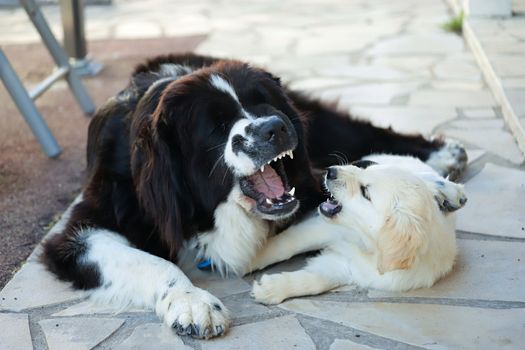
Massive, gentle water rescue dog with an extraordinarily sweet temperament; one of the best large breeds for families but demands exceptional space, coat management, and health commitment.
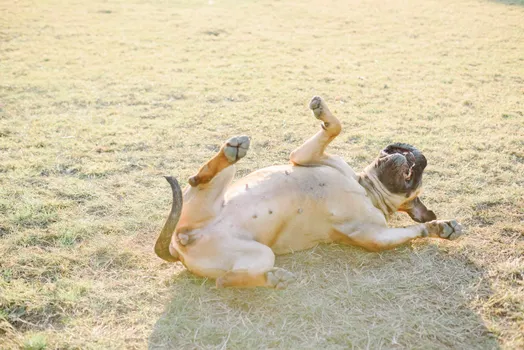
Large English guardian developed to hold poachers; calm and devoted at home but powerful enough to require serious ownership.
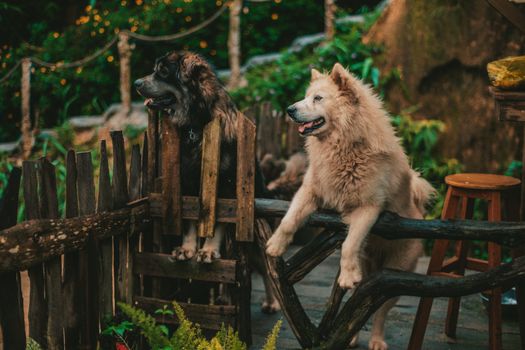
Magnificent, lion-maned gentle giant from Germany, bred as a noble companion and working dog — devoted to family, patient with children, and strikingly trainable for their size, but with a shorter lifespan and significant grooming commitment.
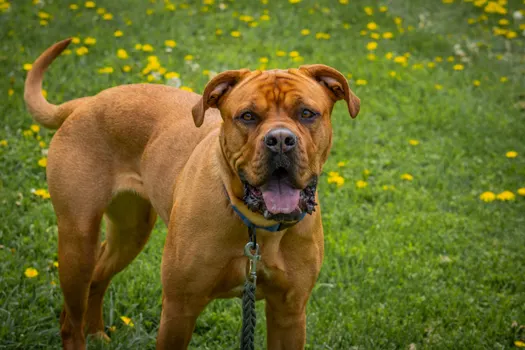
Colossal ancient guardian with a calm, dignified temperament, enormous space and cost needs, and a shorter giant-breed lifespan.
Compare & learn more
Head-to-head comparisons
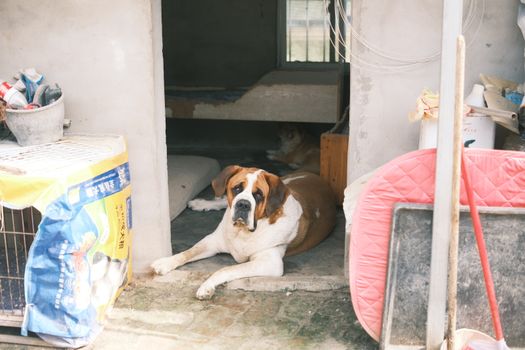
What would make you hesitate about this breed?
Help improve PupWiki with one quick anonymous answer.
Find my breed match →