
Newfoundland
Massive, gentle water rescue dog with an extraordinarily sweet temperament; one of the best large breeds for families but demands exceptional space, coat management, and health commitment.
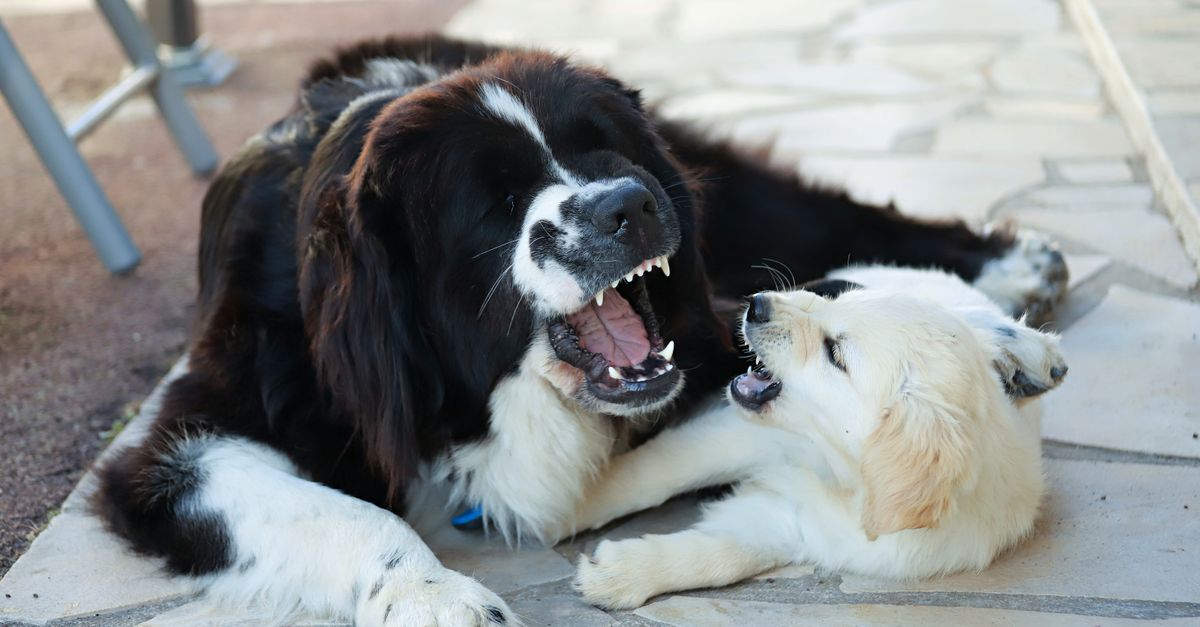
Photo by Catherine Leclert on Pexels
Quick facts: Newfoundland
- Size
- Giant
- Weight
- 27.2–31.8 kg
- Origin
- Canada (Newfoundland)
- Life span
- 9–10 years
- Temperament
- Sweet, patient, devoted, gentle
- Energy level
- Low
- Grooming needs
- Very‑high
- Trainability
- Low
- Apartment fit
- Very‑low
- Typical annual cost
- ~$3,200
Is the Newfoundland right for you?
Best for
- Families with children of all ages who want a patient, devoted giant breed
- Owners with large homes in cool or cold climates
- Those prepared for very heavy grooming and shedding demands
- Active families who enjoy swimming (Newfoundlands are natural swimmers)
Not ideal if
- Warm or hot climates — serious heat intolerance
- Apartment or small-home living
- Those unable to manage heavy shedding and drooling
- Owners unprepared for giant-breed health and lifespan realities (9–10 years)
One of the gentlest, most patient giant breeds — magnificent with children, but demands exceptional space, grooming time, and heat management.
Trait snapshot
Newfoundland is part of the Working Group — see group tendencies →
What owners actually say
Newfoundland owners describe the gentlest giant in dogs — patient, devoted, and wonderful with children — but the drool, coat, and short lifespan are realities no prospective owner should underestimate.
- General
Exceptional with children — owners describe a breed that seems to understand how to be gentle. The 'nanny dog' reputation is earned. Many owners describe their Newfoundland as the most patient, tolerant animal they have ever met.
- Grooming
The drool is real and significant. Owners keep dedicated drool cloths at every door. Anyone sensitive to mess should research this honestly before purchasing — it is non-negotiable and not manageable with training.
- Health reality
The lifespan (9–10 years) is short, and owners consistently describe the grief of losing a giant breed earlier than expected. Heart conditions (SAS) and hip dysplasia add to the health cost equation.
- Shedding
Coat maintenance is substantial — heavy seasonal shedding combined with a thick double coat that requires regular brushing. Professional grooming is expensive but considered necessary by most owners.
- Training
Eager to please and gentle-natured makes training enjoyable. Owners describe a breed that responds well to positive reinforcement. The size means early obedience is essential — a 65 kg dog that pulls is unmanageable.
Editorial summary. Phase 3 will add structured owner survey data.
Cost snapshot
Range $2,000–$5,500
Range $3,200–$11,000
After first year
Annual breakdown
Assumptions used:
- Very large food volumes
- Very heavy grooming demands
- Cardiac and orthopedic monitoring throughout life
- Shorter lifespan (9–10 years)
Last reviewed: 2026-06-20
Read full methodology →Health watchlist
Health information is educational only. Always consult your veterinarian.
Hip and elbow dysplasia
Very common in Newfoundlands. OFA evaluation of parent dogs is essential. Weight management and avoiding high-impact exercise in puppies reduces risk. Consult your vet.
Subvalvular aortic stenosis (SAS)
Cardiac SAS is well-documented in Newfoundlands. OFA cardiac examination by a cardiologist is strongly recommended for parent dogs and should be asked of breeders. Consult your vet.
Bloat / GDV
Deep-chested giant breeds have elevated GDV risk. Discuss prophylactic gastropexy and feeding practices with your veterinarian.
Cystinuria
A breed-specific urinary condition. DNA testing is available. Consult your vet for guidance specific to your dog.
Cruciate ligament disease
The breed's size puts extra stress on knee ligaments. Maintain a healthy weight. Consult your vet for guidance specific to your dog.
Check your fit
Answer a few questions to see how a Newfoundland fits your household.
Frequently asked questions
Are Newfoundlands good with children?
Do Newfoundlands shed a lot?
Can Newfoundlands handle warm weather?
Are Newfoundlands easy to train?
How much does it cost to own a Newfoundland?
What health problems are Newfoundlands prone to?
How much grooming does a Newfoundland need?
Are Newfoundlands good apartment dogs?
Are Newfoundlands good for first-time owners?
How long do Newfoundlands live?
Tools for Newfoundland owners
Similar breeds to the Newfoundland
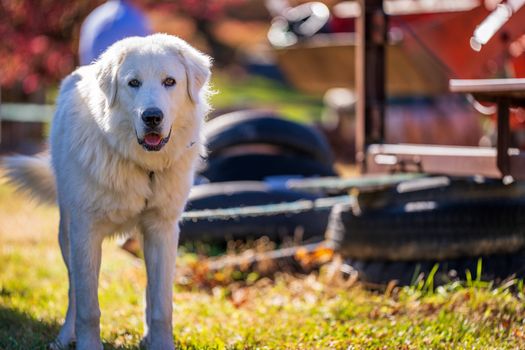
Magnificent large white livestock guardian dog from the Pyrenean mountains; calm, devoted, and patient — but profoundly independent, a heavy shedder, and prone to nocturnal barking rooted in centuries of solo guarding work.
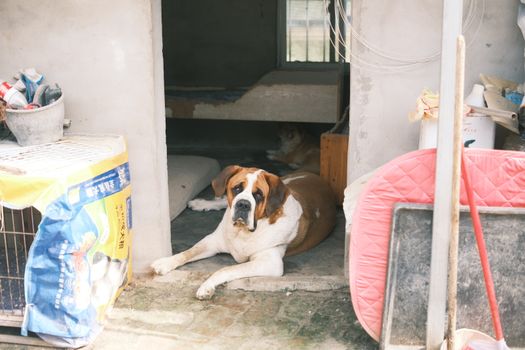
Iconic giant rescue breed with an exceptionally gentle temperament; one of the best family dogs but requires space, cold climate tolerance, and preparation for a shorter lifespan.
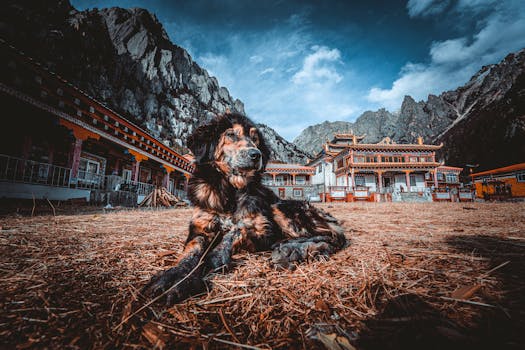
One of the world's most ancient and powerful guardian breeds, the Tibetan Mastiff is an imposing, heavily coated giant bred to guard property and livestock in the Himalayas — deeply loyal to their family but profoundly independent, nocturnal, and challenging for any but the most experienced owners.
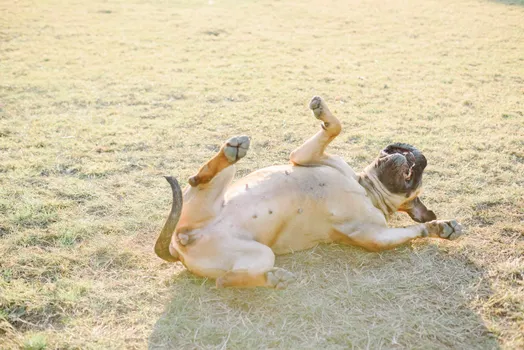
Large English guardian developed to hold poachers; calm and devoted at home but powerful enough to require serious ownership.
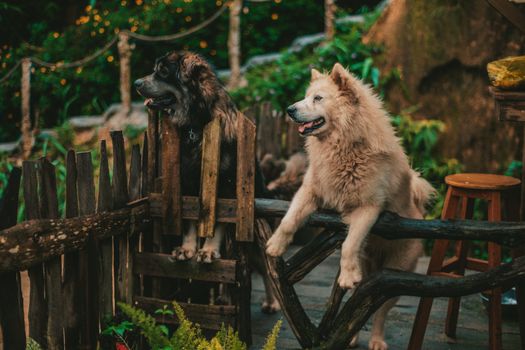
Magnificent, lion-maned gentle giant from Germany, bred as a noble companion and working dog — devoted to family, patient with children, and strikingly trainable for their size, but with a shorter lifespan and significant grooming commitment.
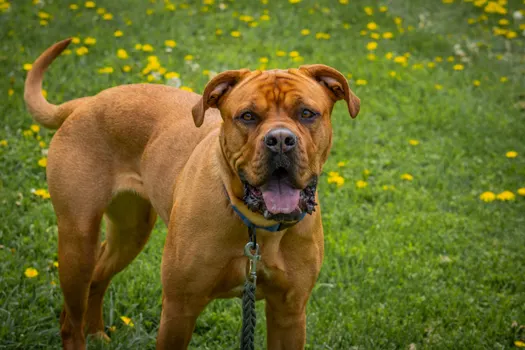
Colossal ancient guardian with a calm, dignified temperament, enormous space and cost needs, and a shorter giant-breed lifespan.
Compare & learn more
Head-to-head comparisons
After reading this breed page, what are you still unsure about?
Help improve PupWiki with one quick anonymous answer.
Compare breeds →