
Great Pyrenees
Magnificent large white livestock guardian dog from the Pyrenean mountains; calm, devoted, and patient — but profoundly independent, a heavy shedder, and prone to nocturnal barking rooted in centuries of solo guarding work.
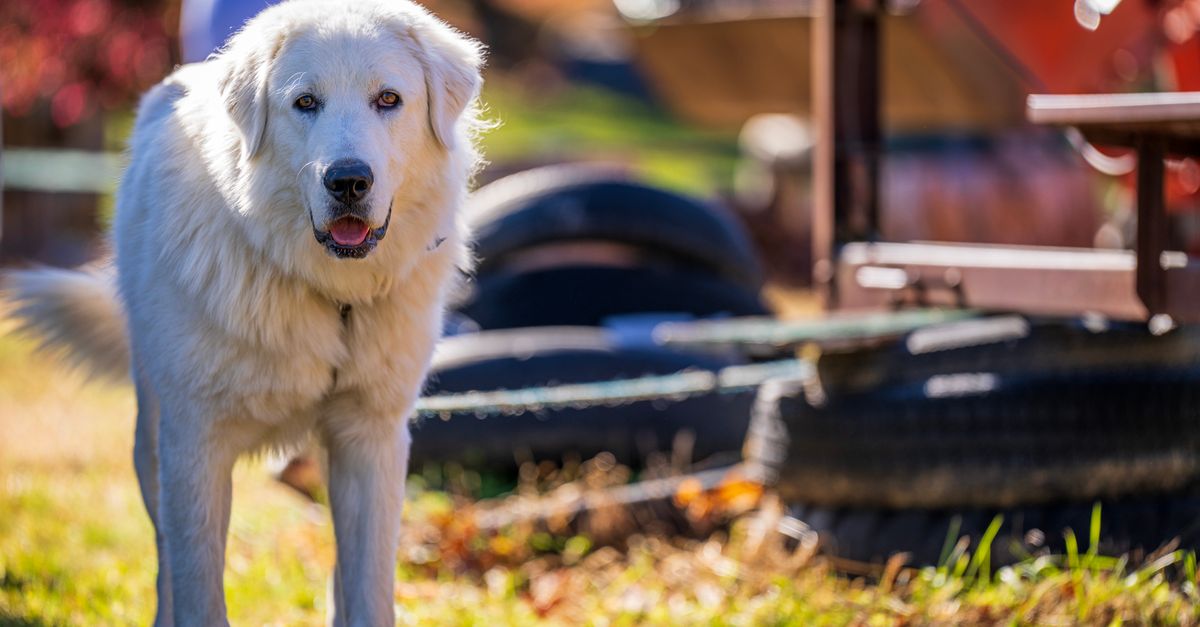
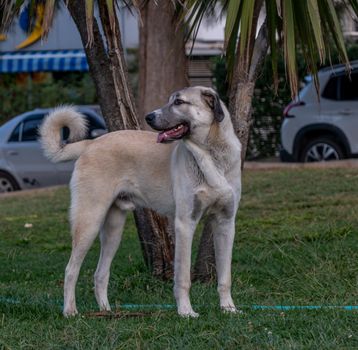
Photo by Mark Stebnicki on Pexels
Quick facts: Great Pyrenees
- Size
- Giant
- Weight
- 20.4–24.5 kg
- Origin
- France and Spain
- Life span
- 10–12 years
- Temperament
- Patient, calm, gentle, independent, devoted
- Energy level
- Low
- Grooming needs
- High
- Trainability
- High
- Apartment fit
- Very‑low
- Typical annual cost
- ~$3,200
Is the Great Pyrenees right for you?
Best for
- Owners with rural or suburban properties where barking is not a neighbour concern
- Families with children who want a calm, tolerant giant breed companion
- Those in cold climates who can accommodate a heavy-shedding double-coated breed
- Smallholders or hobby farmers looking for a natural livestock guardian
Not ideal if
- Urban or apartment dwellers — size and nocturnal barking instinct make city living very difficult
- First-time owners unprepared for the independent, wilful nature of a guardian breed
- Households in hot climates — the thick double coat causes serious heat stress
- Owners wanting an obedient, highly responsive breed for off-leash activities
A gentle giant with a noble disposition — rewarding for patient owners with space and a high tolerance for shedding, but their independence, nocturnal barking, and size make them poorly suited to urban or apartment living.
Trait snapshot
Great Pyrenees is part of the Working Group — see group tendencies →
Build a personalised training plan for your Great Pyrenees →
What owners actually say
The Great Pyrenees is a magnificent, gentle giant — but the independence, nocturnal barking, and epic shedding are not for everyone.
- Barking
Great Pyrenees are bred to work alone at night and alert to anything unusual. Nighttime barking at perceived threats is deeply hardwired — not a training failure. Urban owners often struggle with this.
- Shedding
The double coat produces enormous amounts of hair year-round, with extreme shedding in spring. Many owners describe filling bags weekly during blow season. White hair on every surface is a given.
- Training
Pyrenees are independent problem-solvers — they were bred to make decisions without human direction. They know commands but may choose not to obey if they don't see the point. Recall reliability is notoriously low.
- Alone time
Their LGD background means they can tolerate alone time with outdoor space. They do well with other animals — particularly livestock — and are generally calm and patient indoors despite their size.
- General
Owners who appreciate a calm, devoted, and strikingly beautiful dog that doesn't demand constant attention often become lifelong Pyrenees devotees. The challenges are real but predictable for those who research the breed.
- Health reality
Bloat risk in this deep-chested giant breed catches many owners unprepared. Learning the signs of GDV and having an emergency vet plan is something experienced Pyr owners consider essential from day one.
Editorial summary. Phase 3 will add structured owner survey data.
Cost snapshot
Range $2,000–$5,500
Range $3,200–$11,000
After first year
Annual breakdown
Assumptions used:
- Giant-breed food volumes are a significant ongoing cost — quality large-breed formulas are important for joint health
- Regular professional grooming during seasonal blow-outs, or significant investment in brushing equipment
- Giant breeds generally incur higher veterinary costs for procedures, medications, and specialist referrals scaled by body weight
Last reviewed: 2026-06-20
Read full methodology →Health watchlist
Health information is educational only. Always consult your veterinarian.
Hip dysplasia
Hip dysplasia is a documented concern in the Great Pyrenees, as with most large and giant breeds. OFA screening of parent dogs is standard in responsible breeding programs. Consult your vet for appropriate screening and weight management advice.
Bloat (gastric dilatation-volvulus)
As a deep-chested giant breed, the Great Pyrenees carries a significant risk of bloat — a rapidly life-threatening emergency. Owners should learn to recognise signs and act immediately. Consult your vet about prophylactic gastropexy, particularly if the dog has a nervous temperament.
Bone cancer (osteosarcoma)
Giant breeds as a group have a statistically higher incidence of osteosarcoma than smaller breeds. Early signs can include limb swelling or unexplained lameness. Consult your vet promptly if you notice these symptoms, as early diagnosis significantly affects treatment options.
Patellar luxation
Can occur despite the breed's large size. Watch for intermittent lameness. Consult your vet for guidance specific to your dog.
Entropion
Eyelid issues can occur due to loose facial skin. Watch for excessive tearing or eye irritation. Consult your vet for guidance specific to your dog.
Check your fit
Answer a few questions to see how a Great Pyrenees fits your household.
Frequently asked questions
Do Great Pyrenees bark a lot?
How much exercise does a Great Pyrenees need?
How much do Great Pyrenees shed?
How much does it cost to own a Great Pyrenees?
What health problems are Great Pyreneess prone to?
How much grooming does a Great Pyrenees need?
Are Great Pyreneess easy to train?
Are Great Pyreneess good apartment dogs?
Are Great Pyreneess good for first-time owners?
How long do Great Pyreneess live?
Tools for Great Pyrenees owners
Similar breeds to the Great Pyrenees
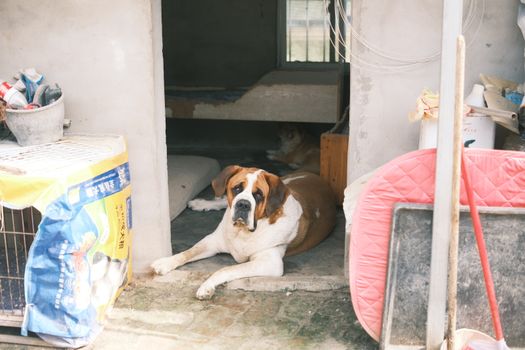
Iconic giant rescue breed with an exceptionally gentle temperament; one of the best family dogs but requires space, cold climate tolerance, and preparation for a shorter lifespan.
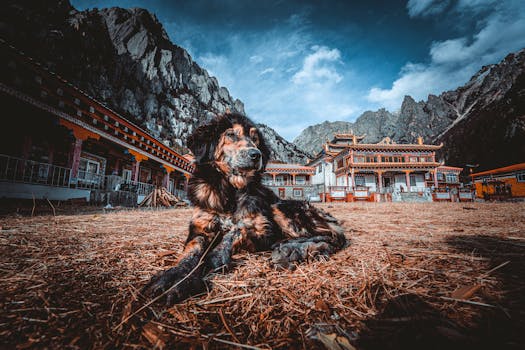
One of the world's most ancient and powerful guardian breeds, the Tibetan Mastiff is an imposing, heavily coated giant bred to guard property and livestock in the Himalayas — deeply loyal to their family but profoundly independent, nocturnal, and challenging for any but the most experienced owners.
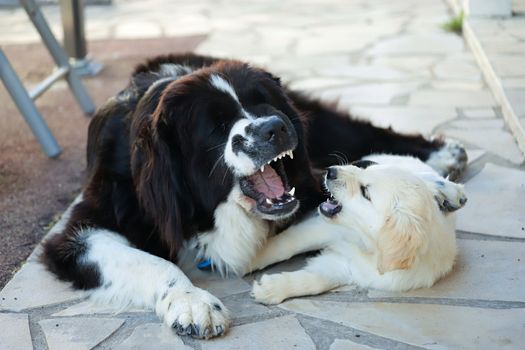
Massive, gentle water rescue dog with an extraordinarily sweet temperament; one of the best large breeds for families but demands exceptional space, coat management, and health commitment.
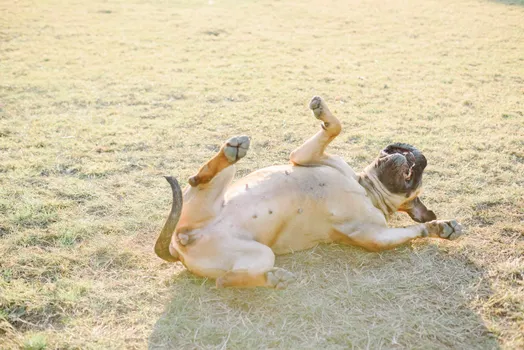
Large English guardian developed to hold poachers; calm and devoted at home but powerful enough to require serious ownership.
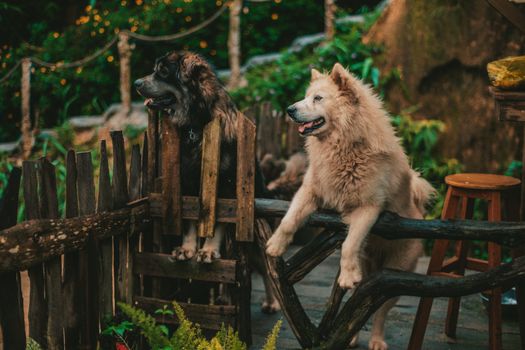
Magnificent, lion-maned gentle giant from Germany, bred as a noble companion and working dog — devoted to family, patient with children, and strikingly trainable for their size, but with a shorter lifespan and significant grooming commitment.
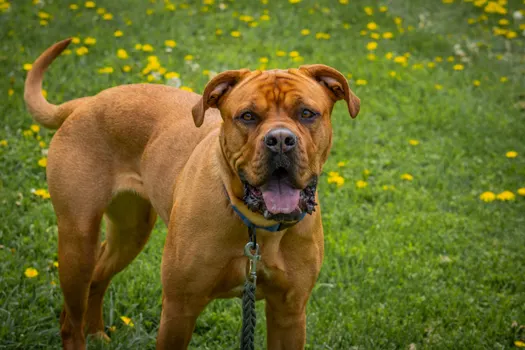
Colossal ancient guardian with a calm, dignified temperament, enormous space and cost needs, and a shorter giant-breed lifespan.
Compare & learn more
Head-to-head comparisons
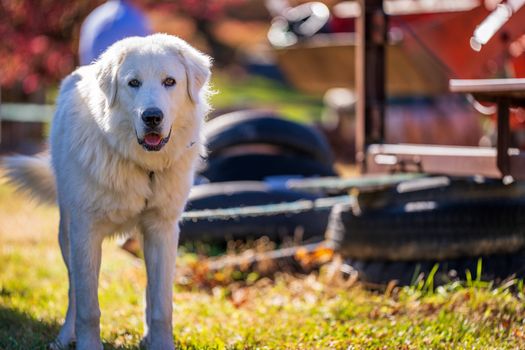
What matters most when choosing a dog breed?
Help improve PupWiki with one quick anonymous answer.
Find my breed match →