
Tibetan Mastiff
One of the world's most ancient and powerful guardian breeds, the Tibetan Mastiff is an imposing, heavily coated giant bred to guard property and livestock in the Himalayas — deeply loyal to their family but profoundly independent, nocturnal, and challenging for any but the most experienced owners.
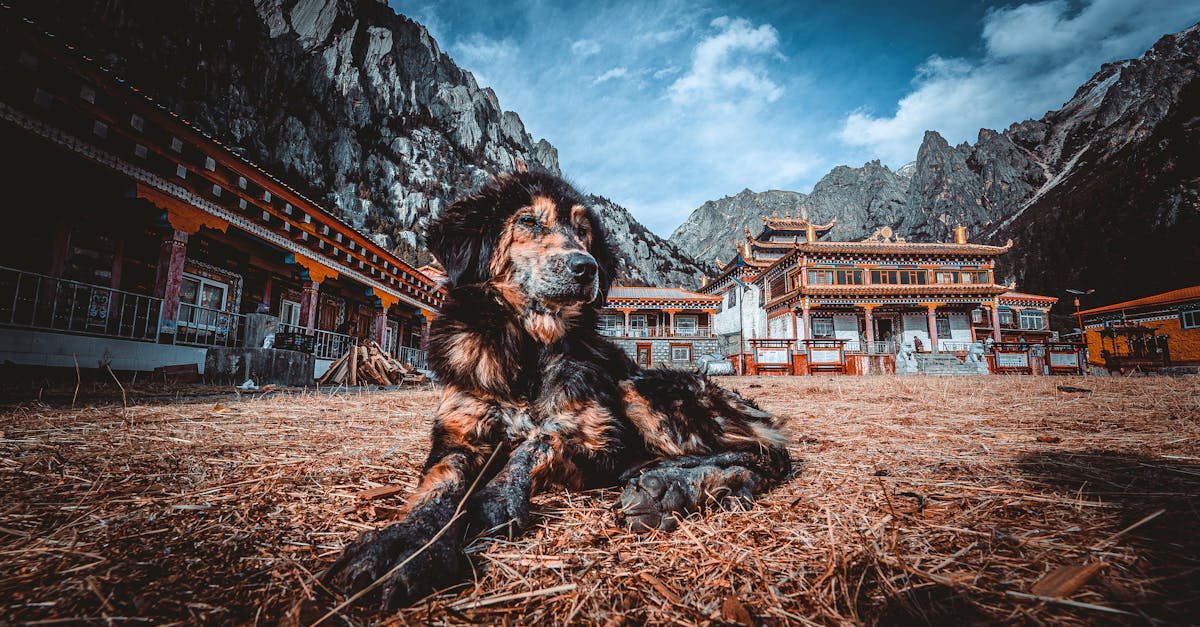
Quick facts: Tibetan Mastiff
- Size
- Giant
- Weight
- 31.8–68 kg
- Origin
- Tibet
- Life span
- 10–12 years
- Temperament
- Independent, loyal, aloof, protective
- Energy level
- Low
- Grooming needs
- High
- Trainability
- High
- Apartment fit
- Very‑low
- Typical annual cost
- ~$3,200
Is the Tibetan Mastiff right for you?
Best for
- Very experienced owners who understand primitive guardian breed psychology
- Large-property or rural owners where a powerful night guardian is appropriate
- Those who respect and can manage an independent, self-directed temperament
- Cold-climate households with space for a giant, heavily coated breed
Not ideal if
- First-time or inexperienced dog owners — the Tibetan Mastiff is considered among the most difficult breeds to manage
- Families with young children or frequent guests, given strong territorial instincts
- Urban, suburban, or small-space households — noise levels and space requirements are substantial
- Owners wanting a heat-tolerant or highly obedient companion
An ancient, awe-inspiring guardian breed for very experienced owners only — their independence, nocturnal activity patterns, and protective instincts make them unsuitable for most households.
Trait snapshot
Tibetan Mastiff is part of the Working Group — see group tendencies →
Build a personalised training plan for your Tibetan Mastiff →
What owners actually say
Tibetan Mastiff owners describe an ancient, majestic breed that operates on its own terms — intensely loyal to its household, deeply suspicious of outsiders, and genuinely unsuitable for owners who have not researched the breed's unique guardian psychology before acquiring one.
- General
The nocturnal barking is the defining challenge for most owners. The Tibetan Mastiff is historically a night guardian and owners in residential settings describe loud, sustained barking after dark as the breed's most difficult real-world management issue. Rural settings with distance from neighbours are strongly preferred.
- Training
Training is a long-term investment with a limited ceiling. Owners describe a highly intelligent dog that simply does not value human approval the way a retriever or working breed does. Early socialisation and basic manners are achievable; advanced obedience or off-lead reliability in variable environments is not realistic for most owners.
- General
The loyalty is profound within the household. Owners describe a dog that is deeply bonded to its immediate family and protective in a way that feels serious rather than performative. This same quality requires careful management around unfamiliar adults and children.
- Health reality
Hip dysplasia and hypothyroidism are the most commonly reported health issues in owner accounts. The breed's size and the associated management of joint health through appropriate exercise and weight management is a recurring theme for owners with older dogs.
- Alone time
Relatively independent and not typically anxious when alone during the day — owners describe a dog that can be left without separation distress. The evening and night profile is different; this is when the guarding instincts activate.
Editorial summary. Phase 3 will add structured owner survey data.
Cost snapshot
Range $2,000–$5,500
Range $3,200–$11,000
After first year
Annual breakdown
Assumptions used:
- Giant breed food costs
- Heavy double coat — significant grooming investment
- Professional trainer essential
Last reviewed: 2026-06-20
Read full methodology →Health watchlist
Health information is educational only. Always consult your veterinarian.
Hip dysplasia
Hip dysplasia is a documented concern in the Tibetan Mastiff at elevated rates, given their size and the physical demands of working on mountainous terrain. OFA or PennHIP screening of breeding stock is standard. Joint management throughout adulthood — including weight control — is important. Consult your vet.
Hypothyroidism
Thyroid dysfunction leading to weight gain, lethargy, and coat changes is documented at elevated rates in the Tibetan Mastiff. OFA thyroid testing is available and annual thyroid panels from middle age are prudent. Daily oral supplementation is effective once diagnosed. Consult your vet.
Autoimmune conditions
The breed shows a broader tendency toward immune-mediated conditions including autoimmune thyroiditis and occasional skin and eye issues. Any unexplained systemic changes, skin depigmentation, or recurring infections warrant full workup. Consult your vet.
Bloat/GDV
Giant breed with deep chest. Feed smaller meals and avoid exercise after eating. Discuss preventive gastropexy with your vet.
Canine inherited demyelinative neuropathy
A breed-specific neurological condition. Responsible breeders screen for it. Consult your vet for guidance specific to your dog.
Check your fit
Answer a few questions to see how a Tibetan Mastiff fits your household.
Frequently asked questions
Are Tibetan Mastiffs suitable for first-time dog owners?
Do Tibetan Mastiffs bark at night?
Are Tibetan Mastiffs aggressive?
How much exercise does a Tibetan Mastiff need?
How much does it cost to own a Tibetan Mastiff?
What health problems are Tibetan Mastiffs prone to?
How much grooming does a Tibetan Mastiff need?
Are Tibetan Mastiffs easy to train?
Are Tibetan Mastiffs good apartment dogs?
How long do Tibetan Mastiffs live?
Tools for Tibetan Mastiff owners
Similar breeds to the Tibetan Mastiff
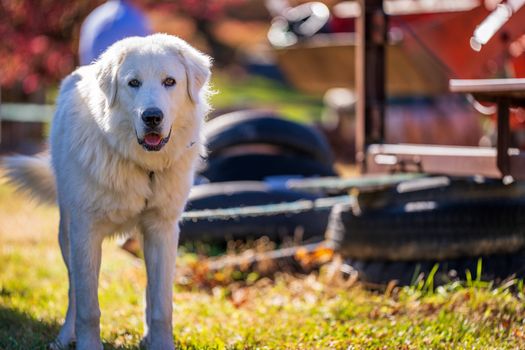
Magnificent large white livestock guardian dog from the Pyrenean mountains; calm, devoted, and patient — but profoundly independent, a heavy shedder, and prone to nocturnal barking rooted in centuries of solo guarding work.
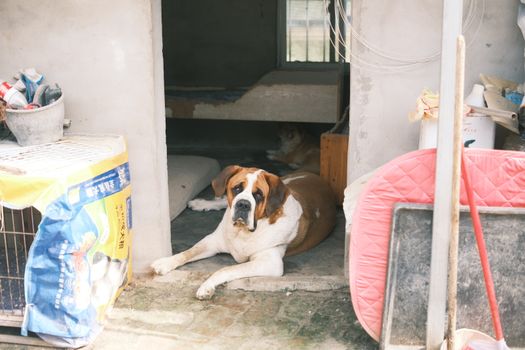
Iconic giant rescue breed with an exceptionally gentle temperament; one of the best family dogs but requires space, cold climate tolerance, and preparation for a shorter lifespan.
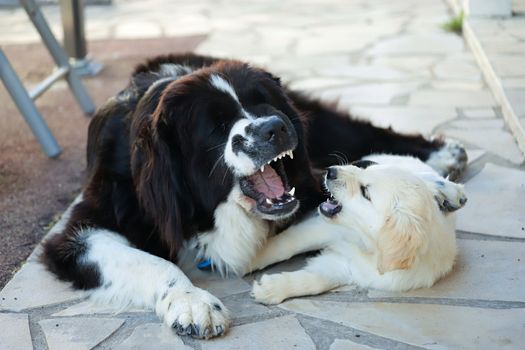
Massive, gentle water rescue dog with an extraordinarily sweet temperament; one of the best large breeds for families but demands exceptional space, coat management, and health commitment.
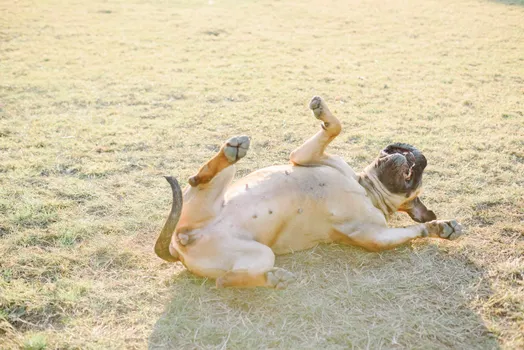
Large English guardian developed to hold poachers; calm and devoted at home but powerful enough to require serious ownership.
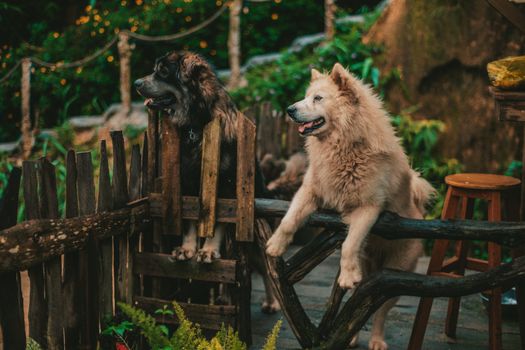
Magnificent, lion-maned gentle giant from Germany, bred as a noble companion and working dog — devoted to family, patient with children, and strikingly trainable for their size, but with a shorter lifespan and significant grooming commitment.
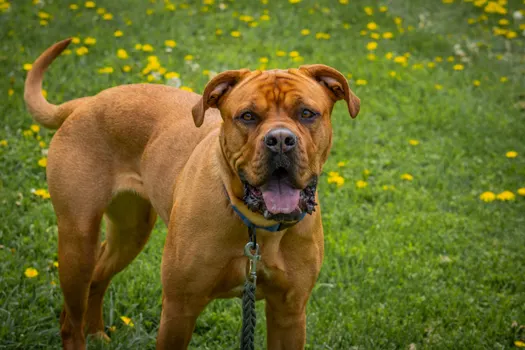
Colossal ancient guardian with a calm, dignified temperament, enormous space and cost needs, and a shorter giant-breed lifespan.
Compare & learn more
Head-to-head comparisons
What matters most for a family dog?
Help improve PupWiki with one quick anonymous answer.
Find my breed match →