
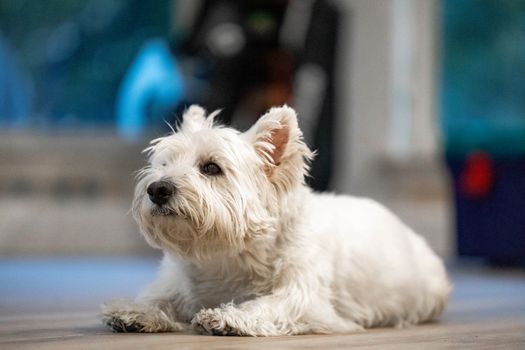
West Highland White Terrier
Confident, spirited white terrier with an independent streak; adaptable to apartment or house life but requires patient training and regular grooming.

Quick facts: West Highland White Terrier
- Size
- Small
- Weight
- 3.2–4.5 kg
- Origin
- Scotland
- Life span
- 13–15 years
- Temperament
- Self-assured, alert, curious, independent, friendly
- Energy level
- High
- Grooming needs
- High
- Trainability
- Medium
- Apartment fit
- Medium
- Typical annual cost
- ~$1,900
Is the West Highland White Terrier right for you?
Best for
- Adults or families with older children wanting a spirited small breed
- Apartment dwellers who can handle moderate barking
- Owners who enjoy regular grooming routines
- Those wanting a long-lived, robust small dog
Not ideal if
- Households with toddlers or very young children (terrier temperament)
- Homes with cats or small pets (strong prey drive)
- Those wanting a quiet, biddable small breed
- Owners unable to manage skin condition costs
Sturdy, spirited small breed that adapts well to apartment life — expect terrier independence, vocal alertness, and coat care commitment.
Trait snapshot
What owners actually say
Westie owners love their spirited, confident little terriers — and learn quickly about the skin condition costs and independent streak that come with the breed.
- General
Bold, confident, and entertaining. Owners describe a personality far bigger than the body — Westies have opinions and express them. Charming and funny, but unmistakably terrier in temperament.
- Training
Training requires patience and high-value rewards. Owners describe a dog that is intelligent but chooses when to comply. Harsh methods or repetitive drills result in a Westie that simply walks away.
- Health reality
Skin conditions are the health issue most Westie owners encounter. Atopic dermatitis and allergies can mean recurring vet visits and dietary adjustments. Owners with affected dogs describe significant ongoing costs.
- Grooming
The white coat needs regular professional grooming — hand-stripping or clipping every 6-8 weeks. Owners who DIY grooming invest significant time. The white coat also shows dirt visibly between sessions.
- Apartment life
Surprisingly adaptable to apartment life for a terrier. Owners in flats describe the breed managing well with consistent daily walks. The barking requires management in shared-wall buildings.
Editorial summary. Phase 3 will add structured owner survey data.
Cost snapshot
Range $1,100–$3,200
Range $2,200–$6,500
After first year
Annual breakdown
Assumptions used:
- Regular professional grooming required
- Skin conditions can mean recurring vet or dermatologist costs
- Long lifespan (13–15 years) means sustained lifetime commitment
Last reviewed: 2026-06-20
Read full methodology →Health watchlist
Health information is educational only. Always consult your veterinarian.
Skin conditions (atopic dermatitis, Westie Lung Disease)
Westies are prone to skin allergies and atopic dermatitis. 'Westie Armadillo Syndrome' (epidermal dysplasia) and pulmonary fibrosis (Westie Lung Disease) are serious conditions in the breed. Discuss preventive monitoring with your vet.
Legg-Calvé-Perthes disease
Avascular necrosis of the femoral head is more common in small terriers. Symptoms include limping, usually in puppies. Surgical correction is often effective. Consult your vet.
Patellar luxation
Common in small breeds. OFA patellar examination is available and recommended by responsible breeders. Consult your vet.
Dental disease
Small terriers are prone to dental issues. Regular brushing is important. Consult your vet for guidance specific to your dog.
Allergies
Westies are especially prone to atopic dermatitis. Many require ongoing management of skin allergies. Consult your vet for guidance specific to your dog.
Check your fit
Answer a few questions to see how a West Highland White Terrier fits your household.
Frequently asked questions
Are West Highland Terriers hypoallergenic?
Are Westies easy to train?
Are West Highland Terriers good with children?
How much grooming does a Westie need?
How much does it cost to own a West Highland White Terrier?
What health problems are West Highland White Terriers prone to?
Are West Highland White Terriers good apartment dogs?
Are West Highland White Terriers good for first-time owners?
How long do West Highland White Terriers live?
Tools for West Highland White Terrier owners
Similar breeds to the West Highland White Terrier
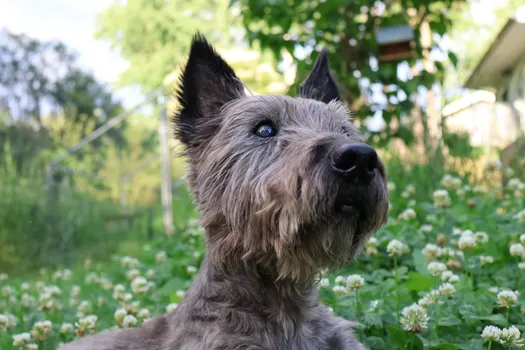
Hardy working terrier with an otter-like head; affectionate and practical, but still driven, diggy, and prey-aware.

Merry, compact sporting spaniel; affectionate and versatile, with silky coat care and meaningful exercise needs.

Compact, spirited terrier type with a wiry low-shedding coat; adaptable, alert, and highly trainable.
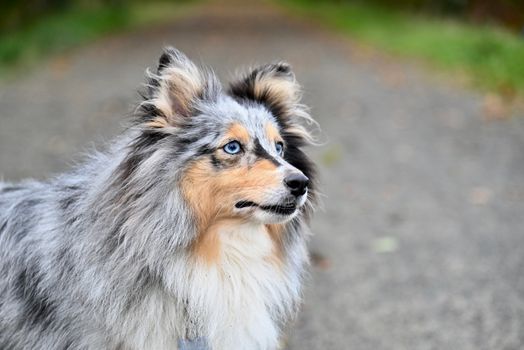
Highly intelligent miniature collie with exceptional trainability; devoted, vocal companion that excels at obedience and agility but sheds heavily.

Original medium-sized German schnauzer: bearded, sporty, watchful, clever, and more intense than many first-time owners expect.

Small rugged terrier from Australia; alert, spirited, loyal, and packed with old-school vermin-hunting grit.
Compare & learn more
Head-to-head comparisons

Which breed content should PupWiki improve most?
Help improve PupWiki with one quick anonymous answer.
Find my breed match →