
Australian Terrier
Small rugged terrier from Australia; alert, spirited, loyal, and packed with old-school vermin-hunting grit.
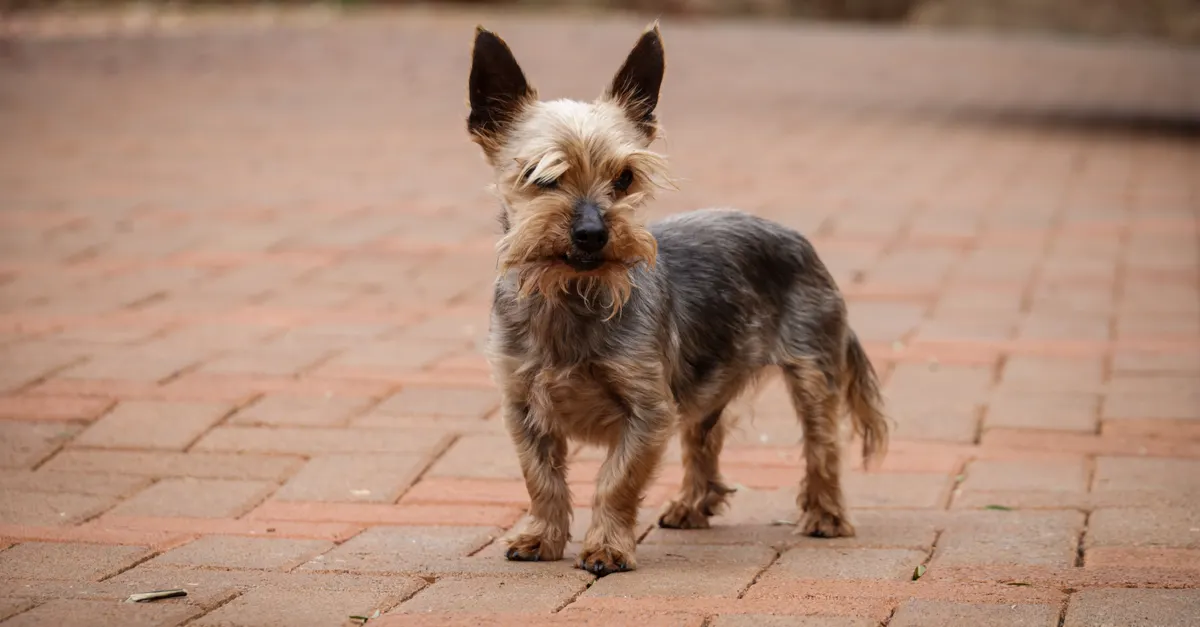
Photo by Magda Ehlers on Pexels
Quick facts: Australian Terrier
- Size
- Small
- Weight
- 6.8–9.1 kg
- Origin
- Australia
- Life span
- 11–15 years
- Temperament
- Spirited, alert, courageous, affectionate
- Energy level
- High
- Grooming needs
- Medium
- Trainability
- Medium‑high
- Apartment fit
- High
- Typical annual cost
- ~$2,000
Is the Australian Terrier right for you?
Best for
- Apartment owners who can manage barking
- Families wanting a hardy small dog
- People who enjoy terrier personality and training games
- Owners seeking lower grooming than many small coated breeds
Not ideal if
- You want a quiet, soft, low-prey-drive toy dog
- You have small pets loose in the home
- You dislike digging or alert barking
- You expect effortless off-leash reliability
A sturdy small terrier for owners who want personality and portability, not a passive lapdog.
Trait snapshot
Australian Terrier is part of the Terrier Group — see group tendencies →
Build a personalised training plan for your Australian Terrier →
What owners actually say
Australian Terrier owners like the sturdy small size and cheerful confidence, while warning that barking, prey drive, and digging are classic terrier realities.
- Apartment life
Small size helps apartment fit, but barking control is the deciding factor in shared-wall living.
- Barking
Alert barking is common. Owners who train early usually manage it; owners who ignore it often struggle.
- Energy
More active than many expect from the size. Daily walks, play, and problem-solving games prevent nuisance behaviour.
- Training
Smart and game-oriented, but independent. The best results come from turning training into something worth doing.
- General
Owners appreciate that the breed feels like a big terrier personality in a portable package.
- Health reality
Prey-driven chasing and digging create practical safety risks around yards, gates, and small pets.
Editorial owner-reality summary based on breed traits, reputable breed-source patterns, and common owner-reported friction points. Phase 3 can replace or augment this with structured PupWiki owner survey data.
Cost snapshot
Range $1,100–$3,500
Range $2,300–$7,000
After first year
Annual breakdown
Assumptions used:
- Small food volume
- Grooming is moderate but coat maintenance still matters
- Training and enrichment helps control barking and digging
- Dental and orthopedic preventive care should be budgeted
Last reviewed: 2026-07-02
Read full methodology →Health watchlist
Health information is educational only. Always consult your veterinarian.
Patellar luxation
Small terriers can develop kneecap instability. Keep weight lean and seek veterinary advice for skipping or intermittent lameness.
Allergies and skin irritation
Itching, recurrent ear issues, or skin redness can occur in terrier-type dogs and should be addressed before becoming chronic.
Legg-Calvé-Perthes disease
Small breeds can be affected by hip-joint blood-supply disorders. Limping or pain in young dogs requires veterinary assessment.
Prey drive and escape risk
The breed's vermin-hunting background can show up as chasing, digging, and bolting after small animals. Use secure fencing and leash management.
Check your fit
Answer a few questions to see how a Australian Terrier fits your household.
Frequently asked questions
Are Australian Terriers good apartment dogs?
Do Australian Terriers bark a lot?
Are Australian Terriers good with children?
Do Australian Terriers shed?
Are Australian Terriers easy to train?
Can Australian Terriers live with cats?
What health conditions are common in Australian Terriers?
How much exercise do Australian Terriers need?
Tools for Australian Terrier owners
Similar breeds to the Australian Terrier
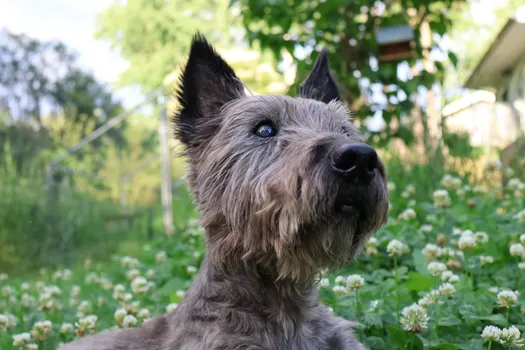
Hardy working terrier with an otter-like head; affectionate and practical, but still driven, diggy, and prey-aware.
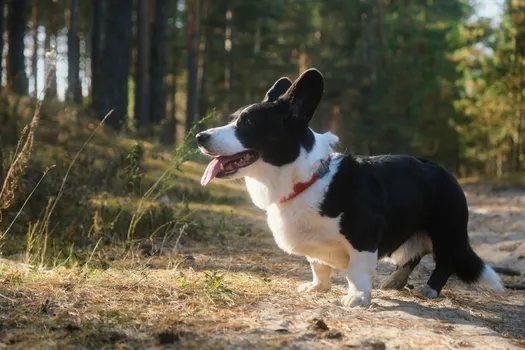
Long-bodied Welsh cattle dog with a tail; sturdy, clever, and affectionate, with herding instincts and meaningful shedding.
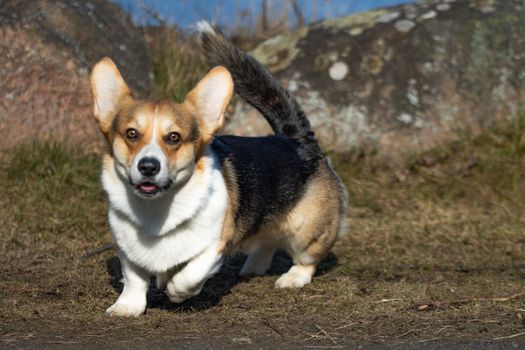
Foxy-faced cattle drover; affectionate, agile, and outspoken.
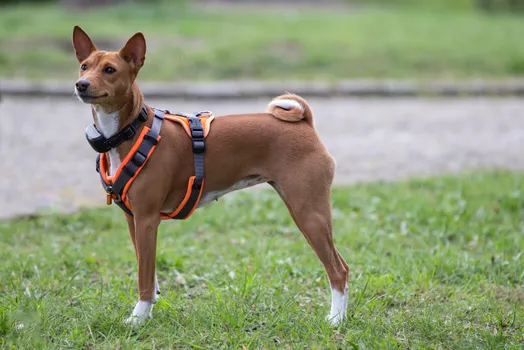
Compact African hunting hound famous for its quiet, yodel-like voice, catlike cleanliness, and independent mind.
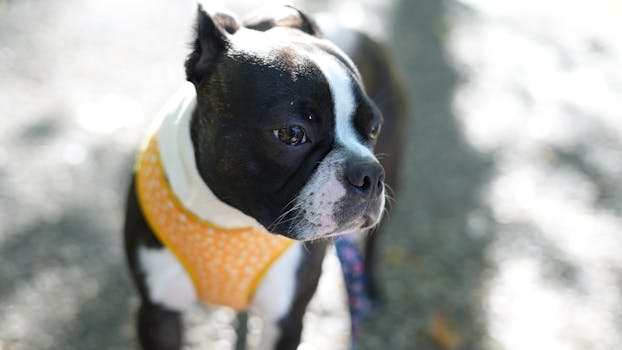
Compact companion nicknamed the American Gentleman; lively yet mannerly with minimal grooming needs.
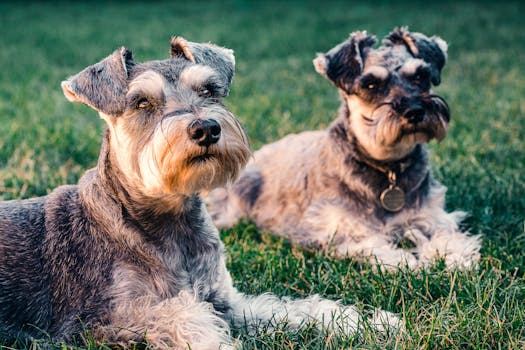
Compact, spirited terrier type with a wiry low-shedding coat; adaptable, alert, and highly trainable.
Compare & learn more
What would make you hesitate about this breed?
Help improve PupWiki with one quick anonymous answer.
Find my breed match →