
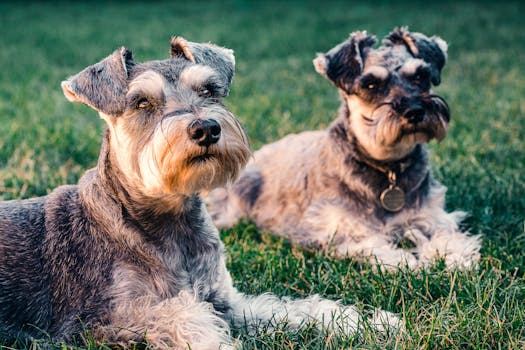
Miniature Schnauzer
Compact, spirited terrier type with a wiry low-shedding coat; adaptable, alert, and highly trainable.
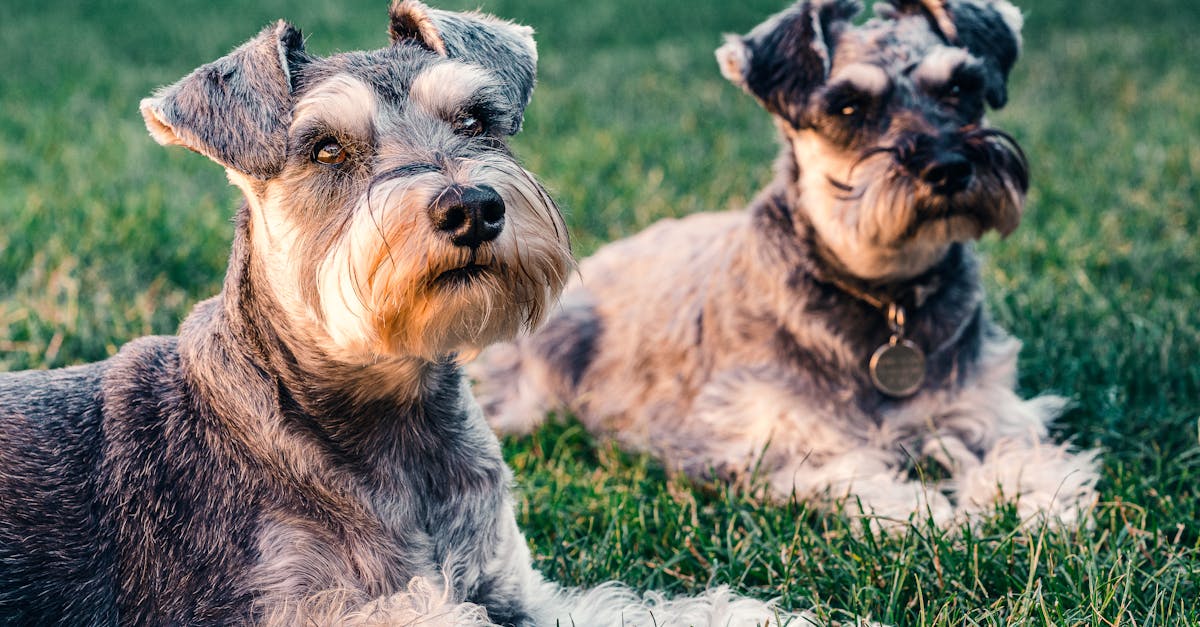
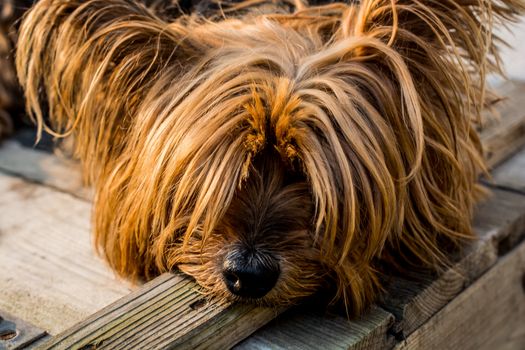
Photo by Sebastian Coman Travel on Pexels
Quick facts: Miniature Schnauzer
- Size
- Small
- Weight
- 5–9.1 kg
- Origin
- Germany
- Life span
- 12–15 years
- Temperament
- Friendly, smart, obedient, spirited
- Energy level
- High
- Grooming needs
- High
- Trainability
- Low
- Apartment fit
- Very‑high
- Typical annual cost
- ~$1,900
Is the Miniature Schnauzer right for you?
Best for
- Apartment and city dwellers
- Allergy-conscious households (very low shedding)
- Active owners wanting a trainable, engaged companion
- First-time owners willing to invest in training
Not ideal if
- Those wanting a quiet, non-vocal breed
- Owners unprepared for regular professional grooming
- Households with small pets (terrier prey drive)
Adaptable, alert city companion with minimal shedding — but vocal and requires regular professional grooming.
Trait snapshot
Miniature Schnauzer is part of the Terrier Group — see group tendencies →
What owners actually say
Mini Schnauzer owners love the breed’s personality and low shedding — and are upfront about the barking tendency and the grooming commitment.
- Barking
They bark — a lot. Owners in apartments report needing consistent training from an early age. Without it, alert barking becomes a daily frustration.
- grooming
Professional grooming every 6–8 weeks is a real ongoing cost. Owners who budget for it from the start say it’s manageable; those who don’t find it catches them off guard.
- Shedding
One of the best aspects — almost no shedding. Owners with allergies or light-coloured furniture consistently highlight this as a major plus.
- Apartment life
Well suited to apartment living when their exercise and stimulation needs are met. Their size and moderate exercise needs are a good fit for city life.
- Training
Smart and responsive. Owners find them easy to train with reward-based methods. Their terrier streak means they can be selective about following commands if training lapses.
- General
Owners describe them as full of personality in a compact package. The grooming and barking are the main considerations — those who manage both tend to adore the breed.
- Health reality
Pancreatitis risk surprises many Schnauzer owners. The breed is prone to high triglycerides, and owners learn quickly that dietary management and avoiding high-fat treats is a lifelong commitment.
Editorial summary based on owner accounts and breed community feedback.
Cost snapshot
Range $1,100–$3,200
Range $2,200–$6,500
After first year
Annual breakdown
Assumptions used:
- Small breed food
- Professional grooming every 6-8 weeks
- Very low shedding — grooming cost offsets shed cleanup
Last reviewed: 2026-06-20
Read full methodology →Health watchlist
Health information is educational only. Always consult your veterinarian.
Hyperlipidaemia
Miniature Schnauzers have elevated rates of high blood triglycerides. A low-fat diet and regular vet monitoring help manage this risk. Consult your vet for guidance specific to your dog.
Bladder stones
More common than average in the breed. Dietary management and good hydration help reduce risk. Consult your vet for guidance specific to your dog.
Eye conditions (PRA, cataracts)
Hereditary eye conditions occur in the breed. Reputable breeders screen parents. Consult your vet for guidance specific to your dog.
Pancreatitis
The breed is prone to high triglycerides and pancreatitis. Avoid high-fat foods and treats. Consult your vet for guidance specific to your dog.
Dental disease
Regular dental care is important to prevent periodontal disease. Consult your vet for guidance specific to your dog.
Check your fit
Answer a few questions to see how a Miniature Schnauzer fits your household.
Frequently asked questions
Do Miniature Schnauzers bark a lot?
Are Miniature Schnauzers hypoallergenic?
Are Miniature Schnauzers good for first-time owners?
How much grooming does a Miniature Schnauzer need?
How much does it cost to own a Miniature Schnauzer?
What health problems are Miniature Schnauzers prone to?
Are Miniature Schnauzers easy to train?
Are Miniature Schnauzers good apartment dogs?
How long do Miniature Schnauzers live?
Tools for Miniature Schnauzer owners
Similar breeds to the Miniature Schnauzer
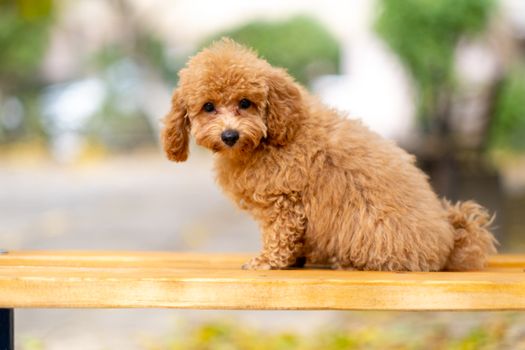
Highly intelligent, low-shedding small breed; ideal for apartments, allergy-sensitive households, and owners who want serious trainability in a compact package.
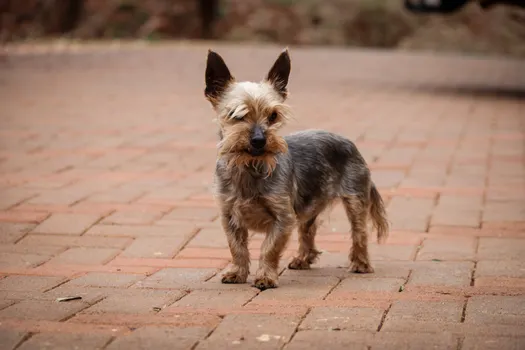
Small rugged terrier from Australia; alert, spirited, loyal, and packed with old-school vermin-hunting grit.
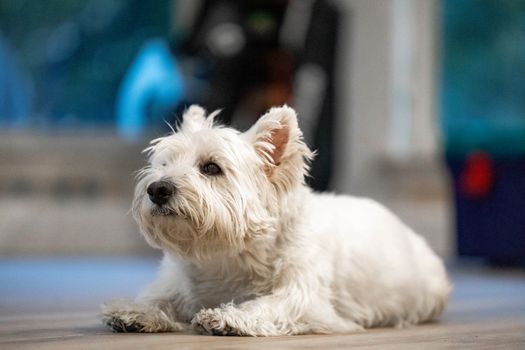
Confident, spirited white terrier with an independent streak; adaptable to apartment or house life but requires patient training and regular grooming.
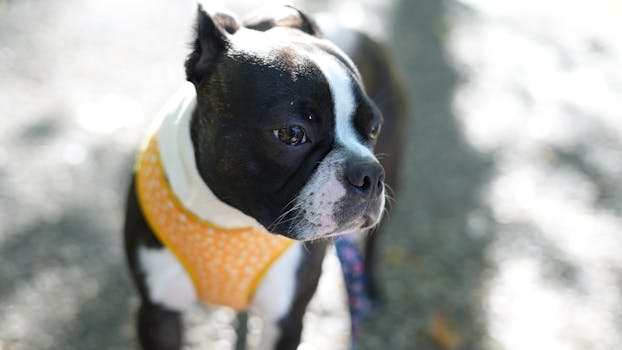
Compact companion nicknamed the American Gentleman; lively yet mannerly with minimal grooming needs.
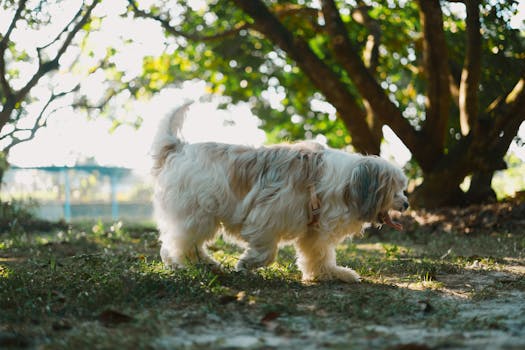
Cuba's national dog — a small, cheerful companion with a silky coat, low shedding, and exceptional adaptability to urban and apartment life.
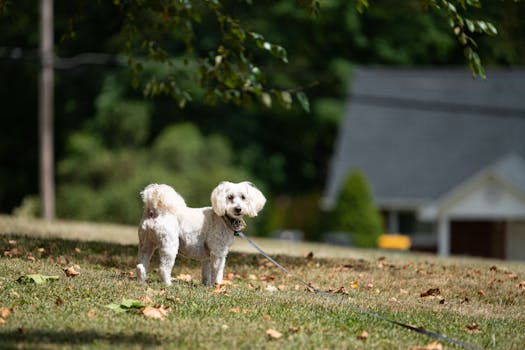
Popular Maltese-Poodle designer mix; low-shedding, affectionate, and apartment-friendly — but coat, temperament, and health vary significantly between individuals due to hybrid genetics.
Compare & learn more
Head-to-head comparisons
What would help you avoid choosing the wrong breed?
Help improve PupWiki with one quick anonymous answer.
Find my breed match →