
Border Terrier
Hardy working terrier with an otter-like head; affectionate and practical, but still driven, diggy, and prey-aware.

Photo by Jordan Heinz on Pexels
Quick facts: Border Terrier
- Size
- Small
- Weight
- 5.2–7.1 kg
- Origin
- England/Scotland border region
- Life span
- 12–15 years
- Temperament
- Affectionate, plucky, even-tempered, agile
- Energy level
- High
- Grooming needs
- Medium
- Trainability
- Medium
- Apartment fit
- Medium
- Typical annual cost
- ~$1,900
Is the Border Terrier right for you?
Best for
- Active households wanting a sturdy small dog
- Owners who enjoy walking, hiking, and training games
- Families wanting a less flashy but capable terrier
- People willing to manage digging and chase instincts
Not ideal if
- You want reliable off-leash freedom around wildlife
- You have small pets without careful management
- You want a silent or zero-maintenance dog
- You dislike terrier independence
A practical small terrier for active owners who respect prey drive and the wiry coat.
Trait snapshot
Border Terrier is part of the Terrier Group — see group tendencies →
What owners actually say
Border Terrier owners consistently highlight the breed's practical size, sturdy temperament, and affectionate nature — while warning that prey drive, barking, and terrier independence remain part of the package.
- General
Owners often call the Border Terrier practical: sturdy, affectionate, outdoorsy, and less dramatic-looking than many small companion breeds.
- Energy
The breed is small but not soft. Daily sniffing, walking, and digging-safe outlets make a noticeable behaviour difference.
- Training
Training goes best when it feels like a game. Border Terriers understand quickly, but terrier priorities can outrank human requests outdoors.
- Grooming
The wiry coat is manageable, but owners who want correct texture may need hand-stripping rather than simple clipping.
- Apartment life
Apartment fit is possible, but only with barking management and exercise. A bored Border can become noisy or destructive.
- General
The biggest lifestyle warning is prey drive. Owners are happiest when they respect the breed's working terrier roots instead of expecting toy-dog instincts.
Editorial summary based on owner accounts, breed-community patterns, and breed-purpose analysis. Phase 3 can replace or supplement these notes with structured owner survey data.
Cost snapshot
Range $1,000–$3,300
Range $2,000–$6,700
After first year
Annual breakdown
Assumptions used:
- Small-breed food costs
- Hand-stripping or coat maintenance may apply
- Training/enrichment for terrier instincts
Last reviewed: 2026-07-02
Read full methodology →Health watchlist
Health information is educational only. Always consult your veterinarian.
Dental care
Small breeds benefit from routine dental prevention. Brush teeth where possible and budget for professional cleanings. Ask your vet for guidance specific to your dog.
Patellar luxation
Watch for hind-leg skipping or intermittent lameness. Keep the dog lean and consult your vet if symptoms appear.
Canine epileptoid cramping syndrome awareness
Border Terrier communities discuss movement/cramping episodes; any unusual collapse, cramping, or seizure-like event should be recorded and reviewed by a vet.
Allergies and skin irritation
Itching, paw licking, ear irritation, or recurrent skin problems should be assessed rather than repeatedly masked. Ask your vet for guidance specific to your dog.
Prey-drive safety
The breed was developed for fox work. Manage off-leash areas, wildlife, cats, and small pets carefully. Ask your vet for guidance specific to your dog.
Check your fit
Answer a few questions to see how a Border Terrier fits your household.
Frequently asked questions
Are Border Terriers good family dogs?
Are Border Terriers good apartment dogs?
Do Border Terriers shed?
Are Border Terriers easy to train?
Can Border Terriers live with cats?
How much exercise does a Border Terrier need?
Do Border Terriers bark a lot?
What health problems are Border Terriers prone to?
How long do Border Terriers live?
Tools for Border Terrier owners
Similar breeds to the Border Terrier
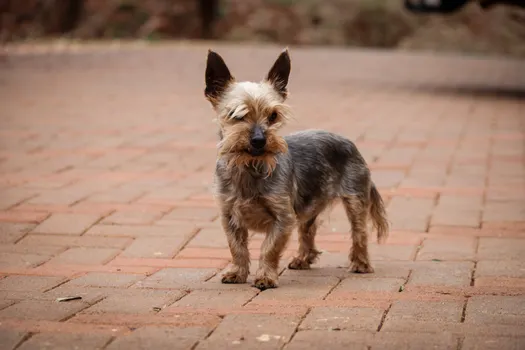
Small rugged terrier from Australia; alert, spirited, loyal, and packed with old-school vermin-hunting grit.

Small pack hound built for endurance and scent work; merry, social, and food-motivated.

Compact American herding dog resembling a small Australian Shepherd; bright, agile, loyal, and far more driven than its size suggests.
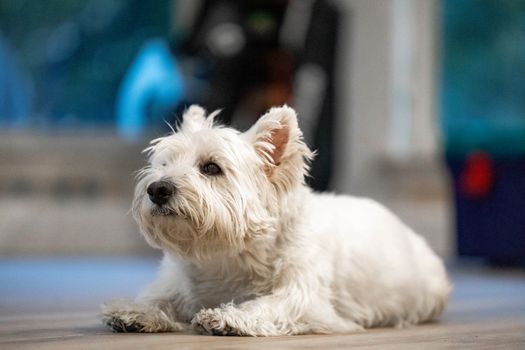
Confident, spirited white terrier with an independent streak; adaptable to apartment or house life but requires patient training and regular grooming.
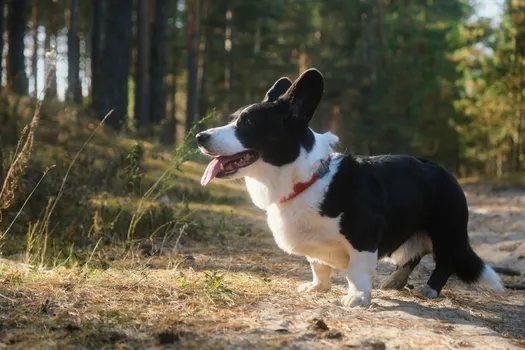
Long-bodied Welsh cattle dog with a tail; sturdy, clever, and affectionate, with herding instincts and meaningful shedding.
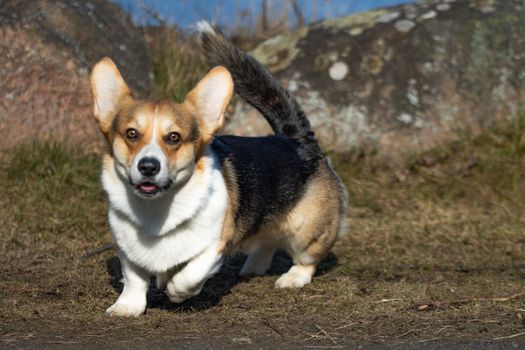
Foxy-faced cattle drover; affectionate, agile, and outspoken.
Compare & learn more
Relevant guides
What matters most for a family dog?
Help improve PupWiki with one quick anonymous answer.
Find my breed match →