
Shetland Sheepdog
Highly intelligent miniature collie with exceptional trainability; devoted, vocal companion that excels at obedience and agility but sheds heavily.
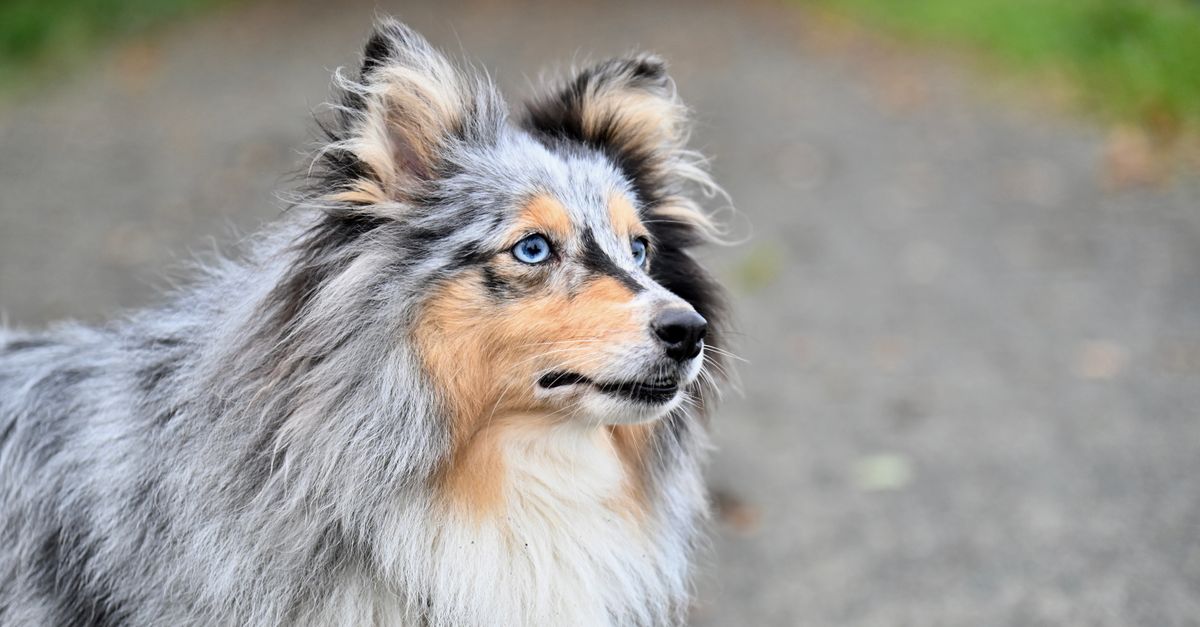
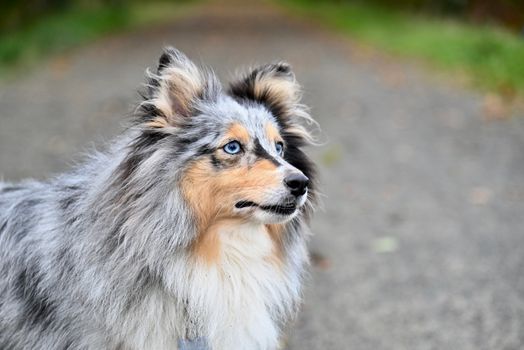
Photo by JacLou- DL on Pexels
Quick facts: Shetland Sheepdog
- Size
- Small
- Weight
- 3.2–5 kg
- Origin
- Scotland (Shetland Islands)
- Life span
- 12–14 years
- Temperament
- Loyal, playful, energetic, alert, trainable
- Energy level
- High
- Grooming needs
- Very‑high
- Trainability
- Very‑low
- Apartment fit
- Low
- Typical annual cost
- ~$1,900
Is the Shetland Sheepdog right for you?
Best for
- Owners who want to train seriously (obedience, agility, tricks)
- Families with children in homes with yards
- Active owners who can provide daily mental and physical stimulation
Not ideal if
- Apartment dwellers or noise-sensitive households (extensive barking)
- Those allergic to or unable to manage heavy shedding
- Owners who will be away for long hours (prone to separation anxiety)
- Those wanting a quiet, low-maintenance breed
One of the most trainable breeds available — but barking and heavy shedding are significant lifestyle factors to plan for.
Trait snapshot
Shetland Sheepdog is part of the Herding Group — see group tendencies →
What owners actually say
Shetland Sheepdog owners describe one of the most rewarding training partnerships in the dog world — and are candid about the barking and shedding that come with it.
- Training
Training a Sheltie is described as exceptional. Owners at all experience levels find the responsiveness and eagerness to learn genuinely remarkable. Many have completed multiple levels of obedience or agility titles.
- Barking
The barking is the most frequently cited challenge. Owners describe it as a breed characteristic rather than a behaviour problem — Shelties bark to alert, to communicate, and sometimes for no apparent reason. Apartment living requires significant management.
- Shedding
Heavy shedding year-round with seasonal peaks. Owners describe finding fur constantly and investing in quality brushing tools to stay ahead of matting. Not a breed for households sensitive to dog hair.
- Health reality
MDR1 drug sensitivity is something every new Sheltie owner needs to know about immediately. Owners with vets unfamiliar with herding breeds report having to advocate for their dog's safety before any medication is prescribed.
- Alone time
Prone to separation anxiety if not conditioned carefully. Owners with long work hours describe needing structured routines, enrichment, and gradual alone-time training. High-drive breeds need the mental outlet.
Editorial summary. Phase 3 will add structured owner survey data.
Cost snapshot
Range $1,100–$3,200
Range $2,200–$6,500
After first year
Annual breakdown
Assumptions used:
- High grooming needs (professional grooming or significant owner time)
- MDR1 testing recommended (one-time cost)
- Active, engaged breed benefits from enrichment activities and training classes
Last reviewed: 2026-06-20
Read full methodology →Health watchlist
Health information is educational only. Always consult your veterinarian.
MDR1 gene mutation (drug sensitivity)
Shelties have a high prevalence of the MDR1 mutation, which causes severe reactions to certain common medications (ivermectin, loperamide, and others). Genetic testing is strongly recommended before any medication use. Consult your vet.
Collie Eye Anomaly (CEA) and PRA
Eye conditions are prevalent in the breed. DNA testing is available; responsible breeders screen for both CEA and PRA. Consult your vet.
Hip dysplasia
Present at moderate rates in the breed. OFA screening of parent dogs is standard in responsible breeding programs. Consult your vet.
Thyroid disease
Hypothyroidism occurs at above-average rates. Routine thyroid screening is recommended. Consult your vet for guidance specific to your dog.
Epilepsy
Idiopathic epilepsy occurs in the breed. Most cases respond well to medication. Consult your vet for guidance specific to your dog.
Check your fit
Answer a few questions to see how a Shetland Sheepdog fits your household.
Frequently asked questions
Do Shetland Sheepdogs bark a lot?
Are Shetland Sheepdogs easy to train?
How much do Shetland Sheepdogs shed?
What is the MDR1 drug sensitivity in Shelties?
How much does it cost to own a Shetland Sheepdog?
What health problems are Shetland Sheepdogs prone to?
How much grooming does a Shetland Sheepdog need?
Are Shetland Sheepdogs good apartment dogs?
Are Shetland Sheepdogs good for first-time owners?
How long do Shetland Sheepdogs live?
Tools for Shetland Sheepdog owners
Similar breeds to the Shetland Sheepdog
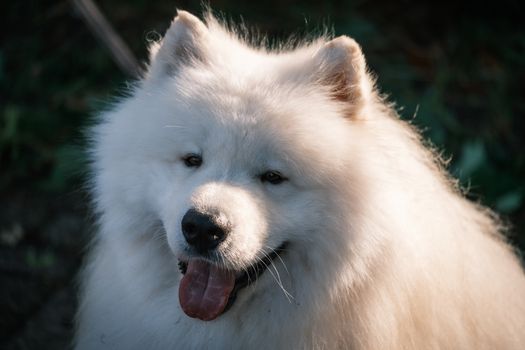
Beautiful white Spitz breed with a warm, sociable temperament; heavy shedding and significant grooming demands are the defining ownership challenge.
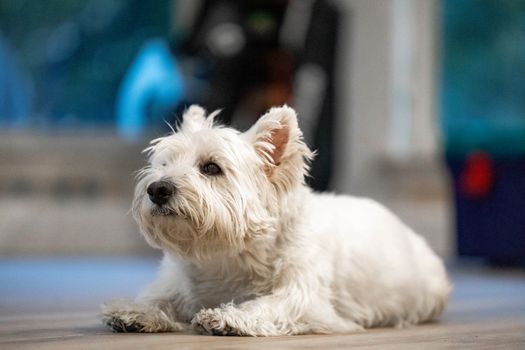
Confident, spirited white terrier with an independent streak; adaptable to apartment or house life but requires patient training and regular grooming.
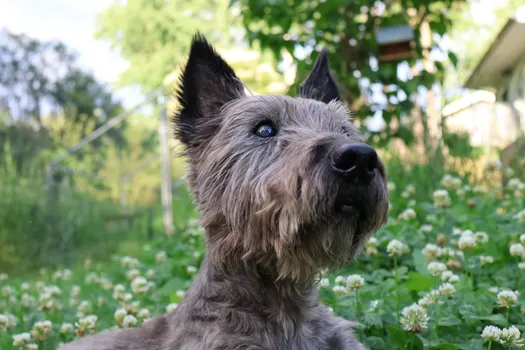
Hardy working terrier with an otter-like head; affectionate and practical, but still driven, diggy, and prey-aware.

Highly intelligent, low-shedding small breed; ideal for apartments, allergy-sensitive households, and owners who want serious trainability in a compact package.

Athletic Portuguese fisherman's helper with a curly or wavy low-shedding coat, strong trainability, and high grooming needs.

Happy Irish farm terrier with a silky low-shedding wheaten coat, exuberant greetings, and grooming needs that surprise many owners.
Compare & learn more
Head-to-head comparisons
Which breed factor do you research first?
Help improve PupWiki with one quick anonymous answer.
Find my breed match →