
German Shepherd Dog
Versatile herding and protection dog known for intelligence and courage; excels in work with steady training.
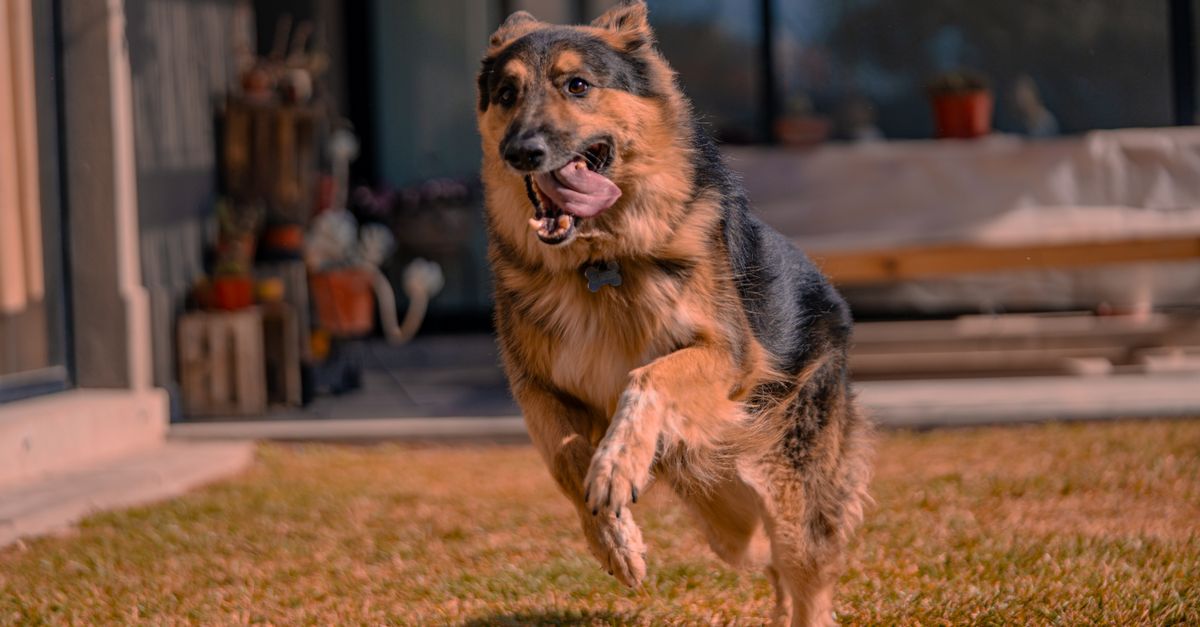
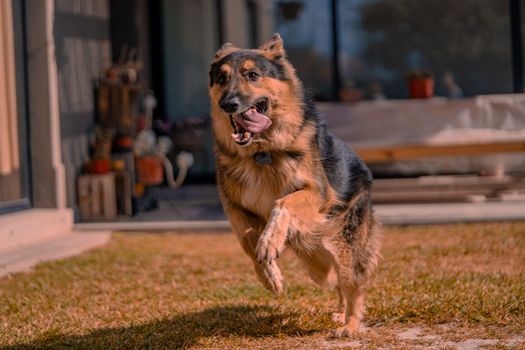
Photo by Nano Erdozain on Pexels
Quick facts: German Shepherd Dog
- Size
- Large
- Weight
- 29.5–40.8 kg
- Origin
- Germany
- Life span
- 9–13 years
- Temperament
- Confident, loyal, alert, hardworking
- Energy level
- Very‑high
- Grooming needs
- Medium
- Trainability
- Very‑low
- Apartment fit
- Low
- Typical annual cost
- ~$2,700
Is the German Shepherd Dog right for you?
Best for
- Experienced or motivated owners
- Active individuals or families
- Those wanting a highly trainable, versatile breed
- Security-conscious households
Not ideal if
- First-time owners without commitment to consistent training
- Small apartments with no outdoor access
- Owners away for long periods daily
A loyal, high-performance breed that thrives with structure, training, and an active lifestyle.
Trait snapshot
What owners actually say
German Shepherd owners describe a deeply rewarding but demanding relationship — shedding, socialization, and health vigilance are all part of the bargain.
- Shedding
Hair is everywhere, year-round, and during twice-annual coat blows it intensifies dramatically. Lint rollers, weekly vacuuming, and accepting that dark clothing will always have hair on it — this is daily life with a GSD.
- Alone time
German Shepherds form intensely close bonds and want to be wherever you are. Long solo hours without a plan — dog walker, daycare, or someone home — leads to anxiety and destructive behaviour fairly quickly.
- Training
GSDs not extensively socialized in the 8–16 week window can develop fearful or reactive behaviour that is difficult to address later. Puppy classes and intentional exposure to people, sounds, and environments in the first months are foundational, not optional.
- Health reality
A significant proportion of German Shepherd owners face hip-related vet bills — from diagnostic imaging to surgery. Pet insurance covering hereditary conditions purchased before symptoms appear is worth serious consideration for this breed specifically.
- Energy
A German Shepherd without enough mental and physical stimulation will tell you clearly — through barking, digging, chewing, or pacing. This is a working dog expressing unmet needs. Training, sports, and a consistent daily routine make the difference.
- Barking
German Shepherds are natural watchdogs. Strangers, unusual sounds, and new situations trigger alert barking. Training can teach an off cue, but expecting a naturally quiet GSD is unrealistic. Apartment living near noise-sensitive neighbours requires extra training investment.
Editorial summary based on owner accounts and breed community feedback.
Cost snapshot
Range $1,700–$4,500
Range $2,800–$9,000
After first year
Annual breakdown
Assumptions used:
- Large breed food (high volume)
- Regular deshedding tools and brushing
- Hip/elbow OFA screening recommended
Last reviewed: 2026-06-20
Read full methodology →Health watchlist
Health information is educational only. Always consult your veterinarian.
Hip dysplasia
One of the most common issues in the breed. OFA certification for parents is important. Consult your vet for guidance specific to your dog.
Degenerative Myelopathy
A progressive spinal condition; DNA testing for the DM gene is available. Consult your vet for guidance specific to your dog.
Bloat (GDV)
Deep-chested breeds face elevated bloat risk. Avoid feeding directly before or after exercise and know the emergency signs. Consult your vet for guidance specific to your dog.
Bloat/GDV
Deep-chested breed at significant risk. Feed smaller meals and avoid exercise after eating. Discuss preventive gastropexy with your vet.
Check your fit
Answer a few questions to see how a German Shepherd Dog fits your household.
Frequently asked questions
Are German Shepherds good family dogs?
How much exercise does a German Shepherd need?
Are German Shepherds suitable for first-time owners?
Do German Shepherds shed a lot?
How much does it cost to own a German Shepherd Dog?
What health problems are German Shepherd Dogs prone to?
How much grooming does a German Shepherd Dog need?
Are German Shepherd Dogs easy to train?
Are German Shepherd Dogs good apartment dogs?
How long do German Shepherd Dogs live?
Tools for German Shepherd Dog owners
Similar breeds to the German Shepherd Dog
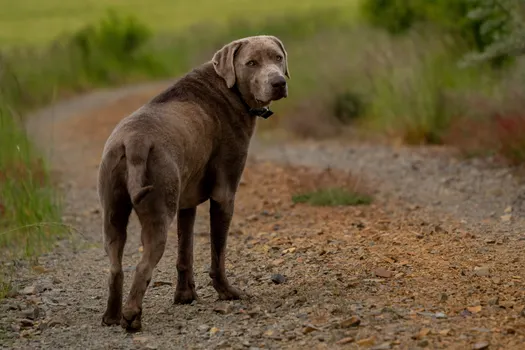
Powerful American water retriever with a waterproof coat, strong loyalty, and a more independent edge than many retrievers.
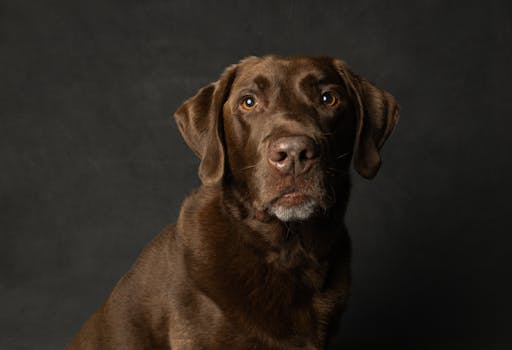
Exuberant and people-oriented gundog; the breed's defining characteristic is its lifelong youthful enthusiasm — and an elevated cancer risk requiring owner awareness.

Rugged German gundog with a weatherproof coat, strong hunting drive, and enormous need for outdoor activity.
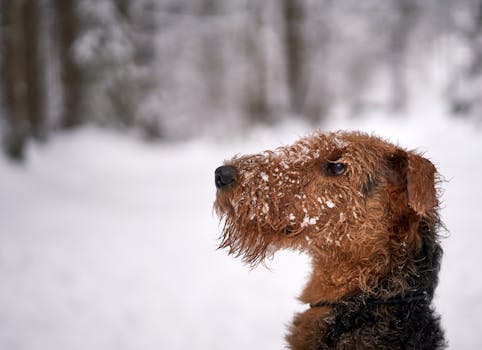
The largest of the terrier breeds; versatile working dog with keen intelligence, stubbornness, and an enthusiastic spirit.

Muscular working and family guard; exuberant and people-loving with a clownish streak.

Powerful German working schnauzer: intelligent, loyal, protective, and demanding of structure, training, and serious daily work.
Compare & learn more
Head-to-head comparisons
Relevant guides
What would make you hesitate about this breed?
Help improve PupWiki with one quick anonymous answer.
Find my breed match →