
Chesapeake Bay Retriever
Powerful American water retriever with a waterproof coat, strong loyalty, and a more independent edge than many retrievers.
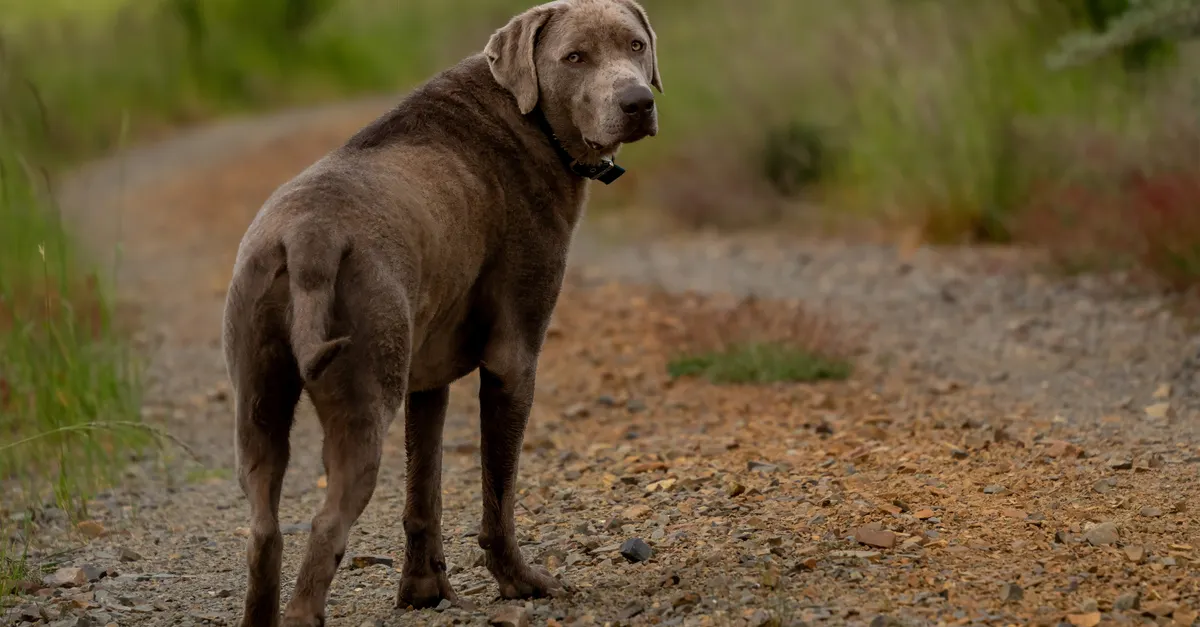
Photo by Gundula Vogel on Pexels
Quick facts: Chesapeake Bay Retriever
- Size
- Large
- Weight
- 24.9–36.3 kg
- Origin
- United States
- Life span
- 10–13 years
- Temperament
- Loyal, intelligent, protective, tireless
- Energy level
- Very‑high
- Grooming needs
- Medium
- Trainability
- Medium
- Apartment fit
- Low
- Typical annual cost
- ~$2,700
Is the Chesapeake Bay Retriever right for you?
Best for
- Experienced retriever or sporting-dog owners
- Hunters, hikers, and water-loving households
- Owners wanting a loyal, substantial dog
- Homes that can provide training and outdoor activity
Not ideal if
- You expect a goofy, universally social Labrador-type temperament
- You want low exercise
- You rely on dog parks for exercise
- You cannot manage strength around water, wildlife, or visitors
A serious, rugged retriever for active owners who appreciate independence, water work, and structure.
Trait snapshot
Chesapeake Bay Retriever is part of the Sporting Group — see group tendencies →
What owners actually say
Chesapeake Bay Retriever owners consistently highlight the breed's loyalty, water drive, and rugged work ethic — and caution that Chessies are more serious and independent than many casual retriever shoppers expect.
- Energy
Owners describe the Chessie as a working retriever with an engine. The dog is happiest when exercise has a job attached to it.
- Training
Training can be excellent, but owners note an independent streak. Repetition without respect or clarity can create resistance.
- General
Many owners love the loyalty and seriousness. Compared with some retrievers, the Chessie can feel more selective, watchful, and bonded to its own people.
- Apartment life
Apartment life is a tough match. Wet-dog realities, size, exercise demands, and outdoor drive create friction quickly.
- Grooming
Coat care is not salon-heavy, but owners warn about shedding, water mess, and not stripping the natural weatherproof coat with excessive bathing.
- Health reality
Orthopedic and conditioning issues matter because the breed is powerful and athletic. Weekend-only exercise is a common mistake.
Editorial summary based on owner accounts, breed-community patterns, and breed-purpose analysis. Phase 3 can replace or supplement these notes with structured owner survey data.
Cost snapshot
Range $1,500–$4,800
Range $2,800–$9,000
After first year
Annual breakdown
Assumptions used:
- Large active-dog food costs
- Training and field/outdoor gear may apply
- Orthopedic screening and water-dog ear care
Last reviewed: 2026-07-02
Read full methodology →Health watchlist
Health information is educational only. Always consult your veterinarian.
Hip and elbow dysplasia
Large active retrievers should come from screened breeding stock. Keep weight lean and condition joints gradually. Ask your vet for guidance specific to your dog.
Progressive retinal atrophy and eye screening
Ask breeders about eye exams and genetic testing where relevant. Report vision changes promptly. Ask your vet for guidance specific to your dog.
Exercise-related injuries
Powerful swimmers and retrievers can overdo repetitive work. Warm up, build stamina gradually, and vary surfaces and activities. Ask your vet for guidance specific to your dog.
Ear care after swimming
Swimming and drop ears can increase moisture exposure. Check ears after water work and consult your vet for recurrent odor, redness, or head shaking.
Bloat/GDV awareness
Large, deep-bodied dogs can be vulnerable to bloat. Feed measured meals and discuss risk-reduction steps with your veterinarian.
Check your fit
Answer a few questions to see how a Chesapeake Bay Retriever fits your household.
Frequently asked questions
Is a Chesapeake Bay Retriever like a Labrador Retriever?
Are Chesapeake Bay Retrievers good family dogs?
How much exercise does a Chesapeake Bay Retriever need?
Are Chesapeake Bay Retrievers easy to train?
Can Chesapeake Bay Retrievers live in apartments?
How much grooming does a Chessie need?
Do Chesapeake Bay Retrievers like water?
What health problems are Chesapeake Bay Retrievers prone to?
How long do Chesapeake Bay Retrievers live?
Tools for Chesapeake Bay Retriever owners
Similar breeds to the Chesapeake Bay Retriever
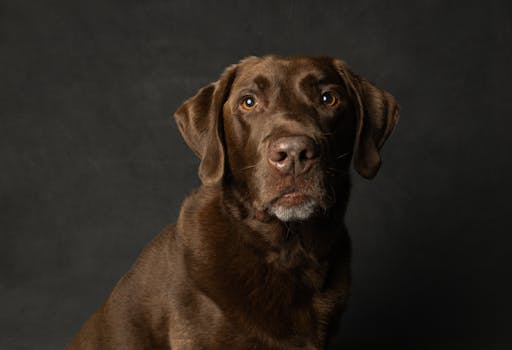
Exuberant and people-oriented gundog; the breed's defining characteristic is its lifelong youthful enthusiasm — and an elevated cancer risk requiring owner awareness.
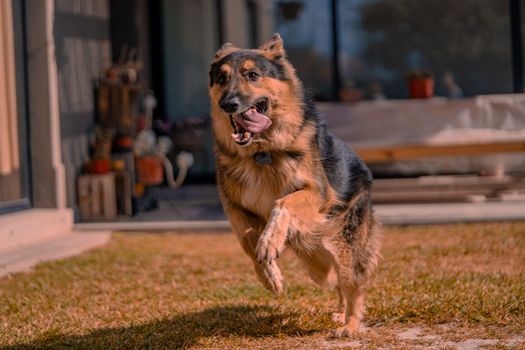
Versatile herding and protection dog known for intelligence and courage; excels in work with steady training.
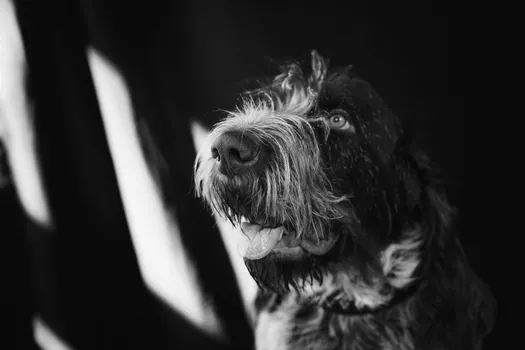
Rugged German gundog with a weatherproof coat, strong hunting drive, and enormous need for outdoor activity.
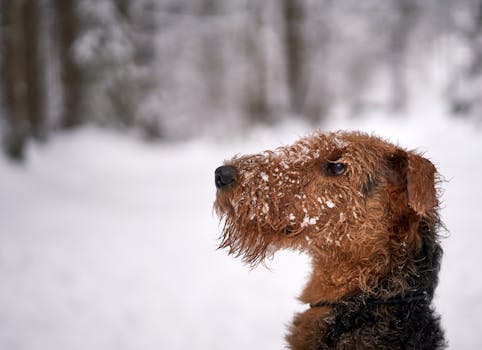
The largest of the terrier breeds; versatile working dog with keen intelligence, stubbornness, and an enthusiastic spirit.
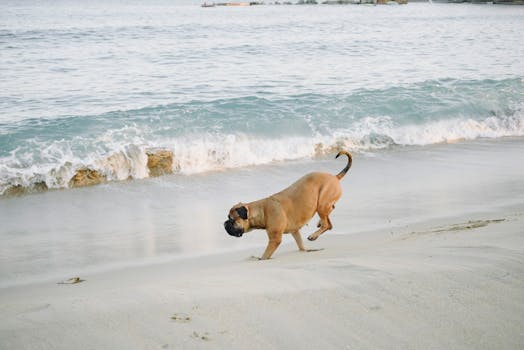
Muscular working and family guard; exuberant and people-loving with a clownish streak.

Powerful German working schnauzer: intelligent, loyal, protective, and demanding of structure, training, and serious daily work.
Compare & learn more
Relevant guides
What would help you avoid choosing the wrong breed?
Help improve PupWiki with one quick anonymous answer.
Find my breed match →