
Flat-Coated Retriever
Exuberant and people-oriented gundog; the breed's defining characteristic is its lifelong youthful enthusiasm — and an elevated cancer risk requiring owner awareness.
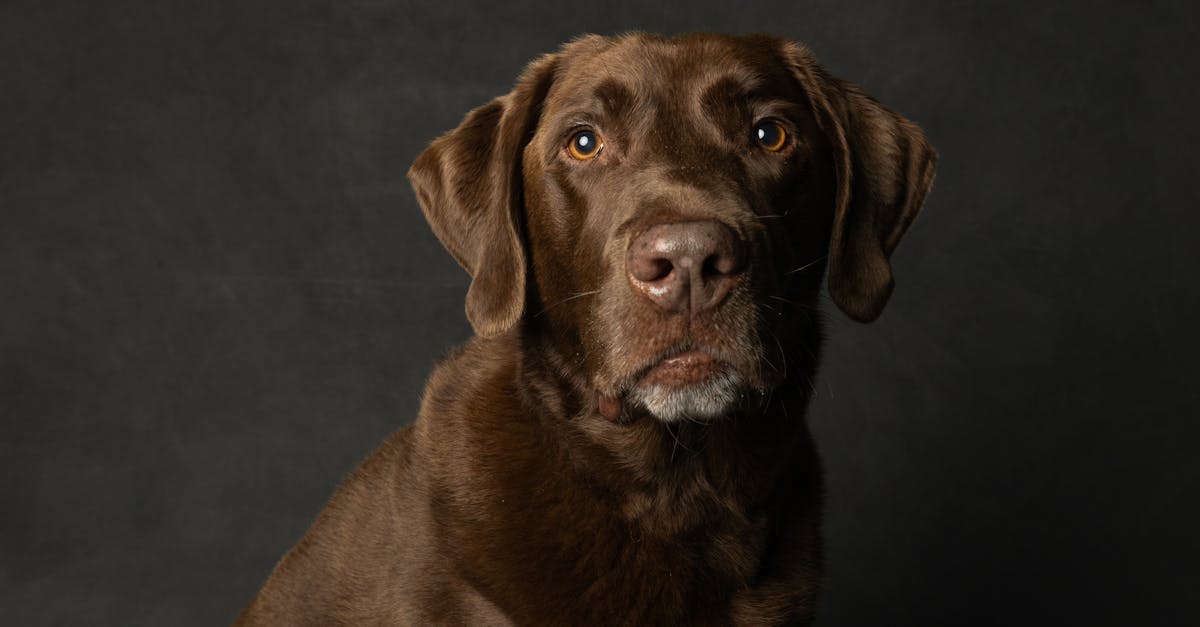
Photo by Sharon Snider on Pexels
Quick facts: Flat-Coated Retriever
- Size
- Large
- Weight
- 24.9–31.8 kg
- Origin
- England
- Life span
- 8–10 years
- Temperament
- Optimistic, outgoing, active, devoted
- Energy level
- Very‑high
- Grooming needs
- Medium
- Trainability
- Very‑low
- Apartment fit
- Low
- Typical annual cost
- ~$2,700
Is the Flat-Coated Retriever right for you?
Best for
- Active families who understand and accept the elevated cancer risk
- Outdoor and sporting households needing an enthusiastic retriever
- Owners who appreciate a perpetually puppy-like companion
Not ideal if
- Those who cannot accept a statistically elevated cancer risk and shorter lifespan
- Sedentary or apartment households
- Owners who want a calm, low-key dog
A joyful, trainable family dog whose exceptional health risk profile (cancer) requires full owner awareness and regular vet screening.
Trait snapshot
Flat-Coated Retriever is part of the Sporting Group — see group tendencies →
What owners actually say
Flat-Coated Retriever owners describe an exceptionally joyful, family-oriented breed that stays puppy-like longer than most — and are candid about the breed's serious cancer risk that every prospective owner must research.
- General
Described by owners as one of the most consistently joyful breeds. The 'Peter Pan' reputation is accurate — these dogs retain puppy energy, enthusiasm, and play drive well into adulthood. Owners describe this as a significant appeal but also note it requires patience with a dog that may not fully settle until 3–4 years of age.
- Training
Highly trainable and eager to work. Owners with sporting or field backgrounds describe exceptional performance for hunting and retrieving work. Family owners describe a responsive, food-motivated dog that learns quickly. The sustained enthusiasm during training sessions is described as a pleasure.
- Health reality
Histiocytic sarcoma is the most important health concern owners consistently raise. The breed has a significantly elevated rate of this aggressive cancer compared to most breeds. Owners describe this as something every prospective Flat-Coat owner must research and accept: the breed's typical lifespan is shorter than many large breeds, and cancer is the primary reason. This is not a reason to avoid the breed, but it cannot be avoided in the research process.
- General
Excellent family dogs with children. The breed's gentle, enthusiastic, and patient temperament makes it consistently recommended for families. Owners describe a dog that integrates naturally into family activity and is reliably gentle with younger children.
- Grooming
The dense, flat coat sheds moderately year-round. Professional grooming is less intensive than many gundog breeds — mainly trimming feathering and keeping the coat clean. Owners describe weekly brushing as sufficient for most conditions with more frequent attention needed during seasonal shedding periods.
Editorial summary. Phase 3 will add structured owner survey data.
Cost snapshot
Range $1,700–$4,500
Range $2,800–$9,000
After first year
Annual breakdown
Assumptions used:
- Active breed — high-quality food for sustained energy levels
- Higher lifetime vet costs given cancer risk — pet insurance strongly recommended
- Standard grooming (moderate feathering requires occasional professional trim)
Last reviewed: 2026-06-20
Read full methodology →Health watchlist
Health information is educational only. Always consult your veterinarian.
Histiocytic sarcoma
Flat-Coated Retrievers have a significantly higher incidence of histiocytic sarcoma (an aggressive cancer) than virtually any other breed — this is the primary reason for their comparatively short average lifespan of 8-10 years. All prospective owners must be aware of this before choosing the breed. Regular veterinary check-ups to detect illness early are important. Pet insurance is strongly recommended. Consult your vet for guidance specific to your dog.
Hip dysplasia
Elevated incidence in large retrieving breeds. Choose breeders who OFA-certify both parents. Maintaining healthy weight and controlled exercise in puppyhood reduces long-term joint risk. Consult your vet for guidance specific to your dog.
Osteosarcoma
Bone cancer is elevated in large-breed retrievers. Unexplained lameness, swelling around a limb, or persistent pain warrants prompt veterinary evaluation. Early detection improves outcomes. Consult your vet for guidance specific to your dog.
Patellar luxation
Can occur occasionally. Watch for intermittent lameness. Consult your vet for guidance specific to your dog.
Bloat/GDV
Deep-chested breed with moderate bloat risk. Feed smaller meals. Consult your vet for guidance specific to your dog.
Check your fit
Answer a few questions to see how a Flat-Coated Retriever fits your household.
Frequently asked questions
Do Flat-Coated Retrievers really have a higher cancer risk?
Are Flat-Coated Retrievers good family dogs?
How much exercise do Flat-Coated Retrievers need?
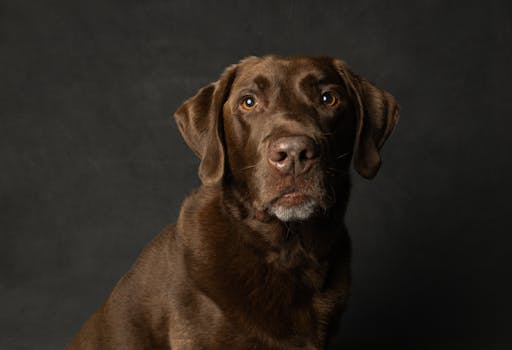
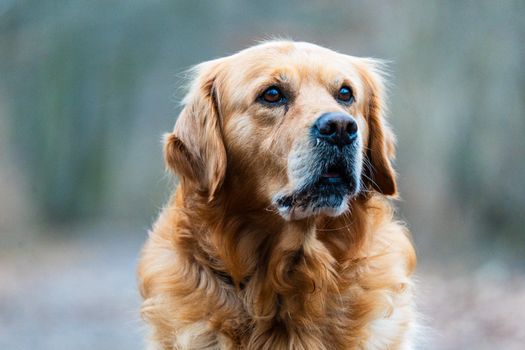
How does the Flat-Coated Retriever differ from a Golden or Labrador Retriever?
How much does it cost to own a Flat-Coated Retriever?
What health problems are Flat-Coated Retrievers prone to?
How much grooming does a Flat-Coated Retriever need?
Are Flat-Coated Retrievers easy to train?
Are Flat-Coated Retrievers good for first-time owners?
How long do Flat-Coated Retrievers live?
Tools for Flat-Coated Retriever owners
Similar breeds to the Flat-Coated Retriever
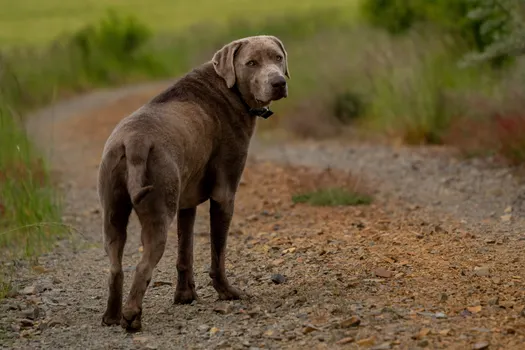
Powerful American water retriever with a waterproof coat, strong loyalty, and a more independent edge than many retrievers.
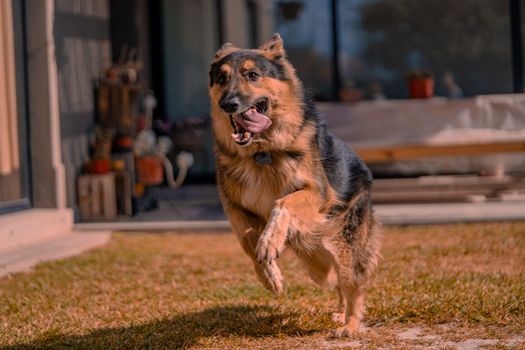
Versatile herding and protection dog known for intelligence and courage; excels in work with steady training.
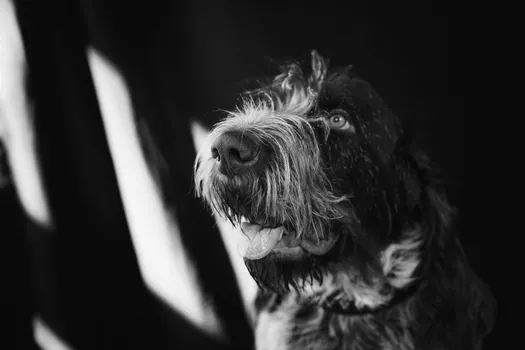
Rugged German gundog with a weatherproof coat, strong hunting drive, and enormous need for outdoor activity.
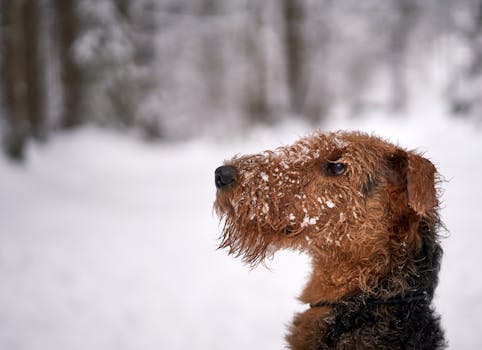
The largest of the terrier breeds; versatile working dog with keen intelligence, stubbornness, and an enthusiastic spirit.

Muscular working and family guard; exuberant and people-loving with a clownish streak.
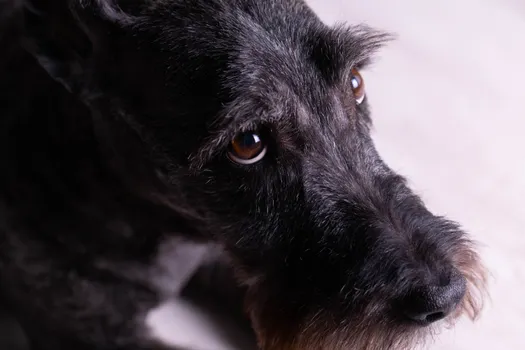
Powerful German working schnauzer: intelligent, loyal, protective, and demanding of structure, training, and serious daily work.
Compare & learn more
Head-to-head comparisons
Relevant guides
Which breed content should PupWiki improve most?
Help improve PupWiki with one quick anonymous answer.
Find my breed match →