
Boxer
Muscular working and family guard; exuberant and people-loving with a clownish streak.

Photo by Alina Skazka on Pexels
Quick facts: Boxer
- Size
- Large
- Weight
- 29.5–36.3 kg
- Origin
- Germany
- Life span
- 10–12 years
- Temperament
- Playful, loyal, alert, spirited
- Energy level
- Very‑high
- Grooming needs
- Low
- Trainability
- Low
- Apartment fit
- Low
- Typical annual cost
- ~$2,700
Is the Boxer right for you?
Best for
- Active families with older children
- Owners with outdoor space for high-energy play
- Those wanting a fun-loving, loyal companion
Not ideal if
- Hot climate regions (brachycephalic heat sensitivity)
- Apartment living without access to vigorous daily exercise
- Owners away for most of the day
A playful, loyal family breed needing vigorous daily exercise and cardiac health awareness.
Trait snapshot
Boxer is part of the Working Group — see group tendencies →
What owners actually say
Boxer owners are among the most devoted — and the most prepared, because the cardiac risks and shorter lifespan shape the relationship from day one.
- Health reality
Adult Boxers should have annual Holter monitoring to detect cardiac arrhythmias before a crisis. Owners who lost a Boxer to sudden cardiac death without prior monitoring describe it as the most preventable loss they could have had. This is not an obscure risk — it is the defining health responsibility of owning a Boxer.
- Health reality
Boxer owners routinely describe meeting a 9-year-old Boxer and realising, with some shock, that their dog is already in its senior years. Understanding that 10–12 years is average — not a worst case — before you get one shapes how you approach the relationship.
- Health reality
Boxer owners learn quickly to monitor skin for new growths and to have them assessed without delay. The breed's elevated mast cell tumour risk means a lump that would be 'watch and wait' in another breed is 'test and know' in a Boxer. Early diagnosis genuinely changes outcomes.
- Energy
Many Boxers stay in an extended puppy phase — bouncing, leaping, and behaving with puppy-level exuberance well into their third year. This is delightful and also physically significant: a large, exuberant dog jumping on people needs consistent boundary training from the start.
- Health reality
Boxers' shortened airways reduce panting efficiency, making heatstroke a real safety concern. Access to air conditioning in summer is genuinely important. Cars, even briefly on warm days, are unsafe for this breed.
- General
Boxer owners consistently describe an unusually strong bond between their dog and family members, particularly children. The affection is enthusiastic, whole-body, and constant. Owners who want a dog that is 'part of everything' consistently describe Boxers as ideal.
Editorial summary based on owner accounts and breed community feedback.
Cost snapshot
Range $1,700–$4,500
Range $2,800–$9,000
After first year
Annual breakdown
Assumptions used:
- Large breed food
- Cardiac screening recommended annually
- Brachycephalic heat sensitivity
Last reviewed: 2026-06-20
Read full methodology →Health watchlist
Health information is educational only. Always consult your veterinarian.
ARVC (Boxer Cardiomyopathy)
Arrhythmogenic right ventricular cardiomyopathy is a breed-specific inherited heart condition. Regular cardiac screening is important. Choose breeders who cardiac-test their stock. Consult your vet for guidance specific to your dog.
Cancer risk
Boxers have above-average cancer rates. Annual wellness exams and routine skin checks are valuable. Consult your vet for guidance specific to your dog.
Brachycephalic heat sensitivity
Short muzzle causes moderate heat sensitivity. Avoid strenuous exercise during hot parts of the day. Consult your vet for guidance specific to your dog.
Bloat/GDV
Deep-chested breed with elevated bloat risk. Feed smaller meals and avoid vigorous exercise after eating. Consult your vet about preventive gastropexy.
Hypothyroidism
Occurs at moderate rates. Routine thyroid screening is recommended, especially if lethargy or weight gain appears. Consult your vet for guidance specific to your dog.
Check your fit
Answer a few questions to see how a Boxer fits your household.
Frequently asked questions
Are Boxers good family dogs?
How much exercise does a Boxer need?
Are Boxers good in hot weather?
Do Boxers have heart problems?
How much does it cost to own a Boxer?
What health problems are Boxers prone to?
How much grooming does a Boxer need?
Are Boxers easy to train?
Are Boxers good apartment dogs?
Are Boxers good for first-time owners?
Tools for Boxer owners
Similar breeds to the Boxer
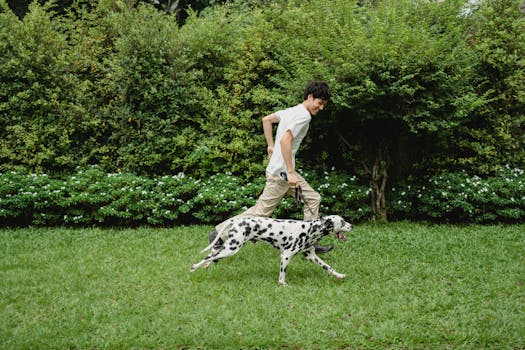
Iconic spotted carriage dog with very high endurance and energy; athletic and loyal but not suitable for sedentary households, first-time owners, or apartment living.

Powerful protection and working breed; highly intelligent, loyal, and among the most trainable dogs when given structure.

Powerful American water retriever with a waterproof coat, strong loyalty, and a more independent edge than many retrievers.

Exuberant and people-oriented gundog; the breed's defining characteristic is its lifelong youthful enthusiasm — and an elevated cancer risk requiring owner awareness.
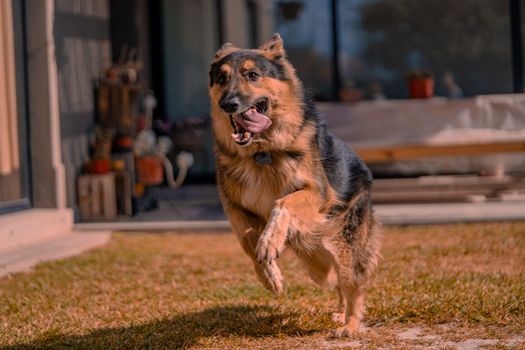
Versatile herding and protection dog known for intelligence and courage; excels in work with steady training.
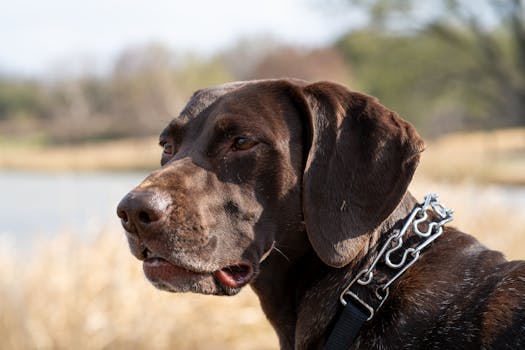
Versatile German gun dog built for endurance and athleticism; friendly, eager-to-please, and excellent with active families — but one of the highest-energy breeds in existence and a poor match for sedentary households.
Compare & learn more
Head-to-head comparisons

Relevant guides
Where are you in your breed decision?
Help improve PupWiki with one quick anonymous answer.
Compare breeds →