
German Wirehaired Pointer
Rugged German gundog with a weatherproof coat, strong hunting drive, and enormous need for outdoor activity.
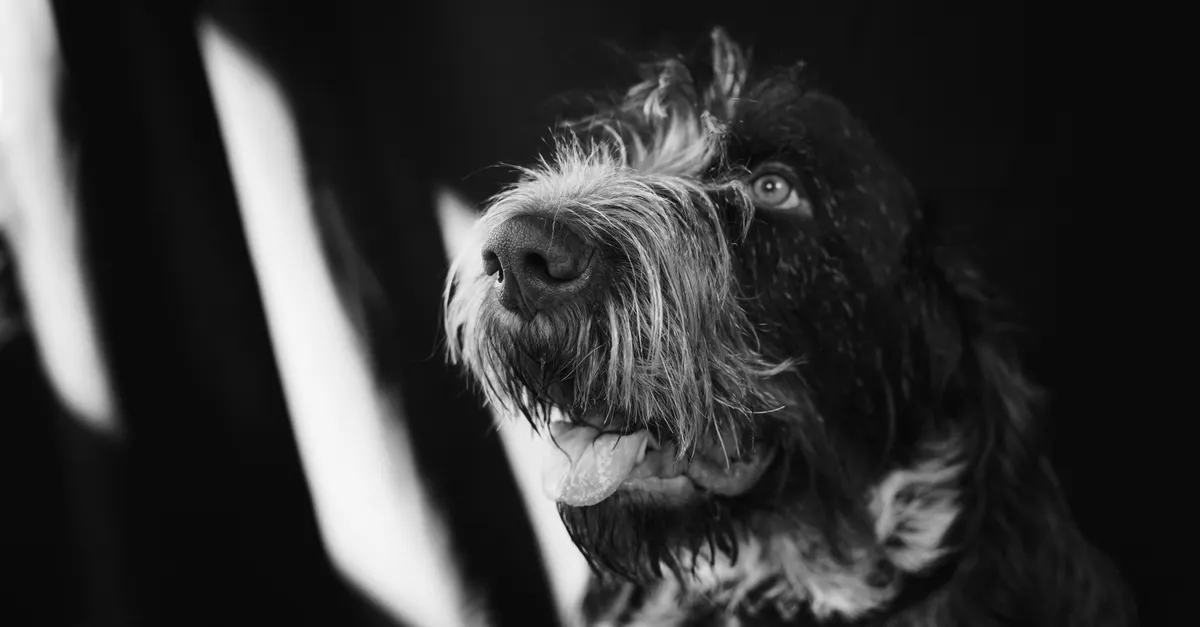
Photo by Andreas Schnabl on Pexels
Quick facts: German Wirehaired Pointer
- Size
- Large
- Weight
- 22.7–31.8 kg
- Origin
- Germany
- Life span
- 14–16 years
- Temperament
- Affectionate, eager, determined, athletic
- Energy level
- Very‑high
- Grooming needs
- Medium
- Trainability
- Medium
- Apartment fit
- Very‑low
- Typical annual cost
- ~$2,600
Is the German Wirehaired Pointer right for you?
Best for
- Hunters and field-sport homes
- Very active families with outdoor routines
- Owners who enjoy training, tracking, running, hiking, or scent work
- Rural or suburban homes with secure exercise options
Not ideal if
- You want a calm low-exercise companion
- You live in a small apartment without daily outdoor outlets
- You have cats or small pets and cannot manage prey drive
- You dislike mud, beard cleaning, or vigorous young-dog behaviour
A serious all-weather sporting dog for active outdoor owners, not a decorative wire-coated family pet.
Trait snapshot
German Wirehaired Pointer is part of the Sporting Group — see group tendencies →
What owners actually say
German Wirehaired Pointer owners admire the stamina and loyalty, but the breed's field drive, mud, prey drive, and exercise load are the whole ownership story.
- Energy
This is a very high-output sporting dog. Owners who hunt, hike, run, train, or do scent work are much happier than casual walkers.
- General
At home they can be affectionate and funny, but only after their body and brain have had enough work.
- Grooming
The coat is practical, but beard cleaning, burr removal, mud, and outdoor debris are recurring realities.
- Training
Trainability is strong when work feels purposeful. Repetition without a job can create resistance or restlessness.
- Apartment life
Apartments are a poor fit for most individuals because the breed needs outdoor outlets and can be too intense in small spaces.
- Health reality
Ear care, orthopedic fitness, and bloat awareness are practical health topics active owners need to take seriously.
Editorial owner-reality summary based on breed traits, reputable breed-source patterns, and common owner-reported friction points. Phase 3 can replace or augment this with structured PupWiki owner survey data.
Cost snapshot
Range $1,500–$4,700
Range $2,800–$9,000
After first year
Annual breakdown
Assumptions used:
- Large active-dog food volume
- Training, travel, and field-sport costs may be relevant
- Grooming is moderate but coat/beard maintenance is ongoing
- Orthopedic and eye screening matter
Last reviewed: 2026-07-02
Read full methodology →Health watchlist
Health information is educational only. Always consult your veterinarian.
Hip and elbow dysplasia
Athletic sporting dogs should come from screened parents. Keep body condition lean and build fitness gradually.
Eye disease
Eye screening is a common responsible-breeding practice. Squinting, redness, cloudiness, or vision changes should be evaluated.
Bloat/GDV
As a deep-chested active breed, the German Wirehaired Pointer can face bloat risk. Learn emergency signs and discuss feeding routines with your vet.
Ear infections
Outdoor swimming, field work, and drop ears can contribute to ear problems. Regular checks and veterinary treatment for odor, redness, or head shaking are important.
Check your fit
Answer a few questions to see how a German Wirehaired Pointer fits your household.
Frequently asked questions
Are German Wirehaired Pointers good family dogs?
How much exercise does a German Wirehaired Pointer need?
Can German Wirehaired Pointers live in apartments?
Do German Wirehaired Pointers shed?
Are German Wirehaired Pointers easy to train?
Are they good with cats?
What health conditions should German Wirehaired Pointer owners monitor?
How long do German Wirehaired Pointers live?
Tools for German Wirehaired Pointer owners
Similar breeds to the German Wirehaired Pointer
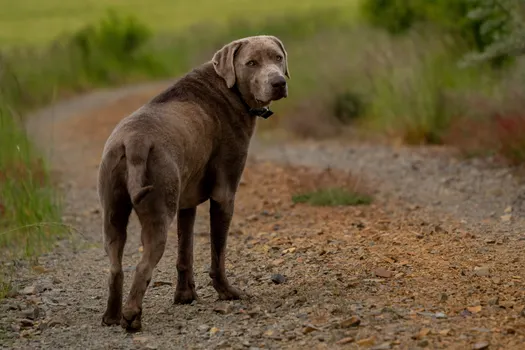
Powerful American water retriever with a waterproof coat, strong loyalty, and a more independent edge than many retrievers.
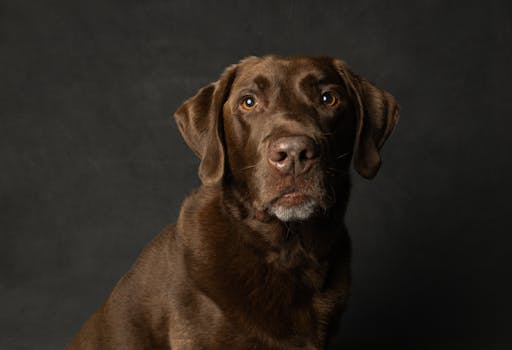
Exuberant and people-oriented gundog; the breed's defining characteristic is its lifelong youthful enthusiasm — and an elevated cancer risk requiring owner awareness.
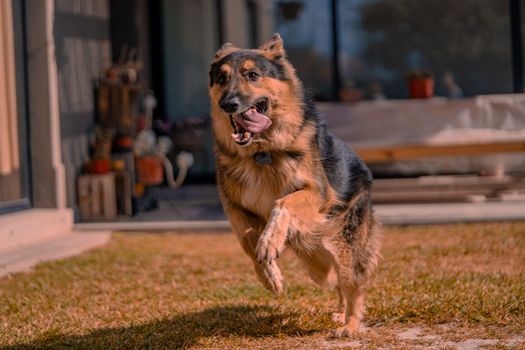
Versatile herding and protection dog known for intelligence and courage; excels in work with steady training.
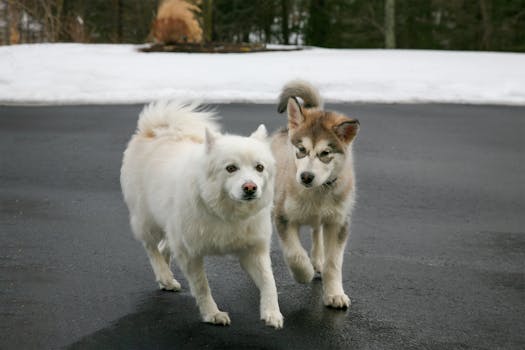
Powerful Arctic working dog bred to haul heavy loads across frozen terrain; affectionate and playful, but headstrong, a heavy shedder, and genuinely dangerous in hot climates — experienced ownership is essential.
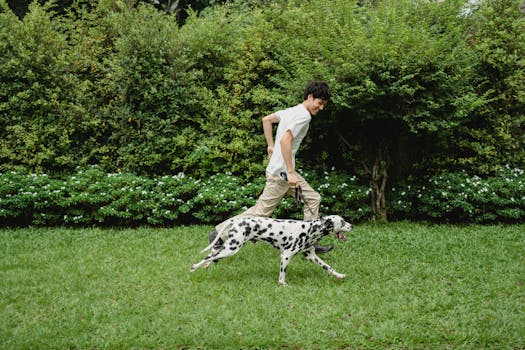
Iconic spotted carriage dog with very high endurance and energy; athletic and loyal but not suitable for sedentary households, first-time owners, or apartment living.
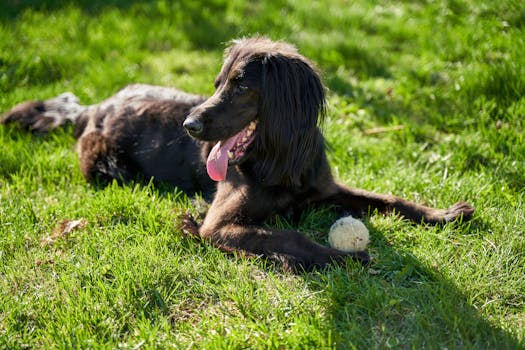
Exuberant, athletic sporting dog with a stunning mahogany coat; requires extensive daily exercise and consistent training to channel high energy.
Compare & learn more
Relevant guides
Would you consider an adult dog instead of a puppy?
Help improve PupWiki with one quick anonymous answer.
Find my breed match →