
Giant Schnauzer
Powerful German working schnauzer: intelligent, loyal, protective, and demanding of structure, training, and serious daily work.
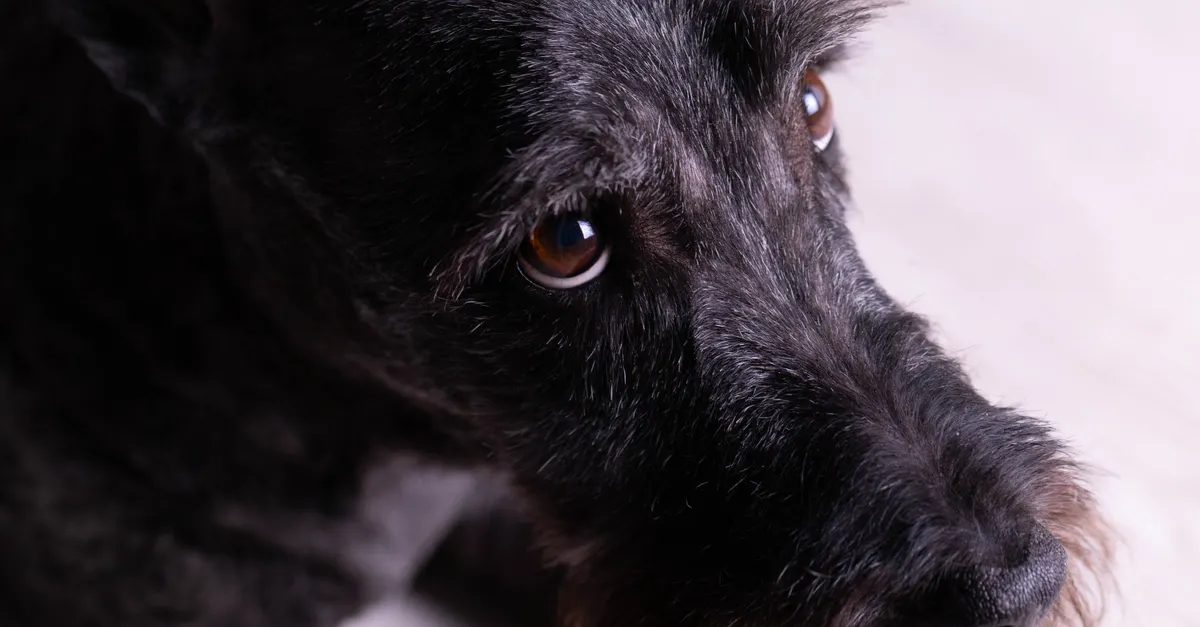
Photo by Mariia Stepanova on Pexels
Quick facts: Giant Schnauzer
- Size
- Large
- Weight
- 25–38.6 kg
- Origin
- Germany
- Life span
- 12–15 years
- Temperament
- Loyal, alert, trainable, bold, protective
- Energy level
- Very‑high
- Grooming needs
- High
- Trainability
- Medium
- Apartment fit
- Low
- Typical annual cost
- ~$3,000
Is the Giant Schnauzer right for you?
Best for
- Experienced owners who enjoy training and structure
- Active households interested in obedience, protection sports, scent work, or demanding exercise
- Homes with secure space and clear rules
- People wanting a loyal guardian-type companion with high trainability
Not ideal if
- You are a first-time owner wanting an easy family dog
- You cannot provide daily physical and mental work
- You want a low-grooming coat
- You live in a small apartment and cannot manage size, barking, and guarding instincts
A serious working companion for experienced active owners, not a casual giant house dog.
Trait snapshot
Giant Schnauzer is part of the Working Group — see group tendencies →
What owners actually say
Giant Schnauzer owners value loyalty and intelligence, but repeatedly warn that this is a serious working breed, not a casual large pet.
- Energy
Daily exercise alone is not enough; owners emphasise mental work, training, and jobs as essential.
- Training
Highly trainable with the right handler, but pushy and difficult if boundaries are inconsistent. Professional training is common.
- Barking
Alertness and guarding instincts are strong. Poor socialisation can turn into reactivity or over-protection.
- Grooming
The coat is lower-shedding but not low-effort: beard care, clipping/stripping, and regular maintenance are expected.
- Apartment life
Some experienced owners manage them in urban settings, but most owner accounts point to space, structure, and outlets as major requirements.
- General
In the right hands, owners describe them as deeply loyal, impressive, funny, and intensely connected to their people.
Editorial summary based on owner accounts and breed community feedback. Phase 3 can replace or enrich this with structured PupWiki owner survey data.
Cost snapshot
Range $1,700–$5,600
Range $3,000–$10,500
After first year
Annual breakdown
Assumptions used:
- Large food volume
- Professional grooming or regular clipping/stripping
- Training classes are strongly recommended
- Potential orthopedic, bloat, and working-breed health screening costs
Last reviewed: 2026-07-02
Read full methodology →Health watchlist
Health information is educational only. Always consult your veterinarian.
Hip and elbow dysplasia
Large active working dogs should come from screened parents. Keep puppies lean, avoid forced repetitive exercise, and monitor for stiffness or lameness.
Bloat/GDV
Large, deep-bodied dogs can be at risk for gastric dilation-volvulus. Feed sensible meal patterns and discuss emergency signs and preventive gastropexy with your vet.
Eye and thyroid screening
Ask breeders about eye and thyroid health screening. Subtle changes in energy, skin, coat, or vision deserve veterinary follow-up.
Behavioural risk from under-stimulation
A bored Giant Schnauzer can become pushy, reactive, destructive, or difficult to control. Training and enrichment are safety requirements, not optional extras.
Check your fit
Answer a few questions to see how a Giant Schnauzer fits your household.
Frequently asked questions
Are Giant Schnauzers good family dogs?
Are Giant Schnauzers suitable for first-time owners?
How much exercise does a Giant Schnauzer need?
Do Giant Schnauzers shed?
Can Giant Schnauzers live in apartments?
Are Giant Schnauzers protective?
What health issues should owners watch for?
Tools for Giant Schnauzer owners
Similar breeds to the Giant Schnauzer
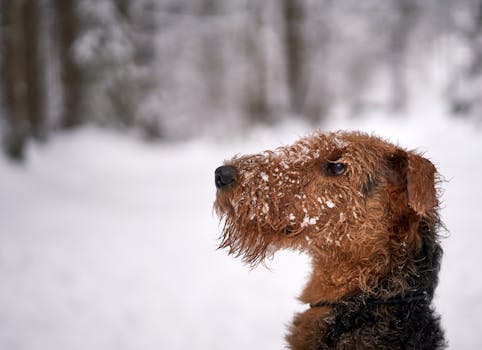
The largest of the terrier breeds; versatile working dog with keen intelligence, stubbornness, and an enthusiastic spirit.
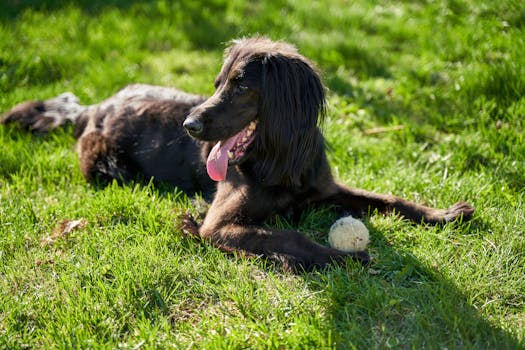
Exuberant, athletic sporting dog with a stunning mahogany coat; requires extensive daily exercise and consistent training to channel high energy.
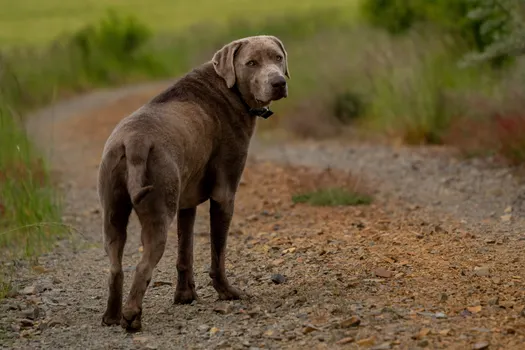
Powerful American water retriever with a waterproof coat, strong loyalty, and a more independent edge than many retrievers.
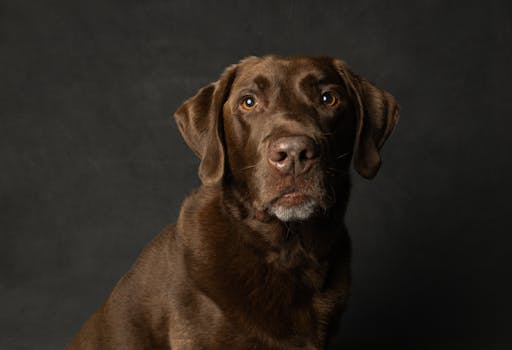
Exuberant and people-oriented gundog; the breed's defining characteristic is its lifelong youthful enthusiasm — and an elevated cancer risk requiring owner awareness.
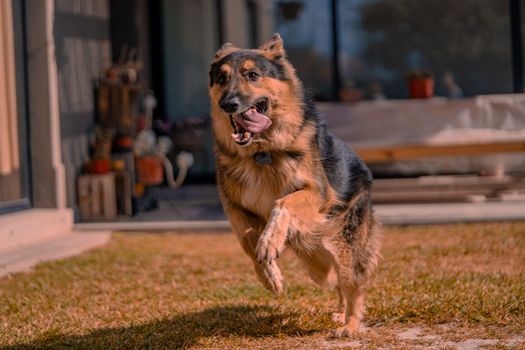
Versatile herding and protection dog known for intelligence and courage; excels in work with steady training.
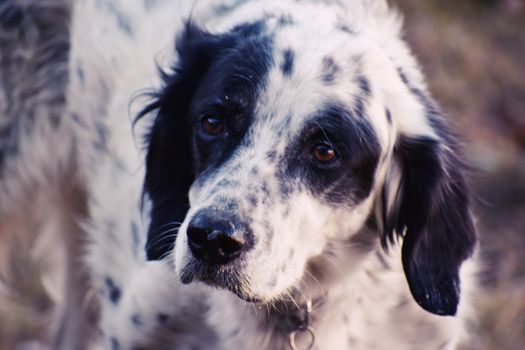
Elegant, gentle sporting dog with distinctive speckled coat; energetic and affectionate but requires significant daily exercise and regular coat maintenance.
Compare & learn more
Would you consider an adult dog instead of a puppy?
Help improve PupWiki with one quick anonymous answer.
Find my breed match →