
Airedale Terrier
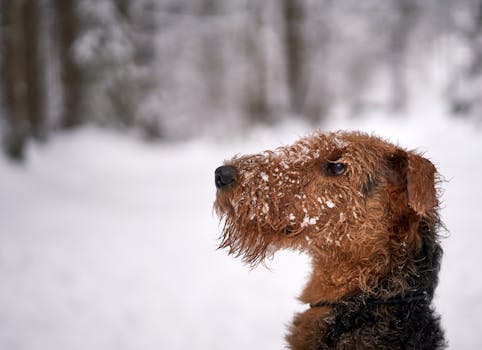
The largest of the terrier breeds; versatile working dog with keen intelligence, stubbornness, and an enthusiastic spirit.
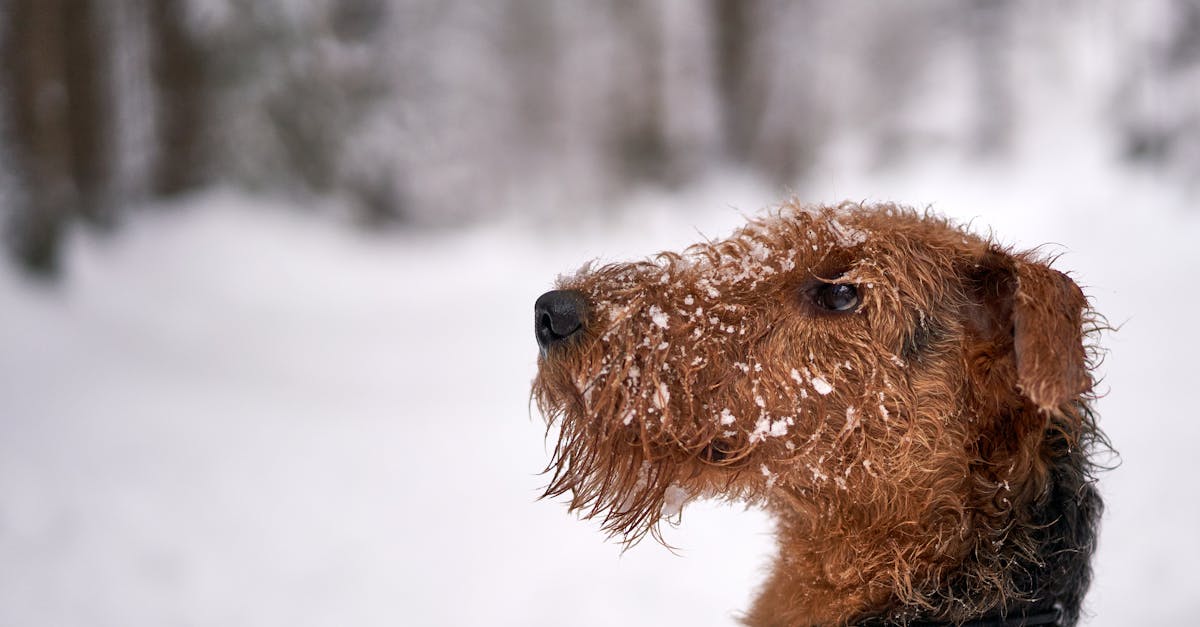
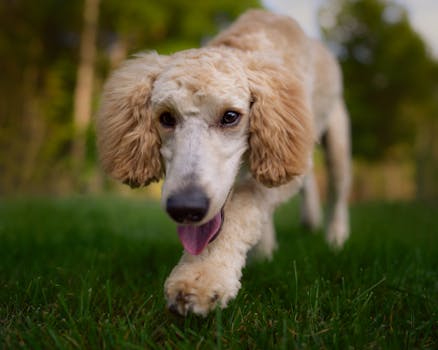
Photo by Barnabas Davoti on Pexels
Quick facts: Airedale Terrier
- Size
- Large
- Weight
- 22.7–29.5 kg
- Origin
- England (Aire Valley, Yorkshire)
- Life span
- 11–14 years
- Temperament
- Intelligent, courageous, playful, stubborn
- Energy level
- Very‑high
- Grooming needs
- High
- Trainability
- Medium
- Apartment fit
- Low
- Typical annual cost
- ~$2,700
Is the Airedale Terrier right for you?
Best for
- Active owners with terrier experience or willingness to learn
- Families with older children who enjoy robust play
- Owners who want a capable, confident working-type dog
Not ideal if
- First-time owners expecting easy compliance
- Owners who cannot provide vigorous daily exercise
- Those wanting a dog content to be left alone for long periods
An athletic, versatile terrier for active owners who appreciate intelligence and humor; requires consistent training to channel terrier stubbornness.
Trait snapshot
Airedale Terrier is part of the Terrier Group — see group tendencies →
What owners actually say
Airedale Terrier owners describe a spirited, intelligent, and fiercely loyal companion — and are consistent that the breed's terrier independence requires a confident, patient handler with a sense of humour.
- Training
Intelligent but selectively cooperative. Owners describe a dog that clearly understands commands and chooses whether to comply based on what it considers worthwhile. Positive reinforcement with high-value rewards and short, engaging sessions work well. Repetitive, drill-style training is described as counterproductive — the Airedale loses interest rapidly.
- General
High energy with a strong independent streak rooted in terrier working heritage. Owners describe a dog that is never fully 'off' — always scanning, always interested in what is happening, always looking for something to do. This is described as engaging or exhausting depending on how well the exercise and mental stimulation needs are met.
- General
Deeply loyal to family with a strong protective instinct. Owners describe a dog that is notably affectionate with known people and appropriately cautious with strangers. Early socialisation is described as important for preventing this natural wariness becoming problematic.
- Grooming
The wiry double coat requires hand-stripping to maintain correctly — a time-intensive process that most owners outsource to a specialist groomer. Clipping instead of stripping softens the coat texture over time. Professional grooming every 8–12 weeks is a realistic expectation.
- Health reality
Skin and allergy issues appear in the breed more commonly than owners expect. Owners describe food sensitivity, environmental allergies, and itching as recurring concerns that often require veterinary dietary investigation. The wiry coat can mask early skin changes.
Editorial summary. Phase 3 will add structured owner survey data.
Cost snapshot
Range $1,700–$4,500
Range $2,800–$9,000
After first year
Annual breakdown
Assumptions used:
- Professional hand-stripping or clipping every 8-12 weeks
- Large-breed-adjacent food costs despite terrier classification
- Active breed — budget for training classes and mental enrichment tools
Last reviewed: 2026-06-20
Read full methodology →Health watchlist
Health information is educational only. Always consult your veterinarian.
Hip dysplasia
Lower incidence than many large breeds but worth checking with breeding stock. Ask breeders for OFA screening results on both parents. Maintaining healthy weight throughout life supports joint health. Consult your vet for guidance specific to your dog.
Skin conditions and allergies
Terrier breeds are prone to skin allergies and dermatitis. Environmental and food allergies can present as itching, coat changes, or recurring skin infections. Regular coat checks and a quality diet support skin health. Consult your vet for guidance specific to your dog.
Bloat (GDV)
Airedales have a moderately deep chest that carries some bloat risk, though lower than giant deep-chested breeds. Avoid large meals immediately before or after vigorous exercise. Know the warning signs and treat as an emergency. Consult your vet for guidance specific to your dog.
Hypothyroidism
Occurs at moderate rates in the breed. Routine blood work can catch it early. Consult your vet for guidance specific to your dog.
Cardiac concerns
Dilated cardiomyopathy has been reported. Annual cardiac screening is recommended for older dogs. Consult your vet for guidance specific to your dog.
Check your fit
Answer a few questions to see how a Airedale Terrier fits your household.
Frequently asked questions
Are Airedale Terriers hard to train?
Do Airedale Terriers need professional grooming?
How much exercise does an Airedale Terrier need?
Are Airedale Terriers good with children?
How much does it cost to own a Airedale Terrier?
What health problems are Airedale Terriers prone to?
Are Airedale Terriers good apartment dogs?
Are Airedale Terriers good for first-time owners?
How long do Airedale Terriers live?
Tools for Airedale Terrier owners
Similar breeds to the Airedale Terrier
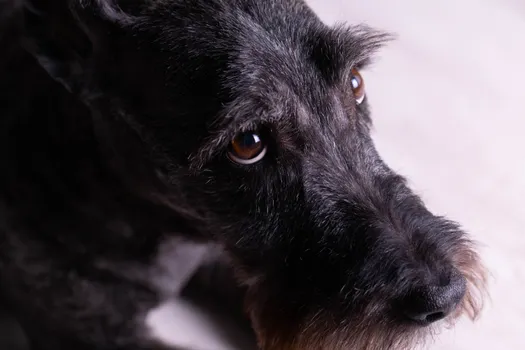
Powerful German working schnauzer: intelligent, loyal, protective, and demanding of structure, training, and serious daily work.
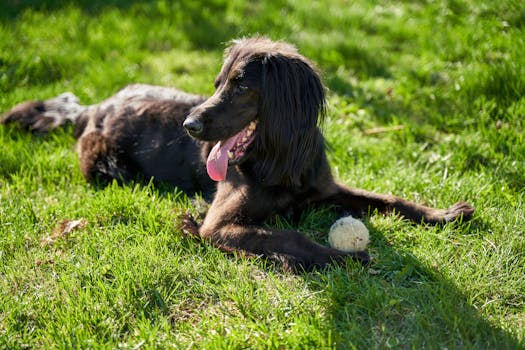
Exuberant, athletic sporting dog with a stunning mahogany coat; requires extensive daily exercise and consistent training to channel high energy.
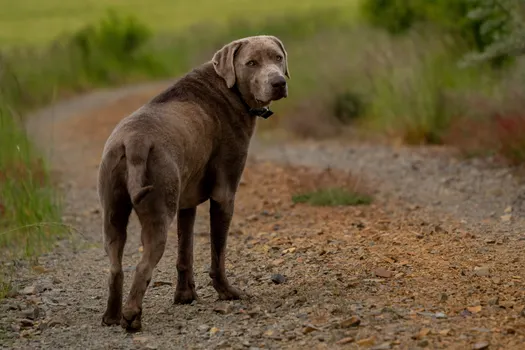
Powerful American water retriever with a waterproof coat, strong loyalty, and a more independent edge than many retrievers.
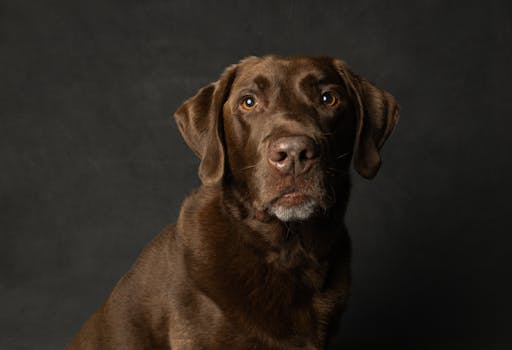
Exuberant and people-oriented gundog; the breed's defining characteristic is its lifelong youthful enthusiasm — and an elevated cancer risk requiring owner awareness.
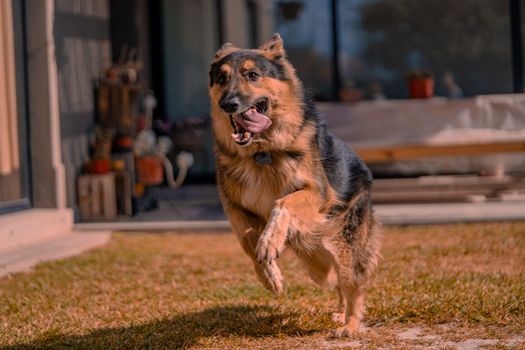
Versatile herding and protection dog known for intelligence and courage; excels in work with steady training.
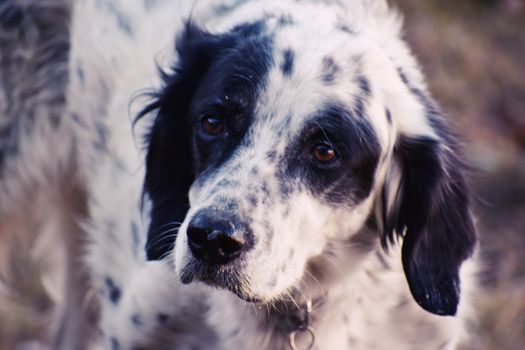
Elegant, gentle sporting dog with distinctive speckled coat; energetic and affectionate but requires significant daily exercise and regular coat maintenance.
Compare & learn more
Head-to-head comparisons
Which breed content should PupWiki improve most?
Help improve PupWiki with one quick anonymous answer.
Find my breed match →