
Maltipoo
Popular Maltese-Poodle designer mix; low-shedding, affectionate, and apartment-friendly — but coat, temperament, and health vary significantly between individuals due to hybrid genetics.
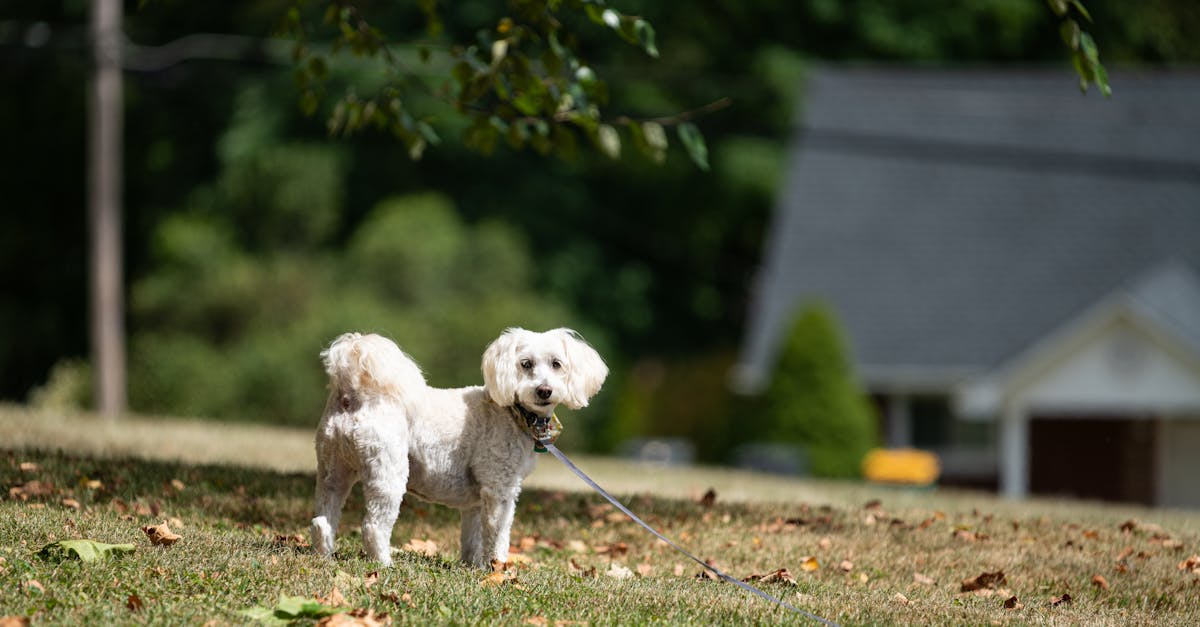
Quick facts: Maltipoo
- Size
- Small
- Weight
- 0.9–3.2 kg
- Origin
- United States (designer cross)
- Life span
- 13–16 years
- Temperament
- Affectionate, gentle, playful, social
- Energy level
- Medium
- Grooming needs
- High
- Trainability
- Low
- Apartment fit
- Very‑high
- Typical annual cost
- ~$1,900
Is the Maltipoo right for you?
Best for
- Apartment dwellers wanting a low-shedding, sociable small companion
- First-time owners looking for a trainable, gentle small breed
- Households without very young children
Not ideal if
- Those expecting consistent coat or temperament (F1 hybrids vary widely)
- Owners wanting a breed with a well-established, predictable health profile
- Those unable to manage regular professional grooming
- Households with toddlers (tiny dogs can be fragile)
A popular apartment companion with low shedding and friendly temperament — research the specific cross generation and breeder carefully, as trait consistency varies more than in purebreds.
Trait snapshot
What owners actually say
Maltipoo owners describe charming, affectionate companions — and consistently note that hybrid trait consistency varies much more than with purebreds.
- General
Affectionate and sociable. Owners describe a dog that wants to be involved in everything and bonds very strongly. Many describe the breed as a perfect lap dog that is also active enough to be interesting.
- Shedding
Low shedding is the most commonly cited advantage. Owners from allergy-sensitive households describe successful experiences, though individual dogs vary. F1B litters (75% Poodle) tend to shed less than F1.
- Grooming
Professional grooming every 6-8 weeks is required for most coat types. Owners describe this as a significant ongoing cost that is often underestimated before purchase.
- Health reality
Dental disease is a consistent issue. Owners describe starting dental care early as essential. Small jaw crowding means teeth problems develop faster than owners expect.
- Training
More trainable than either parent alone, according to many owners. They respond well to positive reinforcement and enjoy learning. Early training while small makes management much easier as they mature.
Editorial summary. Phase 3 will add structured owner survey data.
Cost snapshot
Range $1,100–$3,200
Range $2,200–$6,500
After first year
Annual breakdown
Assumptions used:
- Professional grooming every 6–8 weeks required
- Dental care costs ongoing from early age
- Designer breed prices are often higher than purebreds without the health testing foundation — vet parent health certificates before buying
Last reviewed: 2026-06-20
Read full methodology →Health watchlist
Health information is educational only. Always consult your veterinarian.
Dental disease
Very small dogs are prone to dental overcrowding and early dental disease. Daily brushing and regular professional cleanings from a young age are important. Consult your vet.
Patellar luxation
Common in small breeds and both parent breeds. OFA patellar examination is available. Ask breeders about parent health testing. Consult your vet.
Progressive Retinal Atrophy (PRA)
Inherited from both parent breeds. DNA testing of parent dogs (ideally both Maltese and Poodle parents) is available and should be requested from responsible breeders. Consult your vet.
Epilepsy
Can be inherited from the Poodle side. Learn to recognise seizure signs. Consult your vet for guidance specific to your dog.
Check your fit
Answer a few questions to see how a Maltipoo fits your household.
Frequently asked questions
Is a Maltipoo hypoallergenic?
What are the differences between F1, F1B, and F2 Maltipoos?
Are Maltipoos good with children?
How long do Maltipoos live?
How much does it cost to own a Maltipoo?
What health problems are Maltipoos prone to?
How much grooming does a Maltipoo need?
Are Maltipoos easy to train?
Are Maltipoos good apartment dogs?
Are Maltipoos good for first-time owners?
Tools for Maltipoo owners
Similar breeds to the Maltipoo
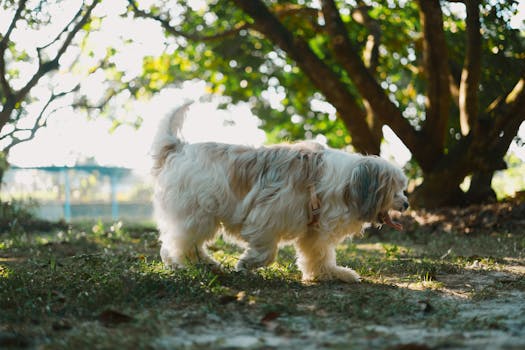
Cuba's national dog — a small, cheerful companion with a silky coat, low shedding, and exceptional adaptability to urban and apartment life.
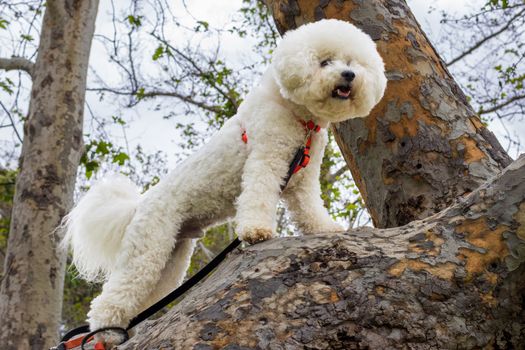
Small, curly-coated companion dog; cheerful, low-shedding, and highly sociable, but requiring intensive grooming and prone to separation anxiety.

Small Madagascar companion with a cottony coat, cheerful temperament, and strong desire to stay close to its people.
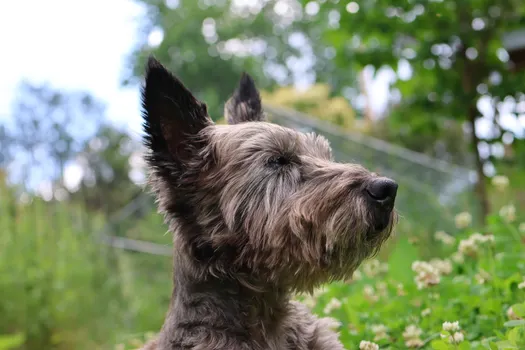
Compact, dignified terrier from Scotland with a bold “Diehard” personality, wiry coat, and independent watchdog streak.
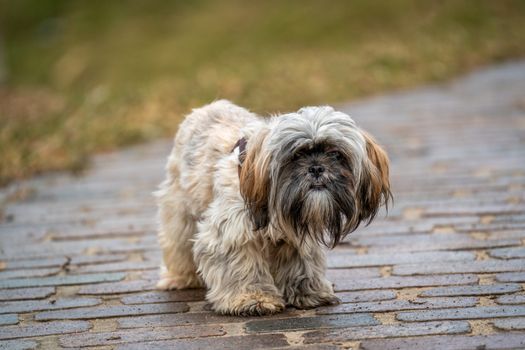
Regal Chinese lap dog bred for palace life; affectionate, sturdy, and highly adaptable to apartment living with demanding coat care.

Aristocratic toy spaniel; gentle, affectionate, and deeply devoted to people with serious cardiac health considerations.
Compare & learn more
Head-to-head comparisons
Would you choose a breed with higher grooming needs?
Help improve PupWiki with one quick anonymous answer.
Find my breed match →