
Shih Tzu
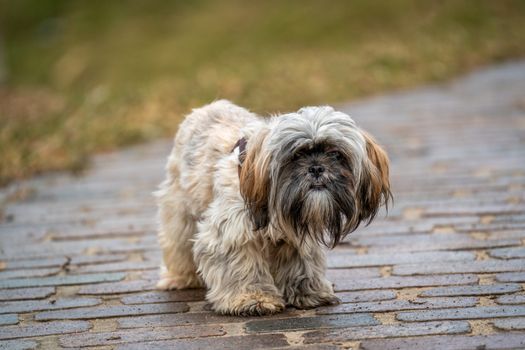
Regal Chinese lap dog bred for palace life; affectionate, sturdy, and highly adaptable to apartment living with demanding coat care.
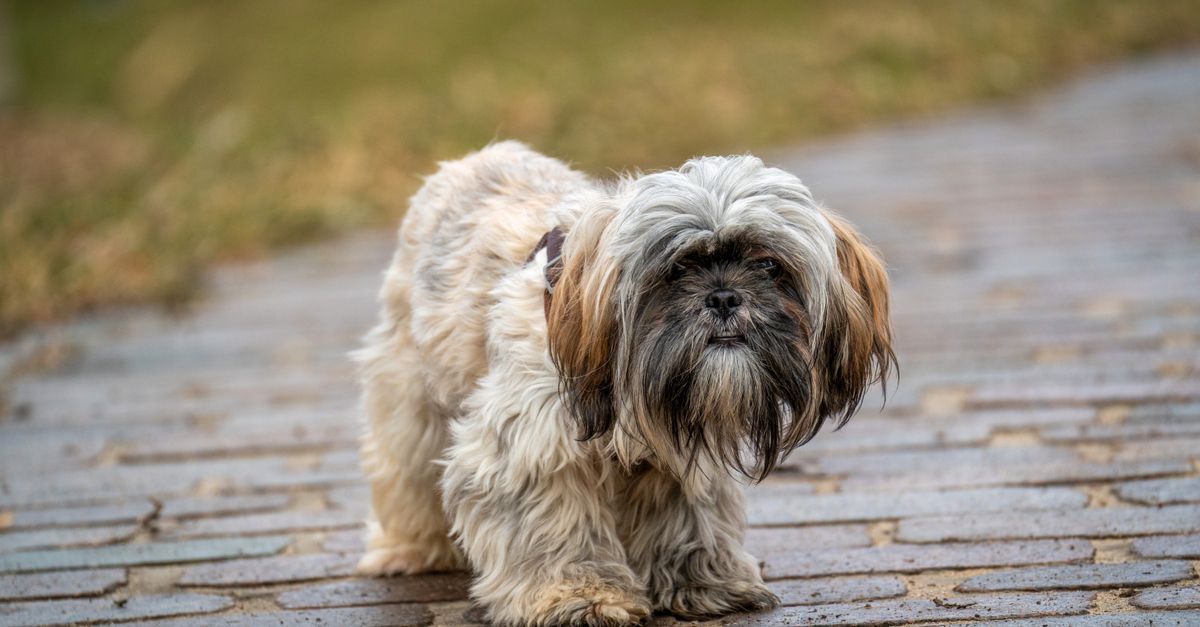
Photo by Gundula Vogel on Pexels
Quick facts: Shih Tzu
- Size
- Small
- Weight
- 4.1–7.3 kg
- Origin
- China
- Life span
- 10–16 years
- Temperament
- Affectionate, lively, playful, loyal
- Energy level
- Medium
- Grooming needs
- Very‑high
- Trainability
- Medium
- Apartment fit
- Very‑high
- Typical annual cost
- ~$1,900
Is the Shih Tzu right for you?
Best for
- Apartment and small-space residents
- Owners who work from home or are frequently present
- Families with considerate children
- Those comfortable with regular professional grooming
Not ideal if
- Owners away for long hours daily
- Those unwilling to budget for professional grooming
- Very hot climate regions (brachycephalic sensitivity)
A devoted, apartment-perfect companion — ideal for owners who can commit to significant grooming and close companionship.
Trait snapshot
Shih Tzu is part of the Toy Group — see group tendencies →
What owners actually say
Shih Tzus are affectionate, adaptable companions — but their coat requires a genuine commitment to grooming, and owners often underestimate the cost and time involved.
- Grooming
The long double coat requires professional grooming every 6–8 weeks regardless of whether owners keep the show coat or a shorter puppy clip. Costs run $60–$100 per visit. Daily brushing is needed with full coats to prevent painful matting. Owners who choose the puppy clip describe it as the more practical lifestyle choice.
- Health reality
Eye issues are common — corneal ulcers, entropion, and chronic discharge due to the shallow eye sockets and prominent eyes. Eye cleaning is a daily routine requirement. Owners who are not prepared for this level of facial maintenance find it unexpectedly time-consuming.
- Apartment life
One of the better large-city apartment breeds. Exercise needs are modest — short daily walks are sufficient. They are not excessive barkers compared to other small breeds, and their size makes them practical in small spaces. Several city-based owners describe the Shih Tzu as their ideal urban companion.
- Training
Trainable but independent. Shih Tzus were bred as companion dogs, not working dogs, and their motivation for obedience work is lower than many breeds. Consistent, positive training with treats works well; harsh corrections backfire. Basic manners come with patience; advanced commands require more persistence.
- Alone time
Shih Tzus are people-oriented and handle moderate alone time better than many small breeds — most owners report 4–6 hours is fine with adequate exercise and enrichment. Extended isolation without mental stimulation leads to vocal distress and destructive behaviour.
- General
Adaptable across household types: works for older owners, apartment dwellers, families, and first-time owners. The personality is warm and low-drama. The primary commitment is grooming — owners who are fully prepared for that describe the Shih Tzu as one of the most rewarding small breeds.
Editorial summary based on owner accounts and breed community feedback.
Cost snapshot
Range $1,100–$3,200
Range $2,200–$6,500
After first year
Annual breakdown
Assumptions used:
- Small breed food (low volume)
- Professional grooming every 4-6 weeks — higher grooming cost than average toy breed
- Eye condition monitoring recommended
Last reviewed: 2026-06-20
Read full methodology →Health watchlist
Health information is educational only. Always consult your veterinarian.
Brachycephalic airway syndrome
The flat face can restrict airflow, particularly in heat or during exercise. Avoid strenuous activity in warm weather. Consult your vet for guidance specific to your dog.
Eye conditions
Prominent eyes are prone to corneal ulcers and dry eye. Regular eye checks and prompt vet attention for any discharge or cloudiness are important. Consult your vet for guidance specific to your dog.
Hip dysplasia
Less common than in larger breeds but does occur. OFA screening by reputable breeders is worthwhile. Consult your vet for guidance specific to your dog.
Dental disease
The small jaw and brachycephalic structure increase dental disease risk. Regular brushing and professional cleanings are essential. Consult your vet for guidance specific to your dog.
Ear infections
Hair growth in the ear canal can trap moisture. Regular ear cleaning and hair plucking are important. Consult your vet for guidance specific to your dog.
Check your fit
Answer a few questions to see how a Shih Tzu fits your household.
Frequently asked questions
Are Shih Tzus good apartment dogs?
How much grooming does a Shih Tzu need?
Are Shih Tzus good with children?
Do Shih Tzus have breathing problems?
How much does it cost to own a Shih Tzu?
What health problems are Shih Tzus prone to?
Are Shih Tzus easy to train?
Are Shih Tzus good for first-time owners?
How long do Shih Tzus live?
Tools for Shih Tzu owners
Similar breeds to the Shih Tzu
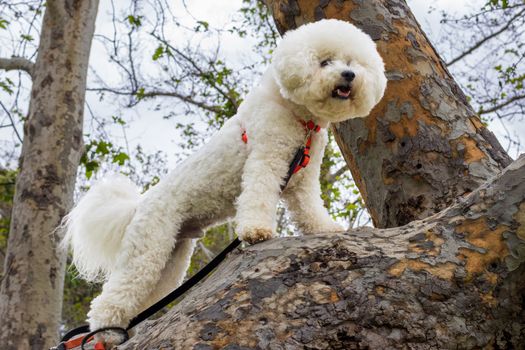
Small, curly-coated companion dog; cheerful, low-shedding, and highly sociable, but requiring intensive grooming and prone to separation anxiety.

Small Madagascar companion with a cottony coat, cheerful temperament, and strong desire to stay close to its people.
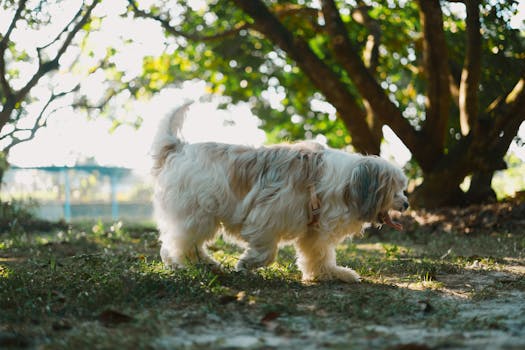
Cuba's national dog — a small, cheerful companion with a silky coat, low shedding, and exceptional adaptability to urban and apartment life.

Ancient Tibetan sentinel companion with a lavish coat, comic personality, and serious watchdog instincts in a small body.
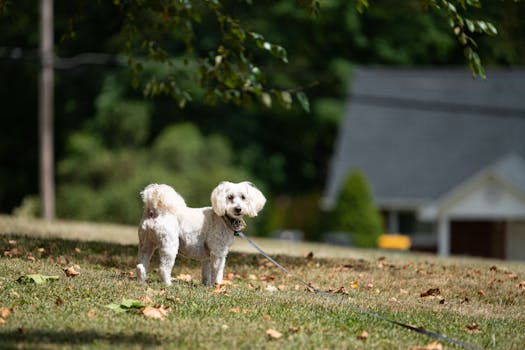
Popular Maltese-Poodle designer mix; low-shedding, affectionate, and apartment-friendly — but coat, temperament, and health vary significantly between individuals due to hybrid genetics.
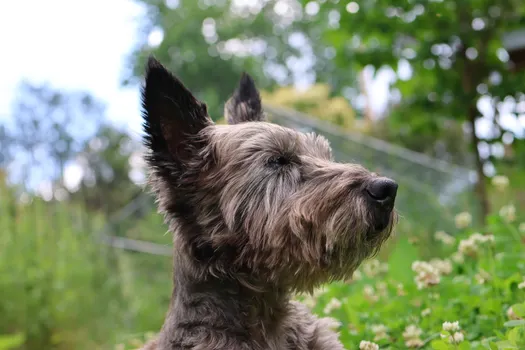
Compact, dignified terrier from Scotland with a bold “Diehard” personality, wiry coat, and independent watchdog streak.
Compare & learn more
Head-to-head comparisons

What is your ideal adult dog size?
Help improve PupWiki with one quick anonymous answer.
Find my breed match →