
Coton de Tulear
Small Madagascar companion with a cottony coat, cheerful temperament, and strong desire to stay close to its people.

Photo by SUNAZ NAZAR on Pexels
Quick facts: Coton de Tulear
- Size
- Small
- Weight
- 3.6–6.8 kg
- Origin
- Madagascar
- Life span
- 15–19 years
- Temperament
- Bright, happy-go-lucky, charming, affectionate
- Energy level
- Medium
- Grooming needs
- Very‑high
- Trainability
- Low
- Apartment fit
- Very‑high
- Typical annual cost
- ~$2,400
Is the Coton de Tulear right for you?
Best for
- Apartment residents
- Families wanting a sturdy small companion
- Owners seeking a low-shedding breed
- People who can provide daily companionship
Not ideal if
- You want a wash-and-wear coat
- You are away for most of the day
- You dislike brushing, mat prevention, or professional grooming
- You want a highly independent dog
A joyful, long-lived companion for owners who want a small social dog and are prepared for coat maintenance.
Trait snapshot
Coton de Tulear is part of the Non-Sporting Group — see group tendencies →
What owners actually say
Coton owners love the cheerful companion temperament and low shedding, but coat care and separation sensitivity are the recurring trade-offs.
- Apartment life
Small size, cheerful personality, and moderate exercise needs make the Coton an excellent apartment candidate.
- Grooming
Owners repeatedly note that the cottony coat is not casual. Brushing, mats, and grooming appointments are part of the budget.
- Alone time
Cotons often want to be with their people. Long workdays may require gradual alone-time training or outside help.
- Training
Generally fun to train because they like interaction, but consistency is still needed for barking and house manners.
- Health reality
Dental care and small-dog orthopedic issues are common practical watch-outs despite the breed's happy personality.
- General
The breed's appeal is its sunny, clownish companionship. Owners looking for an affectionate daily shadow tend to be happiest.
Editorial owner-reality summary based on breed traits, reputable breed-source patterns, and common owner-reported friction points. Phase 3 can replace or augment this with structured PupWiki owner survey data.
Cost snapshot
Range $1,300–$4,200
Range $2,600–$8,500
After first year
Annual breakdown
Assumptions used:
- Small breed food volume
- Professional grooming and coat tools are a major recurring cost
- Long lifespan increases lifetime ownership costs
- Dental care and preventive wellness should be budgeted
Last reviewed: 2026-07-02
Read full methodology →Health watchlist
Health information is educational only. Always consult your veterinarian.
Patellar luxation
Small companion breeds can develop kneecap instability. Keep your Coton lean and ask breeders about orthopedic screening.
Eye health
Inherited or acquired eye issues can affect small breeds. Seek veterinary care for redness, cloudiness, squinting, or vision changes.
Dental disease
Small mouths can accumulate tartar quickly. Daily brushing and routine veterinary dental care are important long-term investments.
Skin and coat matting
The cottony coat can mat close to the skin. Mats can hide irritation and become painful, so consistent brushing matters.
Check your fit
Answer a few questions to see how a Coton de Tulear fits your household.
Frequently asked questions
Are Coton de Tulears good apartment dogs?
Do Coton de Tulears shed?
How much grooming does a Coton de Tulear need?
Are Cotons good with children?
Can Cotons be left alone?
Are Cotons easy to train?
What health problems do Coton de Tulears typically face?
How long do Coton de Tulears live?
Tools for Coton de Tulear owners
Similar breeds to the Coton de Tulear
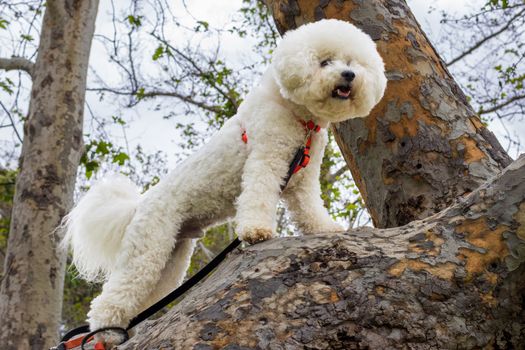
Small, curly-coated companion dog; cheerful, low-shedding, and highly sociable, but requiring intensive grooming and prone to separation anxiety.
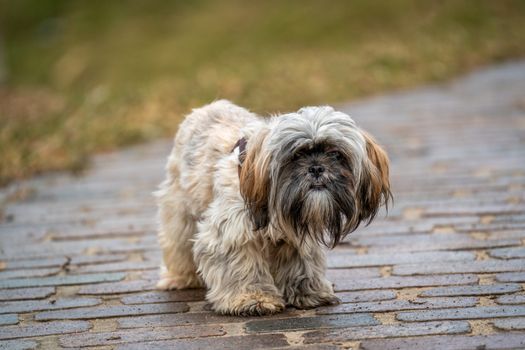
Regal Chinese lap dog bred for palace life; affectionate, sturdy, and highly adaptable to apartment living with demanding coat care.
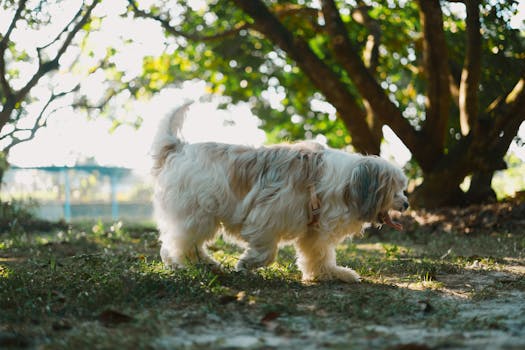
Cuba's national dog — a small, cheerful companion with a silky coat, low shedding, and exceptional adaptability to urban and apartment life.

Ancient Tibetan sentinel companion with a lavish coat, comic personality, and serious watchdog instincts in a small body.

Popular Maltese-Poodle designer mix; low-shedding, affectionate, and apartment-friendly — but coat, temperament, and health vary significantly between individuals due to hybrid genetics.
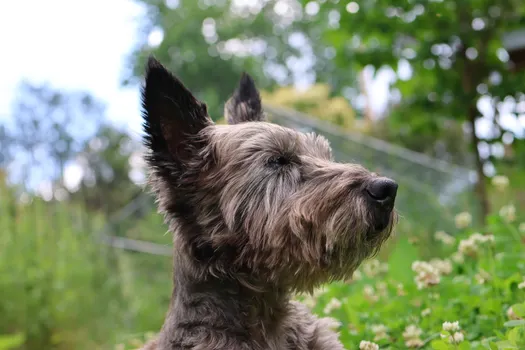
Compact, dignified terrier from Scotland with a bold “Diehard” personality, wiry coat, and independent watchdog streak.
Compare & learn more
After reading this breed page, what are you still unsure about?
Help improve PupWiki with one quick anonymous answer.
Compare breeds →